Your Cart is Empty


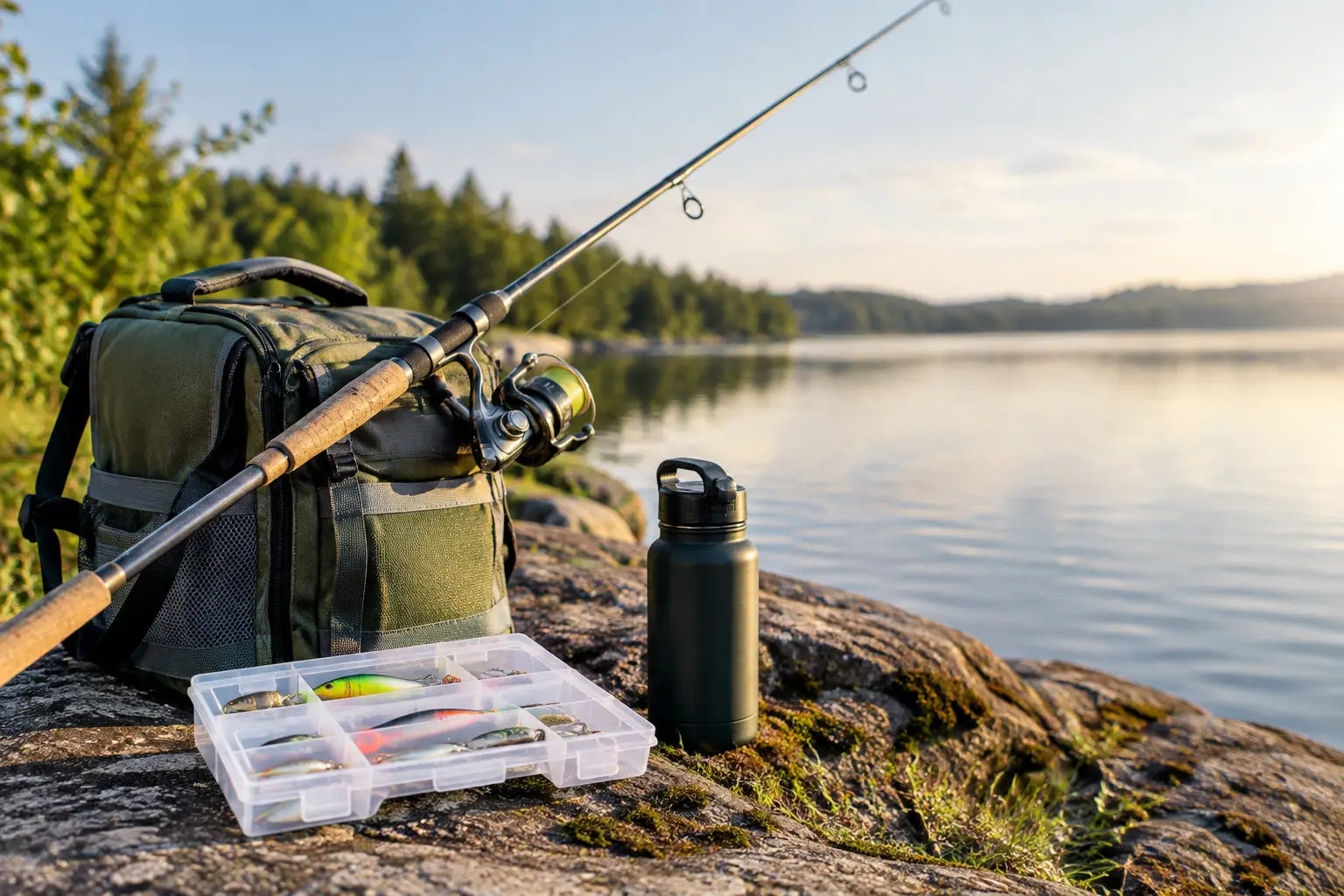

The fastest way to turn a quiet afternoon at the pond into a frustrating one is buying a cart full of fishing gear that does not work together. A smart first time fishing setup is much simpler: one versatile rod and reel, a few proven baits, basic line tools, and the right plan for the water in front of you. Start there, learn what bites locally, and build from experience.
Fishing does not require a boat, a wall of tackle boxes, or tournament-level knowledge. It does require dependable gear, a current fishing license where required, and enough preparation to spend your time casting instead of untangling line. Here is what belongs in a practical beginner kit.
For most new anglers, a spinning rod and reel combo is the right first purchase. It is easy to cast, handles a wide range of freshwater fish, and works well from a bank, dock, kayak, or small boat. Look for a medium-power rod around 6 to 7 feet long with a moderate or fast action. That range has enough flexibility for panfish and trout, while still providing enough backbone for bass, catfish, and similar species.
A 2500- or 3000-size spinning reel is a practical match for that rod. It should feel smooth when you turn the handle, have a reliable drag system, and hold enough line for normal freshwater use. You do not need the biggest reel on the shelf. Oversized gear can make casting tiring and reduce the sensitivity that helps you feel a bite.
For line, 8- to 10-pound monofilament is a forgiving choice. It is affordable, easy to tie, and less likely to create headaches while you are learning. If you expect to fish around heavy weeds, wood, or larger fish, 12-pound monofilament offers more abrasion resistance. Braided line has advantages, especially for strength and sensitivity, but it can be less beginner-friendly and often works best with a separate leader.
Before heading out, fill the spool carefully. Do not overfill it. Leave a small gap below the spool lip, then close the bail by hand after each cast instead of cranking the handle to snap it shut. That simple habit helps prevent line twists and wind knots.
Your first tackle box should create options, not clutter. Pick a few items that solve common fishing situations. Hooks, weights, bobbers, and a handful of bait choices will cover a surprising amount of water.
A useful starter selection includes:
Use a smaller hook than you think you need. Fish can see and feel oversized hardware, especially in clear water. A size 6 hook with a piece of worm is more likely to catch a wide range of fish than a giant hook loaded with bait. The trade-off is that small hooks are harder to handle, so bring pliers and take your time.
For a more active approach, tie on a small spinner or a jig with a soft plastic tail. Cast it past likely fish-holding cover, let it sink briefly, and retrieve it slowly enough for the lure to work. Pause occasionally. Many strikes happen when the lure changes speed or drops.
The water matters as much as the equipment. A neighborhood pond, moving creek, large reservoir, and coastal pier all call for different choices. For a first trip, choose a public pond, lake shoreline, or dock known for accessible fishing. These spots usually offer calmer water and fish that are easier to locate.
Look for shade, weed edges, fallen trees, docks, rocks, and changes in depth. Fish use these areas for cover and food. At a pond, start near the bank rather than casting as far as possible. Bluegill and bass often sit close to structure, especially early and late in the day.
If you are fishing a river or creek, keep your bait near current breaks, such as behind rocks, along slower banks, or below small bends. In moving water, use enough weight to keep your bait from sweeping away too quickly. In clear, slow water, lighten your presentation so it looks more natural.
Saltwater fishing is a different starting point. A pier, jetty, or beach can be a great place to learn, but saltwater species, regulations, line strength, and tackle sizes vary more widely. If that is your goal, ask a local bait shop what is biting and what rig is appropriate for that exact location. Local advice can save a lot of trial and error.
A little driveway practice makes the first cast less intimidating. Thread the line through every guide on the rod, starting at the guide closest to the reel and working toward the tip. Tie on a practice weight or a lure with the hook points covered. Open the bail, hold the line lightly against the rod with your index finger, swing the rod forward, and release your finger as the rod points toward your target.
Casting is about timing, not force. Trying to launch a lure as hard as possible usually sends it into a tree, a dock post, or the water behind you. Begin with short, controlled casts. Aim for open water until you can consistently land near your target.
Learn one dependable knot before learning five. The improved clinch knot is a solid option for attaching hooks, swivels, and many lures. Moisten the knot before pulling it tight, then test it with a firm tug. A poorly tied knot can cost you a fish, but it can also cost you your lure on the first snag.
Set the reel drag before you cast. Pull line from the spool by hand. It should come out with steady resistance, not lock down completely. The drag protects your line when a stronger fish runs. If it is too tight, the line may break. If it is too loose, you may not be able to control the fish.
The rod and tackle get the attention, but a few support items make the trip safer and more comfortable. Pack sunglasses with polarized lenses to cut surface glare and help you see into shallow water. A hat, sunscreen, water, and weather-appropriate layers belong on every warm-weather outing.
Bring a small first-aid kit and keep pliers within reach. Hooks are sharp, fish can flop without warning, and handling a catch is easier when you are prepared. A landing net is helpful if you are fishing from a dock or expect larger fish, though it is not necessary for every first outing.
Check state and local rules before you go. Know whether you need a license, what species are in season, the size and daily catch limits, and whether live bait is allowed. Regulations protect fisheries and can change by waterway. Carry out discarded line, bait containers, and any other trash. Loose fishing line is especially dangerous to birds, turtles, and other wildlife.
When your bobber slides, disappears, or moves sideways, reel until the line is tight and lift the rod with a quick, controlled motion. You do not need a dramatic hook set. Keep the rod tip up, maintain pressure, and let the reel drag do its job if the fish pulls hard.
Wet your hands before touching a fish you plan to release. Dry hands can remove its protective slime coating. Use pliers to remove the hook when possible, and support larger fish horizontally instead of holding them by the jaw or hanging them vertically. If the hook is deeply swallowed, cutting the line close to the hook is often safer than digging for it.
Take only fish that are legal to keep and that you will use. If you plan to bring home dinner, carry a cooler with ice and know how to store the catch safely. If you are releasing fish, keep them out of the water only as long as needed for a quick photo and a careful return.
Your first trip does not need to produce a trophy fish to be a success. Pick one simple spot, bring gear you understand, and spend time watching the water. With a dependable first time fishing setup and a few patient casts, you are already building the skills that make every next trip better. Gear up, get outside, and let the next bite teach you something.