Your Cart is Empty


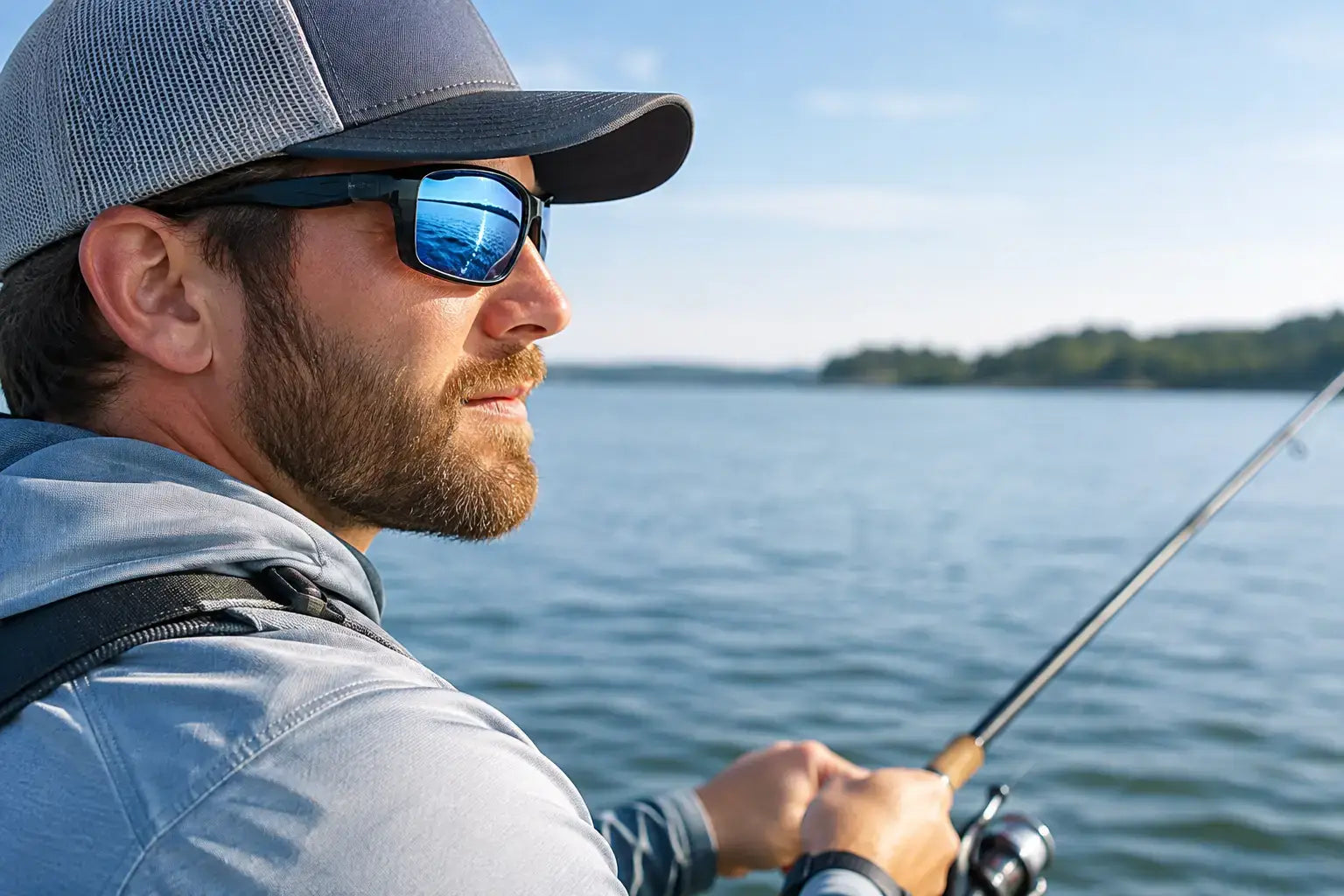

A bright afternoon can turn the water into a moving mirror. You know fish are holding near the grass line, a dock, or a rocky point, but glare hides everything below the surface. That is where anglers start asking: are polarized fishing glasses useful, or are they just another piece of gear to buy?
For most freshwater and saltwater anglers, they are genuinely useful. Polarized lenses reduce reflected glare from the water’s surface, making it easier to see into the water, read changing conditions, and protect your eyes during long days outside. They will not make fish appear where there are none, but they can give you a clearer view of the water you are already trying to fish.
Yes, especially when you fish shallow water, target visible cover, or sight-cast. Standard sunglasses make a sunny day more comfortable, but polarized lenses are designed to filter much of the horizontally reflected light that creates glare off water, wet decks, boat windshields, and even roadside puddles.
With less glare in the way, you may be able to pick out fish cruising a flat, bedding near the bank, or holding beside a submerged stump. You can also see practical details that affect every cast: grass edges, laydowns, drop-offs, sandbars, dark-bottom channels, and rocks just under the surface.
That clearer view is a real advantage for bass anglers working shorelines, fly anglers stalking trout, and saltwater anglers looking for redfish or bonefish in skinny water. It also helps boaters identify floating debris, shallow hazards, and changes in bottom depth before they become a problem.
The benefit depends on conditions. Polarization works best when the sun is creating surface reflection and the water has reasonable clarity. In muddy water, heavy chop, low light, or deep offshore fishing, you may not see dramatically more fish. The glasses still provide eye comfort and UV protection, but the sight-fishing advantage is smaller.
Polarized lenses contain a filter that blocks a large amount of glare reflecting off flat surfaces. On the water, that reflection is usually strongest at certain angles, particularly when the sun is high or sitting behind you. By cutting it down, the lens improves contrast between the water’s surface and what sits below it.
This is why a pair of polarized glasses can make a shoreline look different the moment you put them on. Instead of seeing a bright sheet of reflected sky, you may see shadows, weed pockets, bottom changes, or bait moving beneath the surface.
They are not a replacement for good fishing instincts. You still need to pay attention to wind direction, water color, light angle, and fish behavior. Think of polarized glasses as a tool that gives you better information. A better look at the water helps you choose a cast, a lure, a safe boat route, or a wading line with more confidence.
The fishing benefit gets most of the attention, but eye protection matters just as much. A cast gone wrong, a loose hook, a snapped line, or a flying lure can reach your face quickly. Full-coverage fishing glasses create a useful barrier between your eyes and the action.
Look for lenses with 100% UVA and UVB protection. Long exposure to bright sunlight can leave eyes tired and uncomfortable, especially on open water where sunlight reflects from every direction. A close-fitting frame with good side coverage reduces stray light and helps block wind, spray, and dust when you are running a boat or moving between spots.
Lens color changes what you see, so there is no single best choice for every lake, river, or coastal flat. Match the tint to your usual light and water conditions instead of choosing only by appearance.
Gray lenses are a dependable all-around option for bright, open-water days. They reduce brightness without changing colors much, which makes them a smart choice for boat fishing, offshore trips, and general outdoor use.
Copper, amber, and brown lenses boost contrast. They are popular for freshwater fishing because they can make bottom contours, vegetation, and fish shapes stand out in variable light. If you spend time on rivers, ponds, wooded lakes, or shallow bass water, a warm-toned lens is often a strong starting point.
Yellow or lighter amber lenses can help on overcast days, near dawn, and toward evening, but they are not ideal for intense midday sun. Blue mirror coatings are commonly paired with gray lenses for bright saltwater conditions, while green mirror coatings are often used with copper or amber bases for inshore and freshwater use. The mirror coating is mainly an extra layer for managing harsh light, not a substitute for a quality polarized lens.
Glass lenses usually offer excellent optical clarity and better scratch resistance. They are a great fit for anglers who spend long days scanning water and want the sharpest possible view. The trade-off is weight and cost. Glass can feel heavier during an all-day trip, and it can break if dropped hard enough.
Polycarbonate lenses are lighter, impact-resistant, and often more affordable. They are a practical choice for kayak fishing, bank fishing, family trips, and anglers who want dependable performance without treating every pair like premium equipment. If you regularly toss sunglasses in a tackle bag, a durable polycarbonate pair may be the smarter buy.
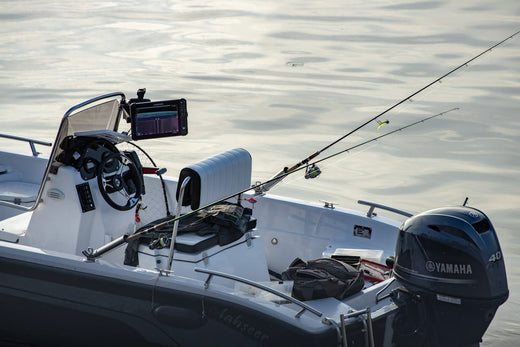
Polarization has a few trade-offs. Some digital displays, including certain fish finders, phones, and vehicle screens, can look dim or distorted at particular angles through polarized lenses. Tilting your head or adjusting the screen usually solves the issue, but it can be frustrating when you are checking charts or electronics.
They can also make it harder to see glare on ice, wet ramps, or slick surfaces. Glare is not always just visual clutter - sometimes it signals a hazard. Stay alert when launching a boat, walking a wet dock, or moving around a slippery shoreline.
Finally, not every cheap pair labeled polarized delivers the same clarity. Poor optics can cause distortion, eye fatigue, or a fuzzy view around the edges. A properly fitted pair with clear lenses, reliable UV protection, and a frame that stays put is worth more than flashy styling alone.
Fit matters. Your sunglasses should sit close enough to block side light without pinching your temples or sliding down when you look toward the water. A retainer strap is a simple add-on that can save a pair from disappearing overboard.
Keep lenses clean with fresh water and a microfiber cloth. Avoid wiping off sand or dried salt with your shirt, since grit can scratch the surface. Store them in a case instead of loose beside pliers, hooks, and tackle trays.
If you fish across several seasons or environments, two pairs can make more sense than one expensive do-it-all option: a gray pair for bright summer water and a copper or amber pair for variable light. That setup gives you more flexibility without overcomplicating your gear.
A good pair of polarized fishing glasses will not catch the fish for you. What they can do is help you spot the next opportunity, protect your eyes while you pursue it, and keep you comfortable enough to stay on the water longer. Gear up, watch the water closely, and make the next cast count.