Your Cart is Empty


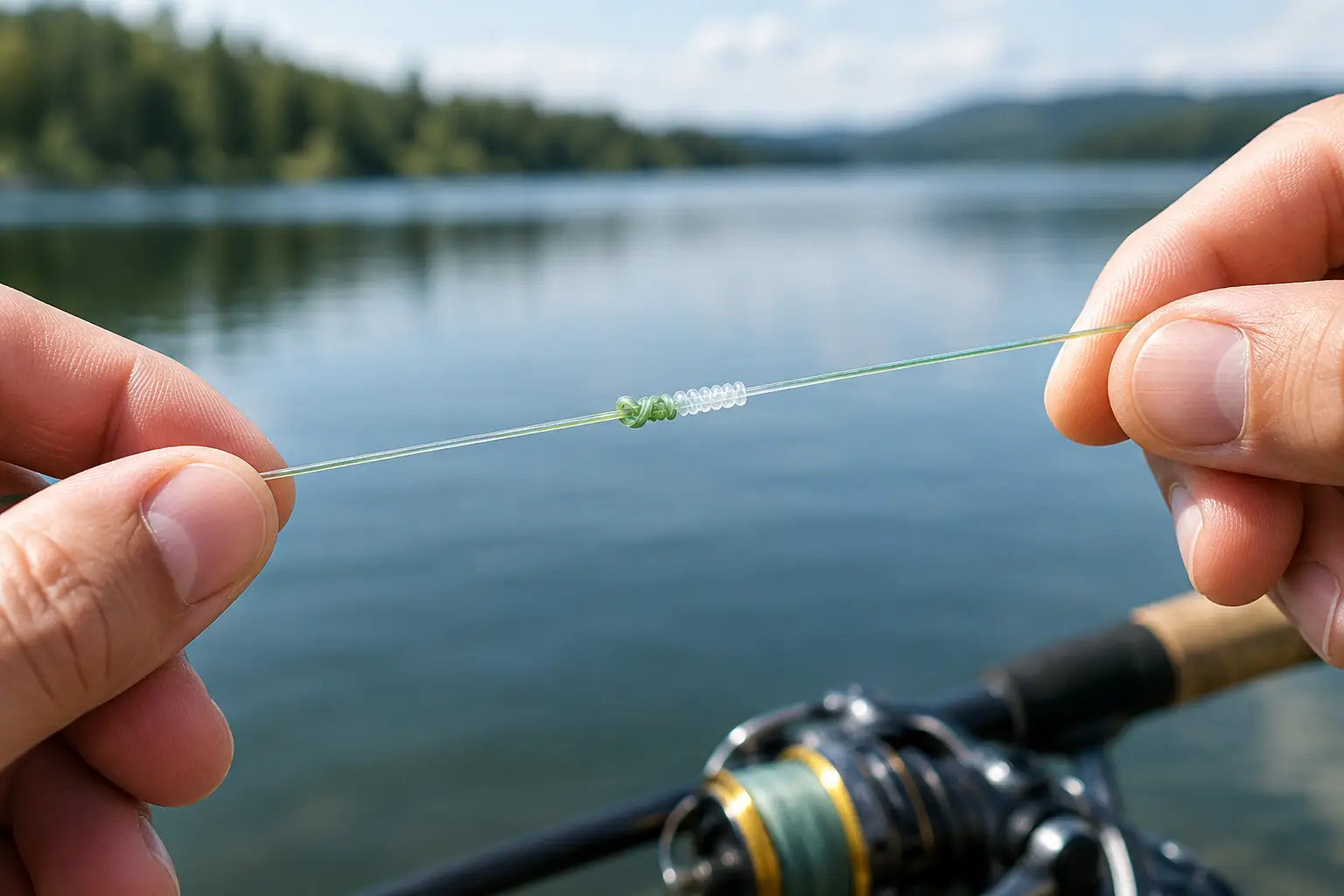

A fish does not care how new your rod is or how sharp your lure looks. If the knot fails, the fight is over. Learning how to tie fishing knots gives every part of your setup a better chance to perform when a hard strike, rough cover, or fast current puts it to work.
You do not need to memorize a dozen complicated knots before your next trip. Start with a few dependable options, practice them with the line you actually fish, and learn where each one fits. A small amount of preparation at home can mean fewer break-offs and more fish in the net.
A good fishing knot is not just a matter of following the wraps. It needs to be clean, seated correctly, and matched to the connection you are making. The right knot for a light monofilament trout rig may not be the best choice for braided line tied to a heavy bass hook.
Before cinching any knot, wet it with water or saliva. Lubrication reduces friction as the line tightens, helping prevent heat damage and weak spots. Pull the knot down slowly, keeping wraps from crossing over each other. Then inspect it closely. If the coils look uneven, the tag end is too short, or the knot feels rough, cut it off and tie again.
Leave a small tag end after trimming. Cutting too close can allow certain knots to slip under repeated pressure, especially with slick braid. It takes only a few extra seconds to get this part right.
The improved clinch knot is a practical starting point for monofilament or fluorocarbon tied to hooks, swivels, and many lures. It is quick to tie at the bank and works well for everyday freshwater fishing. It can be less dependable with heavier braid, so choose a Palomar or uni knot when braided line is involved.
Pass the tag end through the eye of the hook or lure. Make five to seven wraps around the standing line, then bring the tag end back through the small loop closest to the eye. For the improved version, pass it through the larger loop that forms next. Wet the knot, pull the tag end and standing line until the coils snug down, then trim the tag.
Keep your wraps neat. Overlapping coils are a common reason the clinch knot breaks sooner than it should.
The Palomar knot is one of the strongest, simplest choices for braid. It also performs well with monofilament and fluorocarbon, which makes it a smart all-around knot to know. Its main limitation is that a lure, hook, or swivel must pass through the loop, so it can be awkward with bulky baits or long leaders.
Double about six inches of line and pass the loop through the eye. Tie a loose overhand knot with the doubled line, but do not tighten it. Pass the entire hook or lure through the loop, wet the lines, and pull the standing line and tag end together until the knot seats against the eye.
Check that the two strands are lying flat before tightening. A twisted Palomar can lose much of the strength that makes it such a favorite.
Some lures work best when they can move freely. A non-slip loop knot gives jerkbaits, topwater plugs, jigs, and flies room to swing instead of locking them into a stiff connection. That extra movement can create a more natural presentation, especially when fish are following but not committing.
Tie a loose overhand knot about five inches above the tag end. Run the tag end through the lure eye, then back through the overhand knot from the same side it exited. Make three to five wraps around the standing line and return the tag through the overhand knot. Bring it through the new loop that formed, wet the knot, and pull it tight while leaving a small loop at the lure eye.
The key is the loop size. Keep it small enough to avoid catching debris but large enough for the lure to move. For bottom rigs or live-bait hooks, a direct knot is often the better call.
The uni knot earns a spot in every tackle bag because it works for tying terminal tackle, joining lines, and securing line to a reel spool. It is easy to adjust before fully tightening and is more forgiving than some knots when conditions are cold, windy, or wet.
Pass the line through the eye and lay the tag end alongside the standing line. Form a loop over both lines, then wrap the tag end through the loop five or six times. Pull the tag end to tighten the coils into a compact knot, wet it, and slide the knot to the eye by pulling the standing line.
For braid, add a couple of extra wraps. Slick braid benefits from more turns, while thicker mono may become bulky if you overdo it.
If you fish braid with a fluorocarbon or monofilament leader, the double uni knot is a dependable connection that can be tied without special tools. It is a strong option for anglers who want a practical leader knot without learning a more advanced connection right away.
Overlap the braid and leader by several inches, with their tag ends facing opposite directions. Use the braid tag end to make a uni knot around both lines, using seven or eight wraps. Tighten it lightly. Then use the leader tag end to make another uni knot around both lines, usually with four to six wraps. Wet both knots and pull the standing lines in opposite directions until the two knots slide together.
Trim the tags close, but not flush. If you use a long leader that must pass through rod guides often, keep the finished knot compact and test that it moves smoothly before fishing.
Line type matters as much as knot choice. Monofilament has some stretch and grips itself well, so knots such as the improved clinch work nicely for many light and medium-duty setups. Fluorocarbon is stiffer and can be damaged by heat when cinched too fast, making lubrication especially important. Braided line is thin and slick, so use knots with doubled line or additional wraps.
Your target species and cover matter too. Panfish and stocked trout rarely demand the same connection strength as largemouth bass pulled from weeds or catfish fishing around timber. When you expect hard runs, abrasive structure, or heavy drag pressure, choose a knot with a proven strength advantage and retie more often.
A knot should also suit the bait. A loop knot can help a walking bait or suspending lure show more action. A Palomar or uni knot gives a direct, secure connection for worm hooks, jigs, and spinnerbaits. There is no single best knot for every technique, but there are several knots that will keep you ready for most days on the water.
Do not wait for a fish to test your work. After tying on a lure or hook, hold the terminal tackle firmly and pull the line with steady pressure. Watch for slipping, uneven coils, or a tag end that begins to creep through the knot. If anything looks questionable, retie it now.
Retie after snagging hard, pulling a fish through cover, or noticing a frayed section of line near the knot. Even a strong knot cannot make up for line that has been scraped across rocks, dock pilings, or teeth. Keeping a small line cutter or multitool within reach makes quick reties easier when the bite is active.
Practice these knots with a short piece of line while you are packing for the trip, not only when wind and low light make every task harder. A clean knot is a quiet kind of confidence: tie it right, make the cast, and stay ready when the line jumps.