Your Cart is Empty


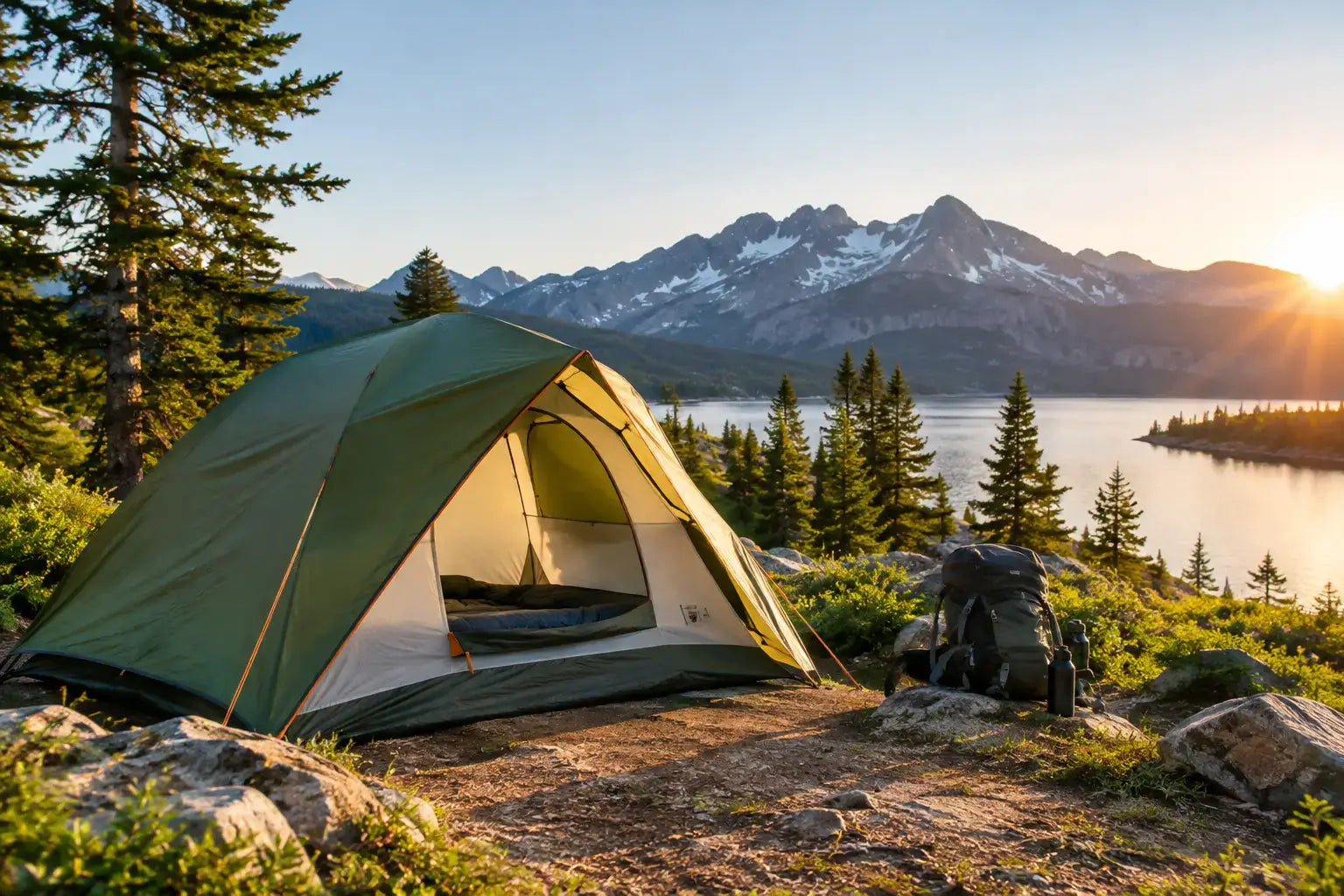

A tent can turn a long day on the trail, at the lake, or around the campground into a comfortable night outside. The best camping tents do more than provide a place to sleep. They protect your crew and gear from rain, wind, bugs, damp ground, and the early-morning chill so you can wake up ready for the next part of the adventure.
Choosing one is not just about finding the biggest tent at the lowest price. A roomy family shelter can be perfect for a drive-up campsite but frustrating on a backcountry hike. A lightweight backpacking tent saves space and pounds, yet may feel tight when the weather keeps everyone inside. Match the tent to how you actually camp, and you will get more comfort and more value from every trip.
Start with the trip, not the product label. Think about where you sleep, how far you carry your equipment, how many people are coming, and what conditions you expect. Those answers narrow the field quickly.
Car campers have the most flexibility. When your vehicle is parked beside the site, a larger cabin-style or dome tent can make sense. Extra headroom makes changing clothes easier, while separate rooms or a screen room can give families more personal space and a place to escape mosquitoes. Weight matters less, but setup time, floor space, and packed size still matter when your cargo area is full of coolers, camp chairs, fishing gear, and food.
For backpacking, every pound counts. Look for a compact tent that balances low weight with usable interior room. Two-person backpacking tents are often a practical choice for one camper who wants room for a pack inside, or for two people willing to sleep close together. A slightly heavier model may be worthwhile if it offers better weather protection, easier setup, or two doors so nobody has to crawl over a sleeping partner at midnight.
Weekend campers who split time between campgrounds, hunting camps, trailheads, and fishing spots usually benefit from a versatile three-season tent. These models handle spring, summer, and fall conditions while offering enough ventilation for warm nights. A true four-season tent is built for stronger winds and snow loads, but it is often heavier, less airy, and more expensive. Buy one when winter camping or exposed alpine conditions are part of the plan, not just because the label sounds tougher.
Tent capacity is a starting point, not a comfort rating. A four-person tent technically sleeps four adults, but that can mean four sleeping pads touching with little room for duffels, boots, or a dog. If comfort is the goal, consider sizing up.
A couple with minimal gear may be comfortable in a two-person tent. A couple with a medium-sized dog, thicker sleeping pads, or a preference for elbow room will likely appreciate a three- or four-person model. Families should also consider standing height. A tent with a tall peak and near-vertical walls is far easier to live in when helping kids get dressed or waiting out an afternoon shower.
Pay attention to the floor dimensions, not only the capacity number. Long campers need enough length to keep their sleeping bag from pressing against a wet tent wall. Wider floor plans make room for larger pads. If you expect rain, plan to keep gear in vestibules or under a covered awning rather than crowding it into the sleeping area.
Small design details make a big difference after dark. Two doors reduce traffic and make shared tents easier to use. Vestibules provide covered storage for muddy boots, packs, wet rain jackets, and other gear you do not want inside. Interior pockets keep headlamps, phones, maps, and keys from disappearing into bedding.
For family camping, a screened porch or canopy can add valuable living space. It is not a substitute for a properly weatherproof sleeping area, but it gives everyone a dry spot for camp chairs and a bug-free place to play cards when the sun drops.
Rain can find the weak points in a poorly chosen or poorly pitched tent. Look for a full-coverage rainfly when wet weather is likely. A fly that extends close to the ground offers better protection than a small cap over the roof, especially when wind drives rain sideways.
The tent floor matters just as much. A durable floor with sealed seams helps prevent groundwater from soaking through overnight. Use a footprint sized for your specific tent or place a tarp fully underneath the floor. Never let a tarp stick out beyond the tent edges. It can collect rain and direct water underneath you.
Ventilation is the other half of weather performance. Condensation forms when warm, humid air from breathing meets cool tent walls. Mesh panels, roof vents, and adjustable openings help move moisture out. Even on a chilly night, leaving a small vent open can reduce the chance of waking up to damp walls and a clammy sleeping bag.
Wind protection depends on both the tent and the campsite. Strong poles, quality stakes, and multiple guy-out points help hold the structure steady, but smart site selection is equally useful. Avoid exposed ridgelines when storms are expected. Pitch the narrow end of the tent into the prevailing wind when possible, and secure every corner before the weather turns.
A tent that is easy to pitch gets used more often. Color-coded poles, clips instead of sleeves, and a straightforward rainfly design can save time when daylight is fading or rain is moving in. Instant and pop-up tents are especially appealing for quick campground weekends, though they can be bulkier when packed and may not offer the same wind stability as a traditional pole tent.
Before leaving home, set up a new tent once in the yard. You will learn which pole goes where, confirm all parts are included, and spot any issues before reaching a remote campsite. Pack the stakes, guylines, rainfly, and repair sleeve together. A tent without a few small pieces can become a very long night.
Choose your site carefully when you arrive. Clear sharp sticks and rocks, but do not dig trenches or alter the ground. Stay off low spots where water can pool. Look overhead for dead branches, and give yourself enough room to stake out the tent without creating a tripping hazard around camp.
Camping tents earn their keep when they are maintained between trips. After camp, shake out dirt and pine needles, then dry the tent completely before storing it. Packing a damp tent away, even for a few days, can lead to mildew, bad odors, and weakened fabric coatings.
Keep sunscreen, insect repellent, fuel, and harsh cleaners away from tent fabric when possible. These products can damage waterproof coatings. Clean small spots with mild soap and water, follow the care instructions for your tent, and inspect seams, zippers, poles, and mesh before the next outing.
If rain starts beading less effectively on the fly, it may be time to refresh the durable water repellent treatment. If seams begin to leak, seam sealer can extend the usable life of the shelter. Simple upkeep costs far less than replacing a tent before its time.
The right tent does not need to be the most expensive or the most specialized model on the shelf. It needs to fit your people, your conditions, and the way you get outside. Gear up with a shelter you can trust, pitch it with care, and spend less time worrying about the forecast and more time making the trip worth taking.