Your Cart is Empty



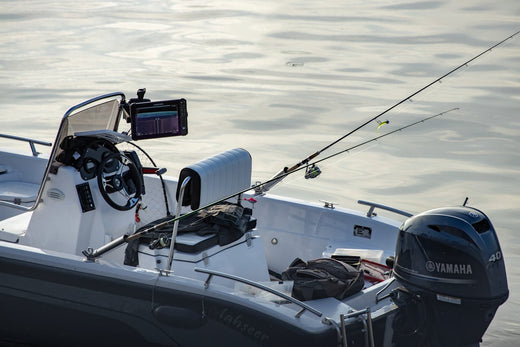
A dead phone is annoying. A dead fish finder halfway across the lake, a drained CPAP battery at camp, or a fridge full of food warming up during an outage is a different kind of problem. A portable power station gives you a quiet, fuel-free way to keep essential gear running when a wall outlet is nowhere nearby.
For campers, RV travelers, boaters, tailgaters, and anyone building a practical emergency kit, the right unit comes down to more than picking the biggest battery you can afford. You need enough stored energy, the right outlets, realistic charging options, and a size you will actually bring along. Here is how to choose power that keeps your plans moving.
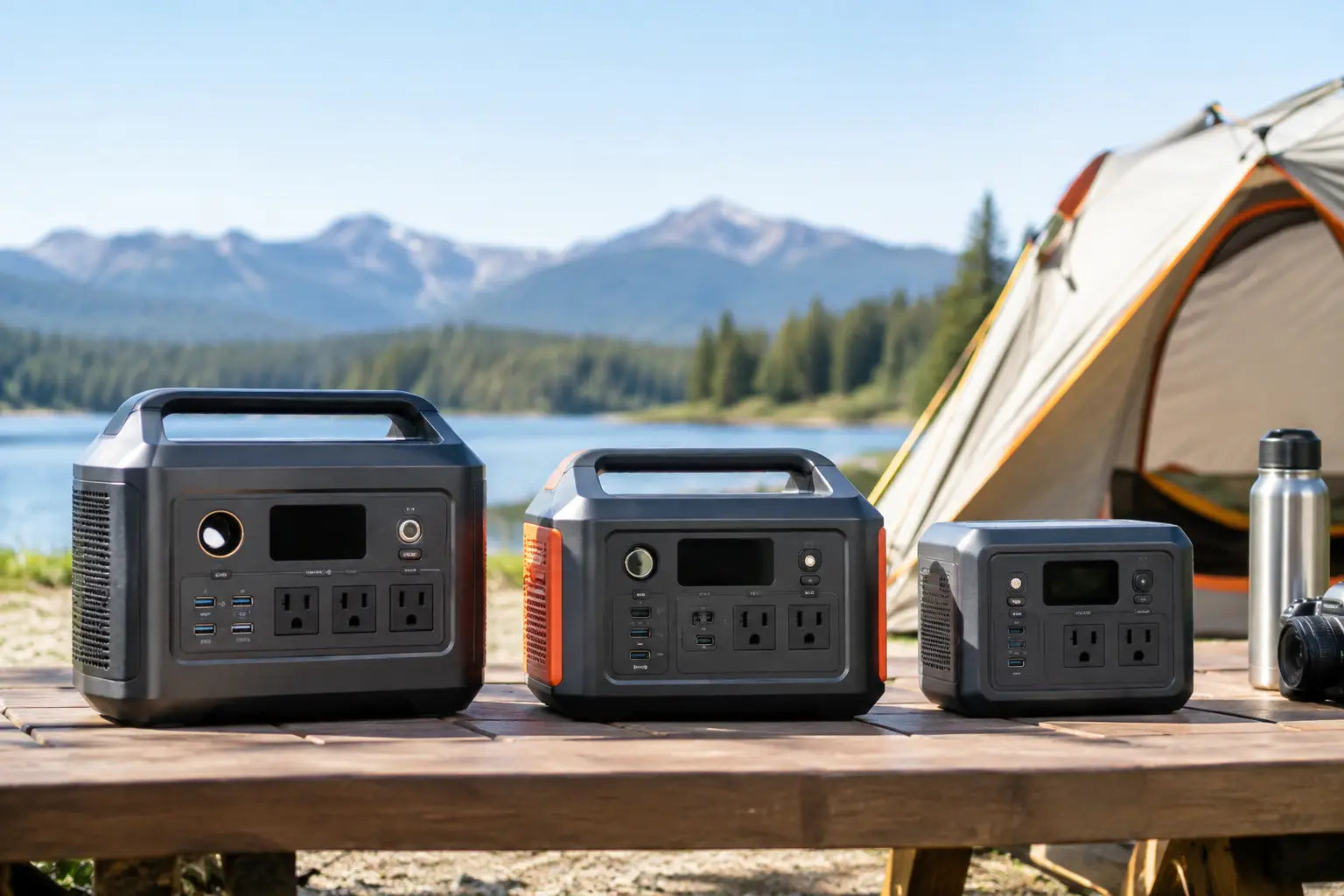
A portable power station is a rechargeable battery pack with built-in outlets and power controls. Most models offer standard AC outlets for household-style plugs, USB ports for phones and tablets, and 12V outputs for compatible camping and automotive gear. Unlike a gas generator, it runs silently and produces no exhaust at the point of use.
That makes it a strong fit for tents, cabins, truck beds, RVs, boats, hunting camps, and home backup use. You can recharge it from a wall outlet before leaving, top it off from a vehicle while traveling, or pair it with compatible solar panels when you expect to stay off-grid.
It is not a replacement for every generator. High-demand equipment such as a full-size air conditioner, electric heater, welder, or large power tools can drain even a large battery quickly. For electronics, lighting, small appliances, portable refrigeration, cameras, pumps, and other moderate loads, though, a power station can be a game-changing piece of camp gear.
Battery capacity is measured in watt-hours, shown as Wh. This number tells you how much energy the station can store. More watt-hours generally mean longer runtime, but they also mean a larger price tag, more weight, and longer recharge times.
A compact 250Wh to 300Wh power station can handle phones, headlamps, a camera battery, and small electronics for a weekend. A 500Wh to 800Wh model is a versatile range for car camping, fishing trips, and short RV stops, especially when you are running a portable fridge, lights, and charging gear. For longer stays, home outage support, or more demanding RV and boat setups, 1,000Wh and up gives you more breathing room.
To estimate runtime, divide the station's watt-hours by the device's watt draw. A 500Wh unit powering a 50-watt portable fridge could theoretically run for about 10 hours. Real-world runtime will be lower because power conversion creates some loss, and refrigerators cycle on and off depending on outside temperature and how often the lid opens.
The same thinking applies to every device. Check its label, manual, or power brick for wattage. If it lists amps and volts instead, multiply them to get an approximate watt number. Knowing what you plan to run is far more useful than buying based on a vague promise of "all-day power."
Capacity tells you how long a station can run. Output tells you what it can run at all.
Look at the continuous AC output rating, measured in watts. If your coffee maker needs 900 watts, a 500-watt power station cannot run it, even if the battery is fully charged. Also check the surge rating. Devices with compressors or motors, including some portable refrigerators, pumps, and power tools, may need an extra burst of power when they start.
For most outdoor setups, choose a station with a useful mix of AC, USB-A, USB-C, and 12V ports. USB-C Power Delivery is especially valuable for fast-charging newer phones, tablets, cameras, and many laptops without tying up an AC outlet. A regulated 12V outlet can be useful for compatible coolers, air pumps, and marine or vehicle accessories.
Do not assume every outlet can deliver full power at the same time. The total output limit still applies. Running a laptop, fridge, lights, and a small fan may be easy. Add a high-wattage appliance, and you could overload the unit. Plan your priority loads before the trip.
The largest portable power station is not automatically the best buy. A heavy 1,500Wh unit may be excellent at a base camp, in an RV, or as a home backup battery. It may be a poor fit if you regularly move camp, launch from a small boat, or need to carry gear down to a remote shoreline.
Think about where the station will ride, where it will sit, and who will lift it. Check the weight, handle design, and physical dimensions before buying. For boating, also consider how you will keep the unit secure and dry while underway. A power station should be protected from spray, rain, standing water, and direct summer sun.
For many campers, two smaller stations can be more practical than one oversized unit. One can stay at camp for lights and refrigeration while the other goes in the vehicle, kayak launch area, or fishing setup for charging smaller gear. That approach costs more, but it can make power management easier when your activities spread out.
A power station is only as useful as your ability to recharge it. Wall charging is the simplest option for weekend trips. Charge it fully at home, then bring it ready to work. Vehicle charging helps maintain smaller units during a road trip, but it is often slow. Do not count on a 12V vehicle outlet to quickly refill a large battery between stops.
Solar charging adds real flexibility for longer trips. It works best when panel size, sunlight, and charging input are matched to the power station. A small solar panel may keep phones and lights topped up, but it may not replace the energy used by a fridge and several devices each day. Cloud cover, tree shade, panel angle, and short winter days all reduce production.
Before building a solar setup, check the station's maximum solar input, voltage range, connector type, and recommended panel compatibility. More panel wattage is not always better if the station cannot accept it. Set panels in direct sun, reposition them through the day when possible, and keep expectations realistic.
Many newer power stations use lithium iron phosphate batteries, often called LiFePO4 or LFP. They usually offer a longer cycle life and good stability, making them a strong choice for buyers who expect frequent use over several seasons. Other lithium battery types can offer lower weight or a smaller footprint, so the better option depends on how you travel and how often you recharge.
A clear display is worth having. It should show battery percentage, input watts, output watts, and an estimated runtime. Those numbers help you make smart decisions before the battery gets low. You should also look for overload protection, temperature protection, a built-in light if it fits your use, and a low-power mode that does not waste energy overnight.
For sensitive electronics, a pure sine wave AC inverter is the safer choice. It delivers cleaner power for laptops, camera chargers, medical devices, and other gear that may not perform well with lower-quality power output.
The quickest way to stretch a battery is to avoid using AC when a direct USB or 12V option is available. Charging a phone from USB-C is generally more efficient than plugging its wall charger into an AC outlet. Pre-chill your portable fridge before leaving home. Turn off unneeded lights. Charge camera batteries during daylight if solar power is available.
Keep the station on a stable, dry surface with clear space around its vents. Do not leave it inside a hot vehicle for hours, bury it under gear, or use damaged cables. If you are relying on it for a CPAP or another critical device, test the complete setup at home before the trip. Confirm watt draw, overnight runtime, charging cables, and backup plans.
For emergency readiness, store the station partly charged according to the manufacturer's instructions and check it every few months. A battery that has been forgotten in a closet is not much help when the weather turns bad.
The best portable power station is the one that supports your real routine without becoming another bulky item you regret packing. Start with your must-run gear, calculate a realistic energy need, then choose enough capacity and output for a margin of comfort. Add solar when you will be off-grid long enough to benefit from it.
From a quiet campsite to a long day on the boat or an unexpected outage at home, dependable power lets you focus on the reason you packed up in the first place. Gear up thoughtfully, keep your essentials charged, and venture further with fewer compromises.