Your Cart is Empty


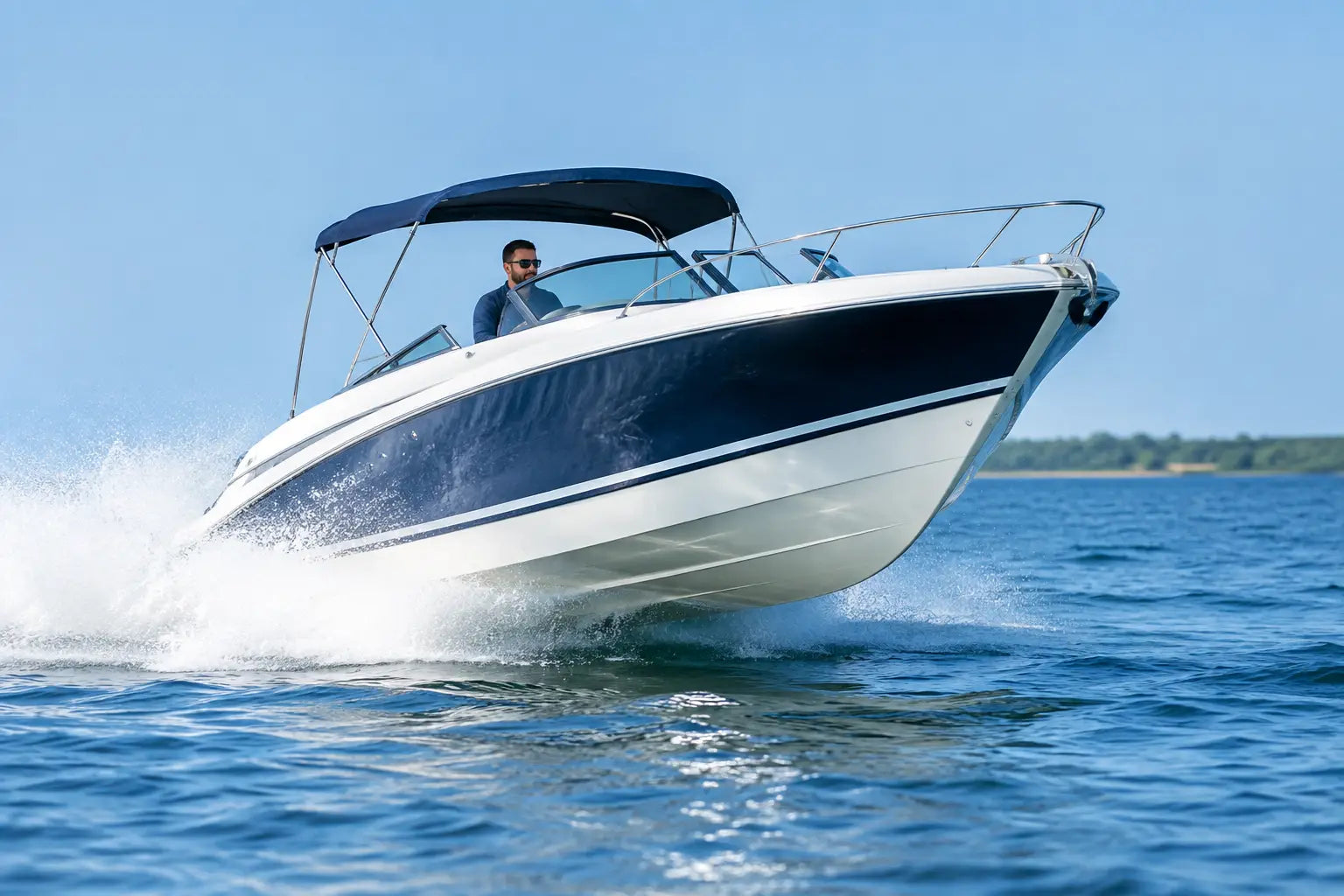

A boat that starts hopping across the water can turn a great run to the fishing grounds into a white-knuckle ride fast. Boat porpoising is more than an annoyance: it reduces comfort, makes steering less predictable, and can put extra strain on people, gear, and equipment. The good news is that many porpoising problems come down to a few fixable setup and operating issues.
Before buying parts or making major adjustments, learn what the boat is telling you. A controlled test run, a quick look at weight distribution, and the right trim changes often reveal the cause. Gear up for safer, smoother days on the water by starting with the basics.
Porpoising is the repeated up-and-down bouncing of a boat's bow while it is on plane. The bow rises, falls, then rises again in a cycle that can grow more severe as speed increases. It gets its name from the motion of a porpoise moving through the water.
A little bow movement in changing chop is normal. True porpoising is rhythmic and persistent, often occurring in calm to moderate water at a particular speed range. You may feel the stern lose bite as the bow lifts, followed by a hard slap as the hull comes back down. If backing off the throttle or trimming down immediately settles the boat, the issue is likely related to running attitude rather than a one-time wave impact.
A planing hull needs the right balance between lift, speed, thrust, and weight. When that balance shifts too far aft or the bow rides too high, the hull can lose its stable running angle. Water pressure lifts the bow, the boat slows and drops, then the cycle repeats.
Over-trimming is one of the most common causes. Trimming the outboard or sterndrive out raises the bow and can reduce wetted surface, which may improve efficiency in the right conditions. Push it too far, though, and the propeller's thrust angle lifts the bow enough to start the bounce.
This can happen gradually. A boat may feel faster and freer as you trim out, so it is easy to keep bumping the trim button until the hull becomes unstable. Trim down in small increments and let the boat settle between adjustments. If porpoising stops quickly, excessive trim was likely the main trigger.
Coolers, fuel tanks, batteries, livewells, heavy tackle, and passengers all affect how a boat rides. Loading too much weight near the transom makes the stern sit deeper and encourages the bow to run high. This is especially common on smaller fishing boats, aluminum utility boats, center consoles, and boats carrying a heavy outboard.
Move portable gear forward when it is safe to do so. Ask passengers to spread out rather than gathering at the stern. On a fishing trip, shifting a loaded cooler or tackle bag may make a bigger difference than an expensive hardware change.
Some hulls have a natural speed range where they are more likely to porpoise. Flats boats, bass boats, lightweight aluminum boats, and certain deep-V or modified-V designs can react differently depending on water conditions and load. A boat may run perfectly at 25 mph and 45 mph but bounce at 35 mph.
That does not automatically mean something is broken. Every hull has operating limits and sweet spots. If the boat only porpoises in a narrow speed range, a slight speed change may be the simplest fix. Still, if the behavior is new or severe, inspect the setup before accepting it as normal.
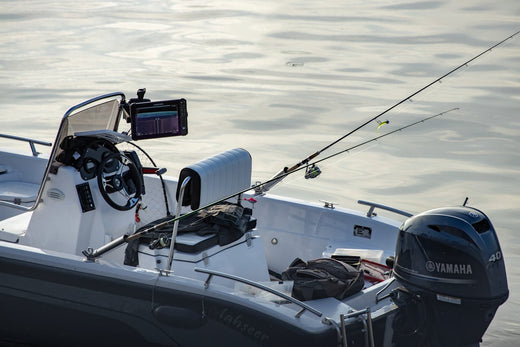
Engine mounting height and propeller selection have a major effect on how a boat carries its bow. An outboard mounted too high may lose clean water flow to the propeller, while one mounted too low creates drag and can limit trim response. A damaged propeller, incorrect pitch, excessive ventilation, or a prop that does not suit the boat's load can also make handling less consistent.
These issues usually come with other clues: poor hole shot, unexpected RPM, steering torque, prop blowout in turns, or trouble reaching the recommended wide-open-throttle RPM range. Record what you notice rather than guessing. That information helps a qualified marine technician identify whether the problem is prop, engine height, trim, or hull-related.
Start in open water with enough room to slow down, turn gradually, and stay clear of other boats. Secure loose gear, make sure passengers are seated, and wear properly fitted life jackets. Avoid troubleshooting in rough water, near docks, or in busy channels.
Bring the boat onto plane with the drive or outboard trimmed fully in. Once the boat is running steadily, increase speed gradually. If the bow begins to oscillate, first trim down a little. If that does not settle it, reduce throttle. Notice the speed, engine trim position, water conditions, passenger location, and gear load when the bounce begins.
Next, make one change at a time. Move a cooler forward, redistribute passengers, or repeat the run with a different fuel load. Do not combine multiple changes or you will not know which one made the difference. A simple notebook in the boat can be useful for tracking speed, RPM, trim, and handling behavior after each test.
Never try to power through a hard porpoising event. Sudden bow drops can throw occupants off balance, damage gear, and make it harder to maintain a safe course. Reduce speed, trim down, and regain control before trying another adjustment.
The right fix depends on the hull, engine, load, and conditions, but these steps solve many everyday cases:
Hydrofoils and similar bolt-on devices can help some smaller boats plane faster and reduce low-speed bow rise. They are not a universal cure. On the wrong hull or setup, they may add drag or change handling in ways you do not want. Consider them after checking trim technique, loading, prop condition, and engine setup.
A professional setup check makes sense when porpoising is severe, suddenly appears on a boat that used to run well, or continues despite careful loading and trim adjustments. It is also smart after adding a larger outboard, jack plate, trolling motor batteries, a hardtop, power poles, or other substantial equipment.
A marine professional can verify engine height, inspect the running surface, evaluate propeller fit, and check for issues such as waterlogged foam, damaged trim systems, or hull damage. That kind of assessment is especially valuable before spending money on a new prop or aftermarket handling accessory.
The best time to prevent porpoising is while loading the boat. Keep heavy gear low and near the center when possible, secure it so it cannot shift, and avoid treating the stern like a storage shelf. Bring the right safety gear, check your prop before departure, and give yourself room to test trim once you are on plane.
A smooth-running boat lets you focus on the water ahead, the people aboard, and the reason you launched in the first place. Set it up right, make small adjustments with purpose, and get outside more with confidence.