Your Cart is Empty


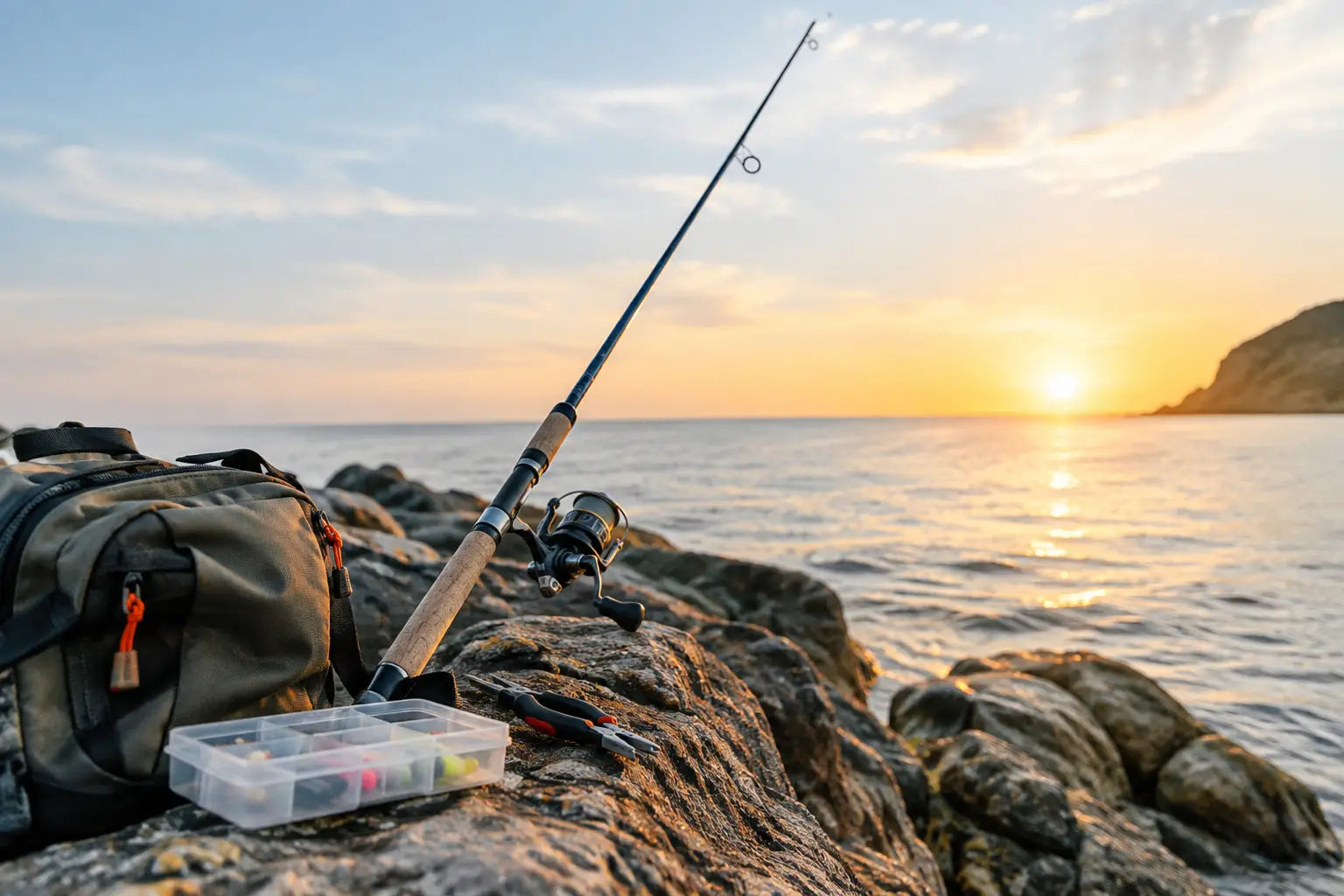

A calm shoreline, a tackle bag at your feet, and a baited line in the water can turn an ordinary afternoon into the best part of your week. The right shore fishing gear guide starts with one practical truth: you do not need a boatload of equipment to catch fish from land. You need dependable gear that matches the water, the species, and the way you plan to fish.
Shore fishing covers more ground than most anglers realize. You might be casting from a freshwater bank, working a rocky jetty, soaking bait from a pier, or reaching beyond the breakers at the beach. Each setting asks a little more of your setup, but the foundation stays the same: a capable rod and reel, the right line and terminal tackle, useful bait or lures, and a safe way to carry it all.
For most anglers, a spinning rod is the easiest and most flexible place to start. It casts light baits and lures well, handles a wide range of fish, and is straightforward for beginners to use. A 7-foot medium-power spinning rod is a strong all-around choice for ponds, lakes, rivers, docks, and protected coastal water. Pair it with a 2500 or 3000-size spinning reel, and you have a setup ready for bass, panfish, trout, smaller catfish, and many inshore saltwater species.
The shoreline dictates when to go bigger. If you are fishing a wide river, a large pier, or the surf, a longer rod helps you cast farther and keep line above waves or rocks. An 8- to 10-foot medium-heavy rod gives you more reach for heavier sinkers and bigger baits. Surf anglers often use rods from 10 to 12 feet, especially when they need to cast past the first breaking waves.
Do not assume longer is always better. A 12-foot surf rod is awkward on a narrow wooded bank, while a short 6-foot rod can feel underpowered when you are trying to cast a bait beyond rough water. Buy for where you fish most often, then expand your lineup as your outings change.
A spinning reel should balance the rod, have a smooth drag, and hold enough line for the fish and water in front of you. For freshwater use, a 2500 to 3000-size reel is a practical sweet spot. For heavier inshore fishing, large catfish, or surf setups, move up to a 4000 to 6000-size reel.
Saltwater anglers should look for corrosion-resistant materials and a sealed or well-protected drag system when possible. Salt gets into everything. A reel does not have to be the most expensive model on the rack, but it should be built to handle repeated exposure and rinsed with fresh water after every trip.
Your rod and reel get the attention, but line and terminal tackle often decide whether a fish stays connected. Monofilament remains a great choice for new anglers because it is affordable, easy to handle, and forgiving when a fish makes a sudden run. Eight- to 12-pound monofilament works for many freshwater situations. For larger catfish, pike, or saltwater fish, 15- to 25-pound line is more appropriate.
Braided line offers greater sensitivity and a smaller diameter for its strength. It is useful when you need longer casts, want to feel subtle strikes, or fish around weeds and structure. The trade-off is that braid is highly visible in clear water and has very little stretch. Adding a fluorocarbon or monofilament leader can help make your presentation less noticeable and provide abrasion resistance around rocks, docks, and shell beds.
Keep a small assortment of terminal tackle rather than filling your bag with every size available. The useful basics are hooks, swivels, sinkers, bobbers, jig heads, snap swivels, and a few pre-tied leaders. Hook size should match the bait and target species. Small hooks suit worms and panfish baits, while larger circle hooks are a dependable choice for cut bait, shrimp, or live bait aimed at catfish and saltwater fish.
Circle hooks deserve a mention for anglers soaking natural bait. Instead of sharply setting the hook, steadily reel as the fish moves away. The hook is designed to catch in the corner of the mouth, which can improve release survival and reduce deep hooking.
A shore fishing gear guide should not tell you to bring every lure you own. Carry a focused selection that covers the water column and local conditions. In freshwater, a few soft plastic worms, paddle-tail swimbaits, inline spinners, small crankbaits, jigs, and bobbers can cover a surprising number of situations.
For saltwater shore fishing, productive choices often include soft plastic paddle tails, jig heads, spoons, shrimp imitations, topwater plugs, and durable metal casting lures. Natural bait such as shrimp, squid, clams, cut bait, or sand fleas can be especially effective when fish are feeding close to shore. Check local bait availability and regulations before you head out.
Color matters less than many anglers think, but water clarity matters a lot. In clear water, natural colors and smaller profiles often earn more bites. In muddy water, low light, or rough surf, use baits with more vibration, flash, or contrast. A bright jig head, a noisy topwater plug, or a scented soft plastic can give fish something easier to find.
When choosing sinkers, consider current and wave action. Use only enough weight to hold your bait where you want it. Too little weight sends your rig drifting. Too much weight makes casting tiring and can bury bait in soft bottom. Egg sinkers work well for many bait rigs, while pyramid sinkers hold better in moving surf.
The difference between a relaxed session and a frustrating one is often the gear around the rod. A compact tackle bag or backpack keeps essentials organized and leaves your hands free for rough trails, stairs, or uneven rocks. Use small utility boxes to separate hooks, weights, lures, and leaders so you are not digging through loose tackle when fish are active.
For a productive, comfortable outing, bring these six shore-side essentials:
Good shore anglers do not just cast as far as possible. They look for places where fish have a reason to feed, hide, or travel. Along a lake or river, that may mean fallen timber, weed edges, shaded banks, current seams, bridge pilings, or a point that drops quickly into deeper water.
At the beach, watch for darker water, troughs between sandbars, cuts where waves break less aggressively, and areas where current pulls outward. Fish often use these lanes to move through the surf. On piers and jetties, work around pilings, current breaks, baitfish activity, and shadow lines.
Start close before firing a long cast. Many fish feed surprisingly near shore, especially early and late in the day. Make a few casts parallel to the bank or along structure. Then work outward with intention. This approach covers more water and keeps you from casting over fish that are already within range.
Wind, current, water temperature, and season should influence what you carry. On calm mornings, lighter lures and subtle presentations can be excellent. When wind rises or waves build, add weight, choose lures that cast well, and make sure your rod holder or sand spike is secure.
Before fishing, check state licensing requirements, species limits, seasonal closures, and local access rules. Saltwater and freshwater regulations can change by location, and some areas have restrictions on hook types, bait, harvest size, or protected species. A little preparation protects the resource and prevents an otherwise great day from ending badly.
If you are releasing fish, wet your hands before handling them, support larger fish horizontally, and return them to the water quickly. Keep only what you will use and what regulations allow. Better fishing depends on healthy water and healthy fish populations.
The best shore setup is the one you will actually carry, use, and maintain. Start with a versatile rod and reel, a small but purposeful tackle selection, and the safety gear that lets you stay comfortable longer. Then get out there, pay attention to the water, and let each cast teach you what the shoreline is holding.