Your Cart is Empty


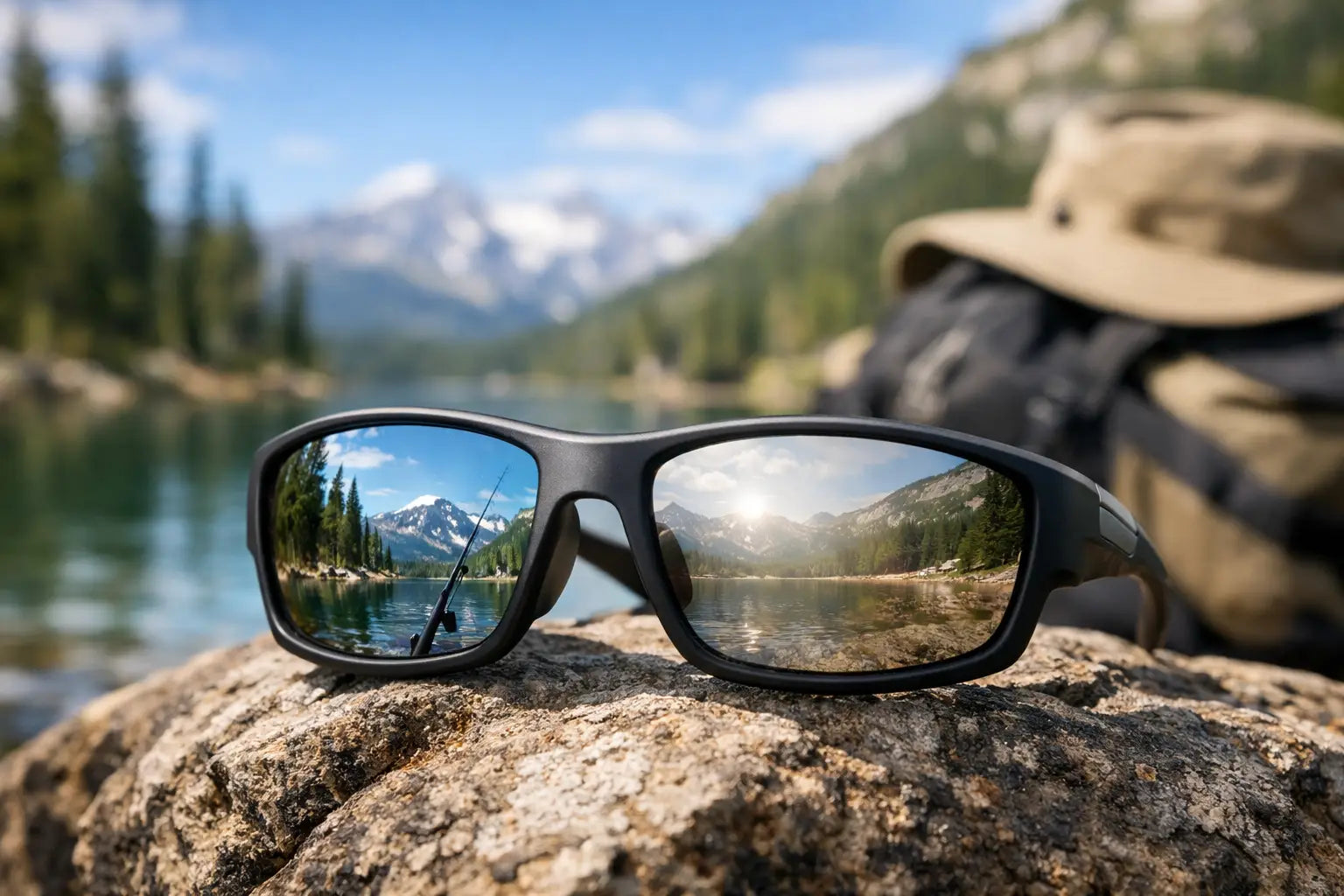

A bright morning on the lake can turn into a wall of white glare fast. The same goes for wet pavement, a sun-baked trail, or a long highway drive to camp. So, are polarized sunglasses worth it? For most people who spend real time outdoors, yes. They are one of the simplest upgrades you can make for clearer vision and more comfortable days outside.
The catch is that polarization is not automatically the best choice for every activity or every pair of sunglasses. Knowing what it does, where it helps, and where it can get in the way will help you buy the right pair for the adventures ahead.
Sunlight scatters in every direction, but when it reflects off a flat surface, such as water, snow, windshields, pavement, or a boat deck, much of that light becomes horizontally aligned. That reflection is glare. It can make you squint, hide detail, and leave your eyes tired after a few hours outside.
A polarized lens has a built-in filter that blocks much of that horizontal glare. The result is a sharper, calmer view. Water often looks clearer, road surfaces are easier to read, and the bright haze bouncing off a dock or tailgate is less aggressive.
Polarization is not the same thing as UV protection. A quality outdoor lens should offer both. UV protection helps shield your eyes from harmful ultraviolet rays, while polarization manages the reflected glare that makes sunny conditions uncomfortable. A dark lens without UV protection is not a smart substitute, and a UV-protective lens without polarization may still leave you fighting reflections.
For fishing, boating, watersports, driving, and casual trail use, polarized sunglasses earn their place quickly. They do not make the sun disappear, but they make bright conditions easier to handle so you can focus on the task in front of you.
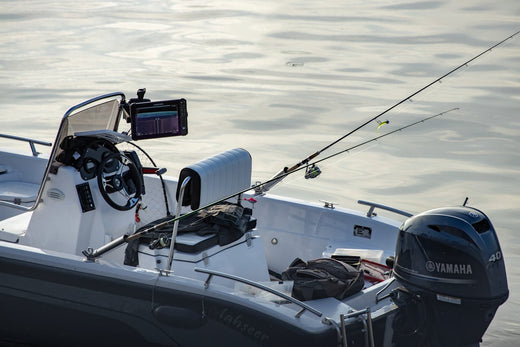
This is where polarized lenses make their strongest case. On the water, glare can conceal submerged rocks, dock lines, floating debris, and fish movement near the surface. Cutting the reflection can help you read the water more effectively, especially in shallow areas and along shorelines.
Anglers often notice the difference when spotting structure, weed edges, or a fish cruising in clear water. Boaters benefit from better visibility around wakes, channel markers, and other hazards. You still need to watch conditions, wear a secure fit, and use common sense, but less glare can make a long day on the water more comfortable and more controlled.
Polarized lenses are also a practical choice for road trips. They reduce glare coming off wet roads, vehicle hoods, windshields, and roadside snow. That can reduce squinting and eye fatigue during long stretches behind the wheel.
They are especially useful when the sun sits low in the sky, when rain has left the pavement reflective, or when you are towing a trailer and want a clearer view of traffic and road conditions. For many outdoor enthusiasts, the drive is part of the adventure. Better vision on the way there matters.
On trails and around camp, polarization can make bright terrain easier on the eyes. It helps with reflected light from granite, wet leaves, sandy ground, and water crossings. If you set up camp in open country, spend afternoons at the ball field, or work around vehicles and equipment, the reduced glare is simply more comfortable.
The improvement can feel subtle at first. Wear a good pair for a full sunny day, then switch back to non-polarized lenses. That is usually when the difference becomes obvious.
There are a few situations where a non-polarized lens can be more useful. Polarized filters can make some LCD and LED screens look darker, patchy, or difficult to read at certain angles. That includes some fish finders, vehicle displays, digital gauges, phones, and handheld GPS units.
This does not mean you have to give up polarization if you use electronics outdoors. Tilt your head or the device slightly, and the screen may become clear again. Still, if reading a dashboard display, aviation instrument, or specialized screen is central to your activity, test the glasses before relying on them in the field.
Some skiers and snowboarders also prefer to be selective. Polarization can reduce reflections that sometimes help reveal icy patches or changes in snow texture. Lens tint, visible light transmission, and changing mountain weather may matter more than polarization in that setting.
For low-light hunting at dawn or dusk, a very dark polarized lens is usually not the answer. You need enough usable light to see safely and clearly. A lighter lens, clear eye protection, or activity-specific glasses may be the better tool depending on legal shooting-light hours and terrain.
Polarization handles glare, but lens color affects how the world looks through the glasses. Choose the tint around your primary use instead of buying based on appearance alone.
Gray lenses offer neutral color perception and work well for general use, driving, and bright open water. They are a dependable all-around option when you want the scene to look natural.
Brown, copper, and amber lenses can boost contrast. They are popular for fishing, trail use, and variable light because they can make terrain detail and changes in water color easier to see. Many people find these tints more comfortable on partly cloudy days.
Green lenses sit between neutral gray and higher-contrast brown. They can be a versatile choice for general outdoor wear. Yellow and clear lenses have specialized low-light uses, but they are not replacements for a properly tinted, UV-protective pair in direct sun.
Mirrored coatings can add another layer of comfort by reflecting some light before it reaches the lens. They are useful for wide-open water, high sun, and bright sand, though the mirror finish itself is not what makes a lens polarized.
A polarized lens only helps when the glasses stay in place and cover enough of your field of view. For boating, fishing, and trail days, look for frames that fit close to your face without pinching. Wraparound shapes help block side light, while rubberized nose pads and temple grips can keep glasses secure when you sweat or move around.
Durability matters, too. Polycarbonate lenses are lightweight and impact resistant, which makes them a strong choice for active outdoor use. Glass lenses can offer excellent optical clarity and scratch resistance, but they are usually heavier and may not be ideal for every high-motion activity.
Also consider a retainer. Losing sunglasses to a gust of wind, a wave, or a lean over the gunwale is an expensive way to end the day. A simple strap is a small piece of gear that protects a useful investment.
You do not need luxury-priced sunglasses to get worthwhile polarization. The best value is a pair with clear optics, full UV protection, a useful lens tint, and a frame that fits your activity. If you fish or boat every week, stepping up to better coatings, more durable construction, and a secure wrap frame can be money well spent.
For occasional camping trips, driving, and backyard use, an affordable polarized pair can still make a noticeable difference. The key is avoiding flimsy glasses with vague claims. Look for specific UV protection and polarization details, then choose a design that matches where you actually spend time.
At Outdoor Up, the goal is the same as with any piece of outdoor gear: choose equipment that solves a real problem without draining the budget for features you will never use.
Polarized sunglasses are worth it if glare regularly affects your time outdoors. Think about the activities you do most, not the activities you might try once. If your weekends include casting from a shoreline, running a boat, driving long distances, camping near water, or hiking in exposed country, you will likely use the benefit every time the sun is out.
If your biggest priority is reading screens at a fixed angle, working in low light, or using specialized visual equipment, compare polarized and non-polarized options before committing. There is no prize for buying the most features. The right pair is the one that lets you see better, move comfortably, and stay focused on the day ahead.
Before your next launch, road trip, or trail day, put on a pair in bright conditions and look across water, pavement, or a reflective surface. If the glare drops away and the details come back, you have your answer. Gear up, get outside more, and keep your eyes on the adventure.