Your Cart is Empty


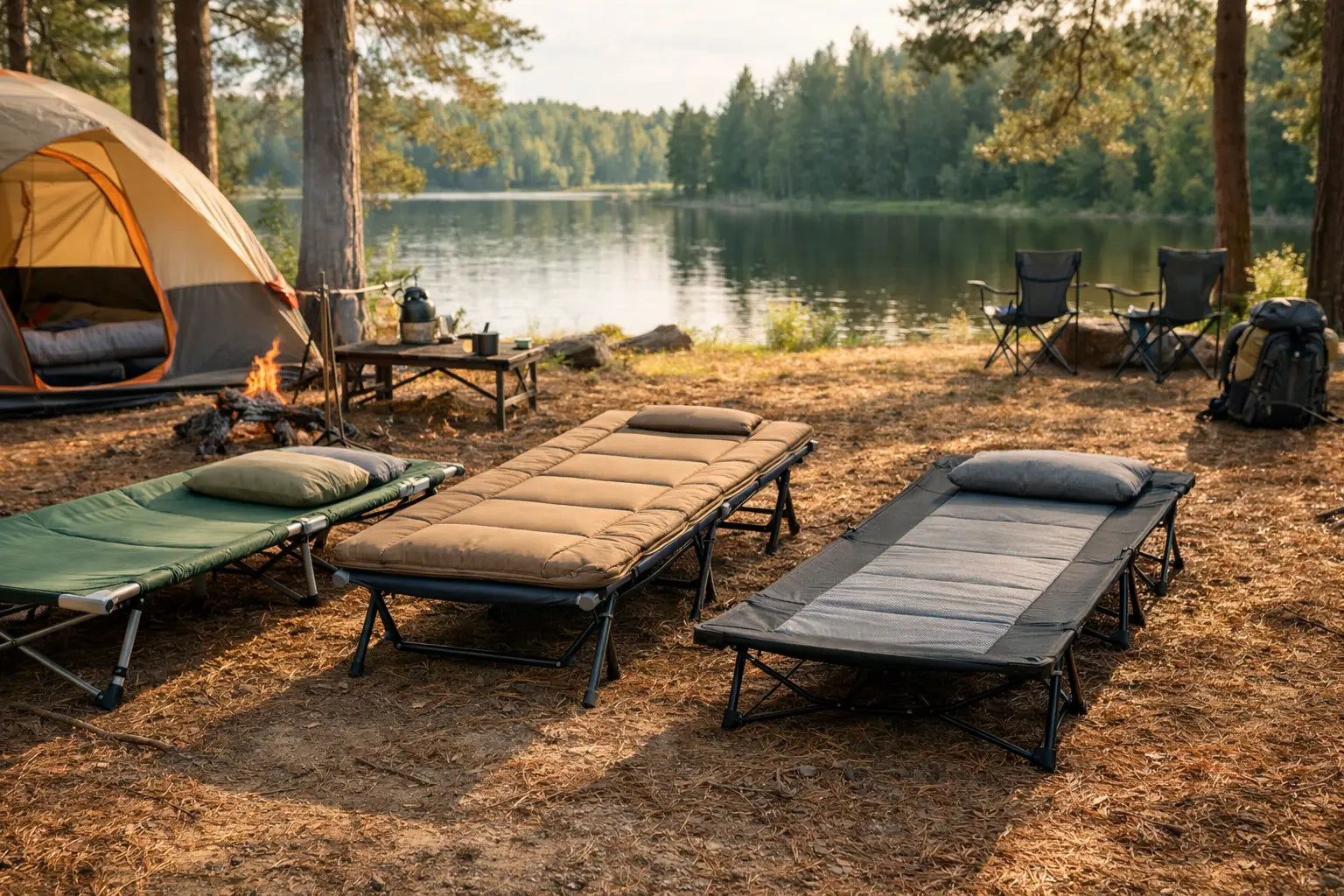

A bad night on the ground can turn an early-morning hike, a long day in the blind, or a family campground weekend into a slow start. The best camping cots for adults get you off uneven dirt, away from ground chill, and into a more familiar sleeping position. The right one is not always the biggest or most padded cot. It is the cot that fits your body, vehicle, campsite, and how often you plan to use it.
For most campers, a cot is a car-camping, RV, hunting-camp, or base-camp upgrade rather than a backpacking essential. They take up more room than a sleeping pad, but that trade-off can be worth it when comfort, easier entry and exit, and dependable support matter. Use this guide to narrow the field before you gear up.
Start with the three measurements that affect real-world comfort: length, width, and weight capacity. A cot should be longer than your height, especially if you sleep on your back with your toes pointed or use a pillow. Most adults will be more comfortable with a cot around 75 inches long or longer. Tall campers should look for an extended model rather than hoping a standard frame will do the job.
Width matters just as much. A narrow cot saves packing space and works well for a slim sleeper, but a wider sleeping surface gives side sleepers room to turn and keeps elbows from meeting the rails. For larger adults, prioritize both a generous width and a weight rating that leaves a healthy margin above your body weight plus bedding.
Then consider height. Low cots pack efficiently and tend to feel stable, while higher cots make getting in and out easier and create usable storage space underneath. High cots are especially handy in tents, RVs, and hunting cabins, but they can be less forgiving on soft or uneven ground.
A standard folding cot is the practical starting point for many adults. These models usually use a steel or aluminum frame with a durable fabric sleeping deck and legs that fold or scissor open. They are built for simple setup, solid support, and repeat use at drive-in sites.
Choose this style if you want a straightforward sleep system that can move from a campground to a spare room when company visits. Steel frames often deliver strong value and a reassuringly planted feel. Aluminum versions are easier to carry, though they may cost more. Either can be a smart buy when the frame, fabric, and joints feel properly built.
If you toss, turn, or sleep on your side, a wide cot can make a major difference. Extra width gives your shoulders and knees room to settle naturally instead of forcing you into a narrow, straight-line sleeping position. It also makes the cot feel less like a piece of camp furniture and more like a bed.
The trade-off is packed size. Wider cots occupy more floor space in a tent and more room in the truck. Before buying, measure your tent's usable interior, not just its advertised dimensions. Account for the door swing, gear bins, and enough clearance to walk around the cot at night.
Heavy-duty cots are made for campers who need higher capacity, a sturdier frame, or a roomier platform. They are a strong choice for larger adults, frequent users, and anyone building a comfortable long-weekend camp. Look for reinforced joints, stable leg geometry, and a weight rating that is clearly stated by the manufacturer.
Do not treat a listed capacity as a target. A cot used close to its limit may still hold up, but it can feel less steady and put more strain on fabric, hinges, and support bars. Choosing a model with extra capacity is a practical way to improve both comfort and long-term durability.
A raised cot is easier on knees and hips because you do not have to lower yourself all the way to the ground. That makes it a useful option for older campers, anyone recovering from a hard day on the trail, and people who simply want a more bed-like setup.
The space beneath the frame is another advantage. Slide duffels, boots, tackle bags, or clothing bins underneath to keep the tent floor organized. On sandy, muddy, or soft ground, place the cot carefully so each foot has stable contact. A higher sleeping surface magnifies any wobble from poor site selection.
Low-profile cots work well when tent ceiling height is limited or you want the most stable feel possible. They are often easier to fit into compact ground tents and can be a better match for campers who prefer to sit close to the floor. Many also pack down smaller than tall, traditional designs.
They are not the best choice for everyone. Getting up from a low cot can be awkward for campers with sore knees or limited mobility. If you are unsure, try sitting down and standing up from a similar height at home before committing to a low design.
When you pull into camp near dark, complicated gear is the last thing you want. Quick-setup cots use fold-out frames or integrated fabric systems that reduce assembly time. They are a strong fit for family camping, overnight fishing trips, event camping, and any trip where you may be setting up after a long drive.
Look beyond the word “easy” in the product description. The best quick-setup cot should open without excessive force, lock securely, and fold back into its carry bag without a wrestling match. A few extra minutes of setup may be worth it if the cot offers better support or packs smaller, so weigh convenience against the rest of your needs.
Not every road trip has room for full-size camp furniture. Compact cots are designed for campers packing a small SUV, crossover, truck cab, or RV storage compartment. They may use a shorter folded frame, removable support poles, or a lighter aluminum build to make transport easier.
Check the packed length before ordering. A cot can be lightweight yet still come in a long carry bag that will not fit across your cargo area. Compact designs also tend to have narrower decks or lower weight capacities, so confirm that the savings in space do not come at the expense of a comfortable night's sleep.
A double cot creates a shared sleeping platform for two adults or extra space for one camper who wants to spread out. It can be a great fit for roomy tents, cabin camping, and vehicle-based trips where comfort takes priority over compact packing.
Shared cots require a level campsite and enough tent floor space to keep the frame from crowding the walls. They can also transfer movement from one sleeper to the other. Couples who sleep lightly may be happier with two individual cots and a little space between them. It depends on whether you value a shared bed setup or independent support.
A cot handles support, but it does not automatically provide warmth or cushioning. The fabric deck allows air to circulate below you, which can pull heat away on cool nights. Add an insulated sleeping pad, a cot-sized mattress pad, or a properly rated sleeping bag when temperatures drop. This is especially useful for side sleepers who need more pressure relief at hips and shoulders.
Bring a pillow that packs well but still supports your neck. A small blanket or fitted sheet can also make the sleeping surface feel cleaner and more comfortable, particularly during warm-weather camping. Keep bedding secured when possible because wind and the slick cot surface can send loose gear sliding.
Set up on level ground and inspect the frame before bed. Confirm that every hinge is fully opened, support bars are seated, and each foot is planted evenly. Keep the cot away from tent walls to reduce condensation transfer and avoid putting sharp tools, cookware, or heavy hard-sided cases where they can rub against the fabric.
A roomy, high-capacity cot makes sense for a truck-based hunting camp or a family campground with a large tent. A compact low-profile version may be the better call for a weekend trip where cargo space is tight. For RV travelers, comfort and easy storage often matter more than the lightest possible carry weight.
At Outdoor Up, the goal is simple: get the gear that helps you rest well and get more from the next day's adventure. Choose a cot with room to move, support you can trust, and a setup that matches your routine. Then pick a level patch of ground, make the bed, and wake up ready to venture further.