Your Cart is Empty


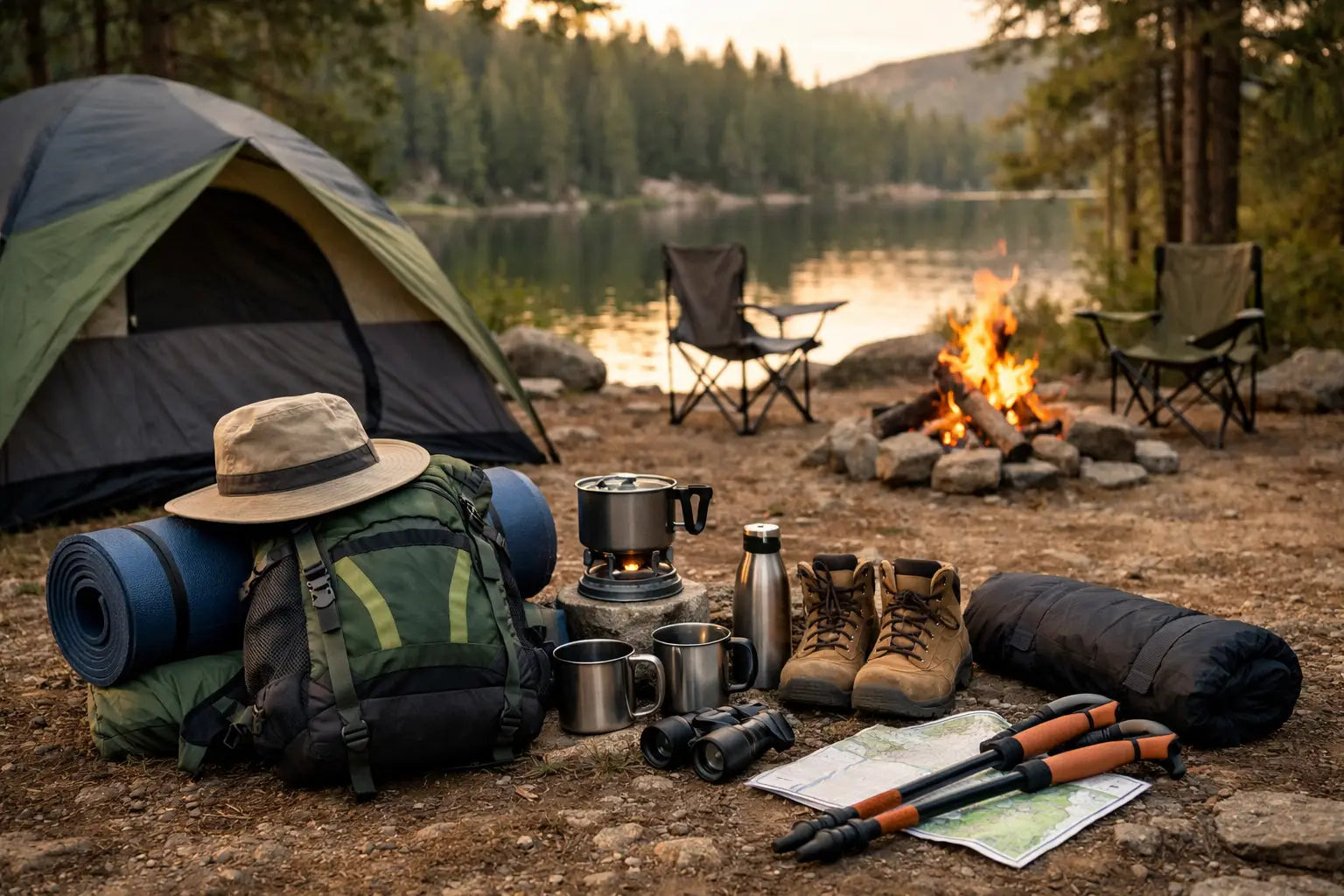

Your first campout usually teaches the same lesson fast: you do not need a truckload of gear, but the gear you bring needs to work. A tent that sets up without drama, a sleep system that keeps you warm, and a few basic tools will do more for your trip than a pile of gadgets. If you are looking for the best camping gear for beginners, the goal is simple - buy reliable essentials, skip the fluff, and get outside with confidence.
That matters because beginner gear mistakes are usually expensive in two ways. You either overspend on things you never use, or you go too cheap on the items that actually keep you dry, warm, fed, and rested. A smart starter setup sits in the middle. It is affordable, practical, and ready for real weekends outdoors.
The best beginner setup is built around comfort, ease of use, and margin for error. Experienced campers can get away with a stripped-down kit because they know how to adapt. New campers usually have a better trip when their gear is forgiving.
That means choosing a tent with straightforward setup instead of the lightest possible model. It means picking a sleeping bag with a realistic temperature rating, not the smallest packed size. It means bringing a stove that lights easily and cookware that is simple to clean. When you are starting out, convenience is not a luxury. It is what helps you enjoy the trip enough to go again.
If your budget is limited, put the most money into the gear that affects weather protection and sleep. Those are the pieces that can turn a rough night into a good one.
For most first-time campers, a three-season tent is the right call. It handles spring, summer, and fall conditions and gives you enough protection for typical campground use. Look for a model that is sized for one more person than you expect to sleep inside. A two-person tent is often tight for two adults plus bags, so many beginners are happier in a three-person model.
Easy setup matters more than people think. Color-coded poles, simple clips, and a full rainfly save time and frustration when daylight is fading. Freestanding tents are especially beginner-friendly because they are easier to move and position before staking them down.
A lot of first trips go sideways at bedtime. The usual problem is a sleeping bag chosen for store-shelf appeal instead of actual overnight temperatures. Beginners should focus on expected conditions, not best-case weather. If the forecast says 45 degrees at night, build in some cushion.
Synthetic insulation is often the better starting point because it is typically more affordable and performs better when damp. Down packs smaller and feels great, but it usually costs more and requires a little more care. For casual camping, synthetic is a solid value play.
A sleeping bag alone will not protect you from the cold ground. A sleeping pad provides insulation and cushioning, and both matter. If you wake up sore and cold, the rest of your gear will not save the trip.
Closed-cell foam pads are affordable and durable, while self-inflating or air pads offer more comfort. For beginners driving to a campsite, extra comfort is usually worth the space. Backpack-style minimalism can wait.
You can cook over a fire when conditions allow, but a camp stove gives you control. That is a big advantage when you are learning. A basic propane stove is easy to use, lights quickly, and works well for simple meals like eggs, coffee, soup, or burgers.
This is one of those areas where dependable beats fancy. You do not need a complex cooking setup. You need heat when you want it and enough stability to avoid spills.
Once the big four are handled, the next layer of gear is about convenience and safety. This is where a beginner kit starts to feel complete.
Bring a headlamp and a lantern. A headlamp keeps your hands free for cooking, setting up, or finding the restroom after dark. A lantern lights up the table or tent area. You can get by with one or the other, but having both is a major quality-of-life upgrade.
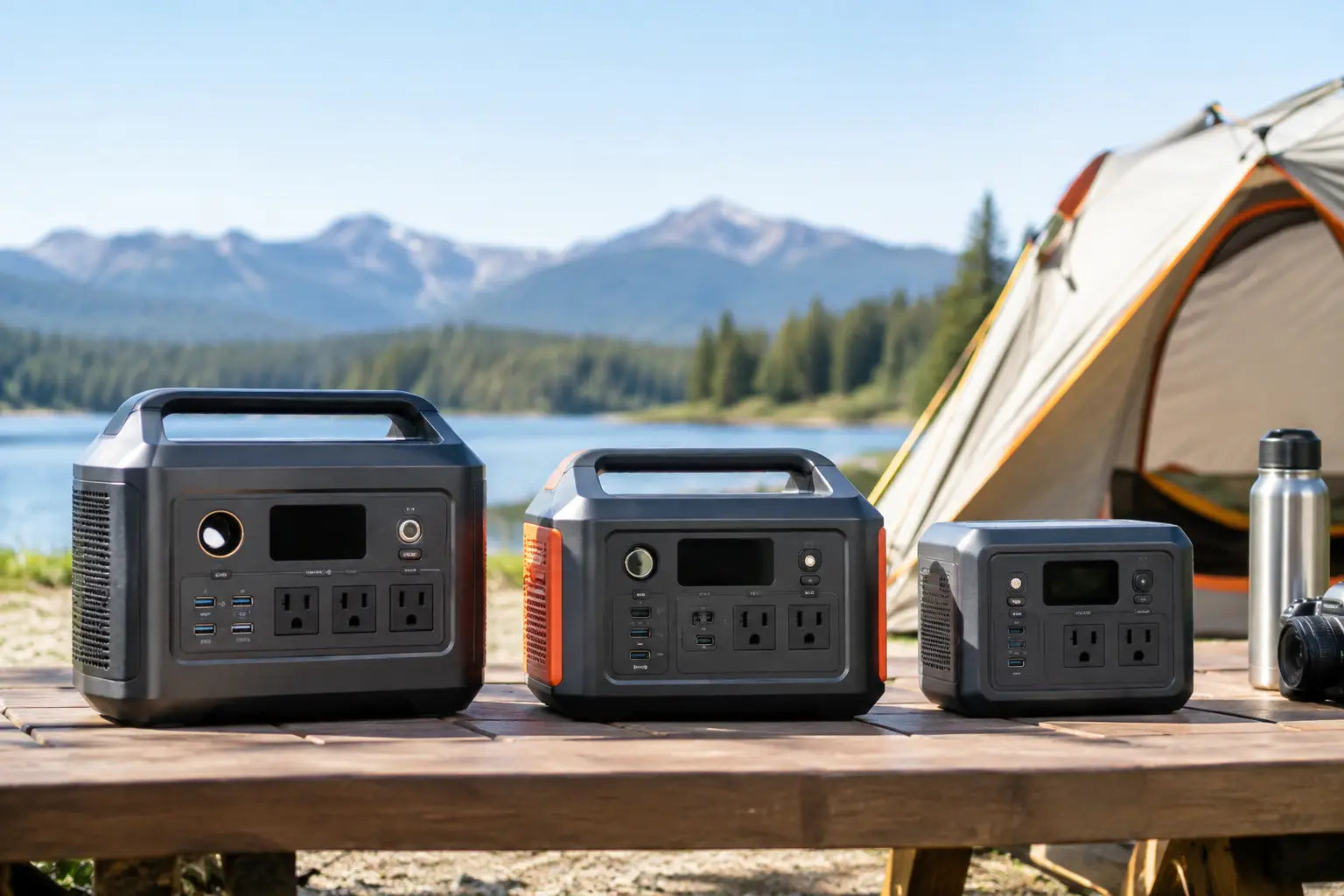
Battery life matters, but so does simplicity. Beginner gear should not require too much fiddling. Make sure you bring extra batteries or a charged backup power source if your lights are rechargeable.
If you are car camping for a weekend, a cooler is usually enough. Focus on size, insulation, and how often you will open it. A giant cooler sounds useful until it is heavy, hard to organize, and packed with half-melted ice by day two.
If you are camping in an area with wildlife concerns, proper food storage is not optional. Check the local rules before you go. In some areas, you may need a bear-resistant container or specific food-handling practices.
These are not survival items, but they do improve the experience fast. New campers tend to underestimate how much time is spent sitting around camp, eating, or organizing gear. A sturdy chair and some kind of table space make the site more functional.
This is also where car camping and backpacking split hard. For beginners heading to established campgrounds, comfort gear is usually worth bringing. If the goal is to get outside more, making camp feel easy is a smart move.
You do not need an entirely new wardrobe to go camping. You do need layers that handle changing weather. Start with moisture-wicking base layers, add an insulating mid-layer like fleece, and top it off with a rain jacket or wind-resistant outer layer.
Avoid cotton for cold or wet conditions if you can. Cotton gets damp, dries slowly, and can leave you chilled. That does not mean every cotton T-shirt is banned forever. It just means your main warmth and weather layers should be chosen with performance in mind.
Footwear depends on the trip. For a basic campground weekend, comfortable trail shoes or sturdy sneakers may be enough. If you expect mud, rough trails, or rain, lightweight hiking boots can be the better option. It depends on terrain, not image.
The best camping gear for beginners is not only the big-ticket stuff. A few compact items can solve a lot of problems.
A first aid kit is one. So is a basic multi-tool or knife. Pack matches or a lighter in a dry container, even if your stove has an ignition button. Bring a water jug or refillable bottles, plus a simple way to clean up dishes and hands at camp. Paper towels, trash bags, and wet wipes are not glamorous, but they earn their keep every trip.
A tarp or ground cloth can also be useful, though it depends on your tent and campsite conditions. Used correctly, it helps protect gear and keeps things cleaner. Used incorrectly, especially if it sticks out under your tent in the rain, it can actually collect water. That is a good example of beginner gear in general - the item matters, but knowing how to use it matters just as much.
If you are building a first camping kit on a budget, spend more on your tent, sleeping bag, and sleeping pad. Those directly affect comfort and weather protection. Save on cookware, camp furniture, and accessories until you know your habits.
For example, you may think you need a full camp kitchen setup, then realize you mostly cook simple one-pan meals. Or you may buy premium lanterns and discover a basic headlamp handles most of the job. Beginners do better when they leave room to learn before upgrading.
Affordable does not mean disposable, though. Reliable starter gear should hold up for multiple seasons of casual use. That is the sweet spot. Outdoor Up’s approach fits well here - practical gear, broad selection, and prices that make it easier to get fully outfitted without overcommitting to premium gear you may not need yet.
Start with the kind of camping you will actually do. If your first few trips are drive-up campgrounds with bathrooms nearby, build for that. Do not shop like you are heading into the backcountry for four days if you are really planning weekend campouts at a state park.
Renting or borrowing a couple of items can help, but only if it reduces uncertainty. If you already know you want to camp a few times this year, owning your basics is often more convenient. You can practice setting up the tent at home, test your stove, and pack in a way that makes the trip smoother.
The best approach is to buy your core setup first, use it, and then upgrade around your real experience. Maybe you learn you sleep cold and need a warmer bag. Maybe you realize a better chair matters more than fancy cookware. Let your trips shape your gear list.
Camping gets easier once your setup starts working for you instead of against you. Buy the essentials, choose comfort over unnecessary complexity, and give yourself a first trip with fewer hassles and more time to enjoy being outside.