Your Cart is Empty


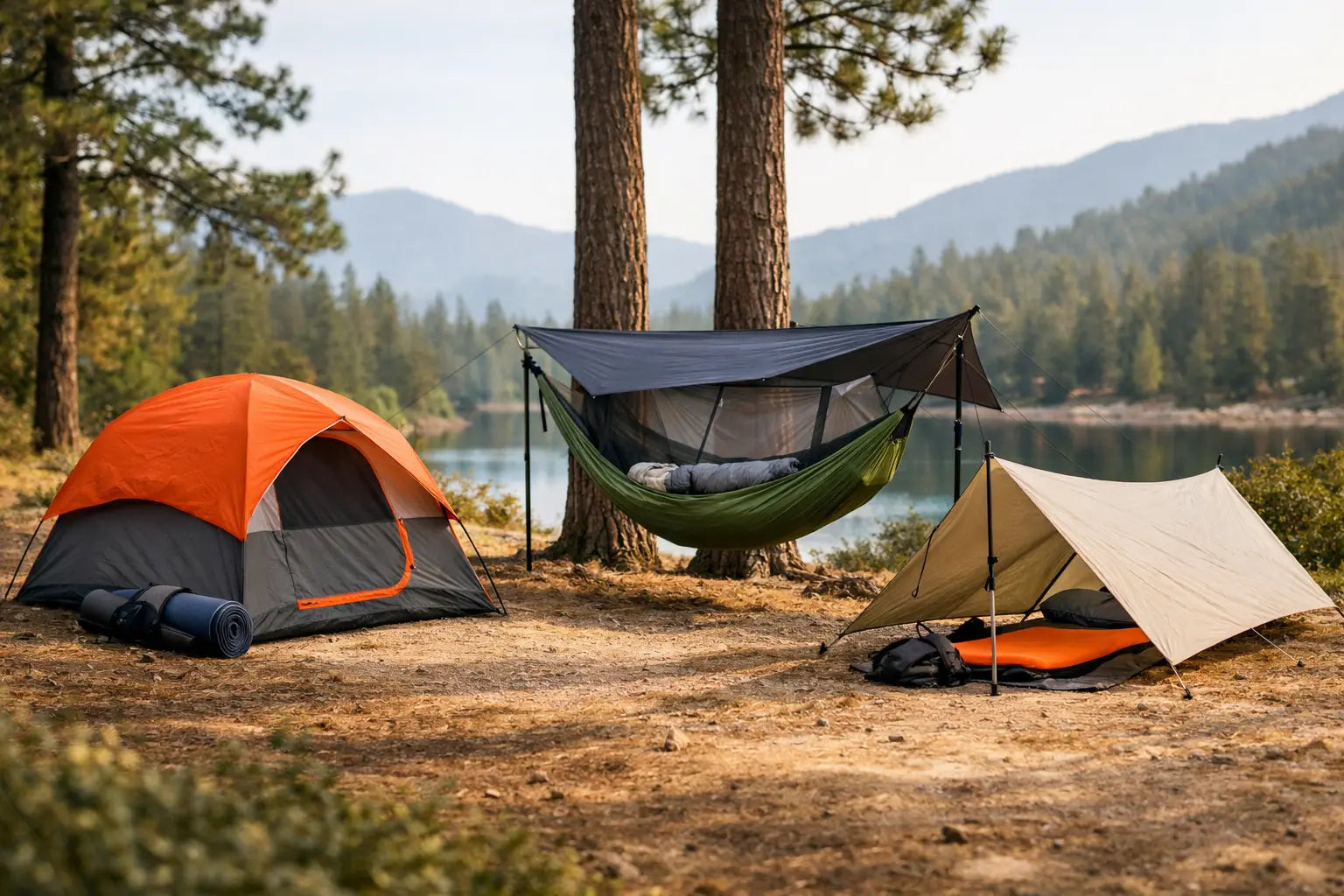

You feel it fastest at camp when the weather turns. A little wind picks up, the temperature drops after sunset, or a light forecast turns into steady rain. That is usually the moment people stop asking what shelter do I need for camping and start wishing they had picked better. The right shelter is not about buying the biggest tent or the most expensive setup. It is about matching your sleep system to the trip, the season, and how much comfort you actually want.
For most campers, the answer starts with a tent. But not every camping shelter works the same way, and not every trip asks for the same kind of protection. A weekend at a developed campground is different from a walk-in site, a hunting camp, or a fast summer overnighter. If you want to stay dry, sleep better, and avoid hauling extra gear you do not need, it helps to choose shelter by use case instead of by marketing label.
Before you compare sizes and materials, think about where you are sleeping and what the conditions will be. A shelter for car camping can be heavier, taller, and more comfort-focused because you are not carrying it far. A shelter for backpacking or hike-in sites needs to be lighter and easier to pack, even if that means less headroom and fewer extras.
Weather matters just as much as distance. Warm, dry summer nights give you more flexibility. Cold weather, shoulder-season wind, and rainy forecasts shrink your margin for error. If bugs are heavy, open tarp setups and some hammocks become less appealing unless you add more components. If the ground is rocky or uneven, freestanding tents become more attractive because they are simpler to pitch where staking is tough.
The big idea is simple: the shelter you need is the one that handles the worst likely conditions of your trip without making camp harder than it needs to be.
If you are new to camping, a tent is usually the safest pick. It gives you full coverage from rain, wind, bugs, and overnight temperature swings in one setup. It is also the easiest format to understand. Pitch it, stake it, add a rainfly, and you have a clear sleeping space that works for most campgrounds and most first-time trips.
For car camping, cabin-style and dome tents both make sense, but they serve different priorities. Cabin tents give you more vertical space and a roomier feel, which is great for families, longer stays, and anyone who wants to change clothes without doing yoga in a corner. Dome tents usually handle wind better and can be quicker to set up, especially in smaller sizes.
Size deserves a reality check. A four-person tent usually sleeps four people tightly, not comfortably. If you want room for duffels, dog beds, or simply not brushing shoulders all night, sizing up is often the smarter move. Two people usually camp more comfortably in a three- or four-person tent, especially on multi-night trips.
If you camp mostly in fair weather, a basic three-season tent is enough. That covers spring, summer, and fall conditions for most recreational campers in the US. You do not need a heavy-duty winter tent unless you are heading into snow, severe wind, or true cold-weather conditions.
Tarps are simple, flexible, and often overlooked by campers who assume more fabric always means more protection. In the right conditions, a tarp is a smart shelter choice. It is light, packs small, and can create shade, rain cover, or a minimalist sleep setup without much weight or cost.
That said, a tarp is usually better for experienced campers or for very specific trips. It gives less bug protection unless you pair it with a bivy or netting. It also depends more on your campsite and your setup skills. A tarp pitched badly in wind or rain can feel a lot less forgiving than a tent.
Where tarps shine is warm-weather camping, backup shelter use, group camp coverage, and budget-friendly versatility. They are also excellent as an add-on. Even if you sleep in a tent, a tarp over a cooking or seating area can make camp much more usable in rain or strong sun.
If your question is what shelter do I need for camping in mild weather and you want a lightweight, affordable option, a tarp can absolutely be enough. Just be honest about your comfort level and the forecast.
Hammock camping has real advantages. It gets you off wet or uneven ground, packs down small, and can be surprisingly comfortable once you dial in the setup. In hot weather, airflow under and around the hammock can also feel a lot better than sleeping in a tent.
The catch is that a hammock system is not just a hammock. For most camping trips, you also need suspension straps, a rain tarp, and some kind of bug net if insects are active. In cooler weather, you may need under-insulation too, because heat loss underneath can get uncomfortable fast.
You also need the right campsite. No trees, no hammock. Some campgrounds have rules about where you can hang one, and sparse desert or open terrain can make the whole setup impractical.
A hammock is a strong option for solo campers, warm-weather trips, and wooded areas where ground conditions are poor. It is not the easiest all-around answer for every beginner, but for the right camper it becomes a favorite fast.
If you camp out of a vehicle, your shelter options open up. Ground tents still work, but truck-bed tents, SUV tailgate shelters, and rooftop tents can add convenience depending on how you travel.
Truck-bed tents are useful when you want to stay off the ground and keep a compact footprint. They make sense for short stays, fishing trips, hunting camps, and quick overnighters where speed matters. The downside is limited space and less flexibility if you need to drive somewhere after setup.
SUV and hatchback shelters can create useful covered space for sleeping or gear storage, especially at developed sites. Rooftop tents offer speed and elevation, but they are usually a higher-cost solution and not necessary for casual campers who can get similar sleep quality from a good ground setup.
For many practical buyers, a standard tent still offers more value. Vehicle-based shelters make the most sense when they match how you already camp, not just because they look convenient online.
A lot of shelter mistakes come from shopping too far ahead of real need. If you mostly camp in summer at established sites, you do not need expedition-grade gear. What you need is reliable weather protection, decent ventilation, and enough room to sleep comfortably.
If you plan to extend into spring and fall, pay closer attention to rainfly coverage, bathtub floors, and the tent’s ability to handle stronger wind. Full rainfly coverage usually performs better in bad weather than minimalist designs that leave large parts of the tent body exposed.
Ventilation matters too. A fully enclosed shelter that traps condensation can leave you damp even without rain. Mesh panels, good airflow, and a rainfly design that balances coverage with breathability make a real difference.
Comfort level is personal. Some campers are happy with a tight minimalist setup if it saves weight and money. Others sleep better with more floor space, more headroom, and a shelter that feels less cramped after dark. Be honest about which kind of camper you are. Better adventures usually start with better sleep.
If you want the shortest route to a smart decision, start here. For most beginners and most car campers, a three-season tent is the right answer. It gives the broadest protection with the fewest setup variables. If you camp with a partner, size up one category from the listed capacity. If you camp with kids, lean toward cabin-style space and easy entry.
Choose a tarp if you want lightweight flexibility, already know basic shelter setup, or need extra covered living space at camp. Choose a hammock if you camp solo in wooded areas and want comfort off the ground. Choose a truck or SUV shelter if vehicle-based camping is already your normal style and you value speed and compact setup.
Price matters, but this is one category where going too cheap can cost you comfort fast. Leaky seams, weak poles, poor ventilation, and awkward pitching tend to show up when the forecast gets ugly. A dependable shelter does not have to be premium-priced, but it does need to be built for real use. That is where a broad gear selection from a retailer like Outdoor Up can help you compare what actually fits your trip instead of guessing from one-size-fits-all advice.
The best camping shelter is not the flashiest one. It is the one that lets you shut out the weather, get some real sleep, and wake up ready to make the most of the trip.