Your Cart is Empty


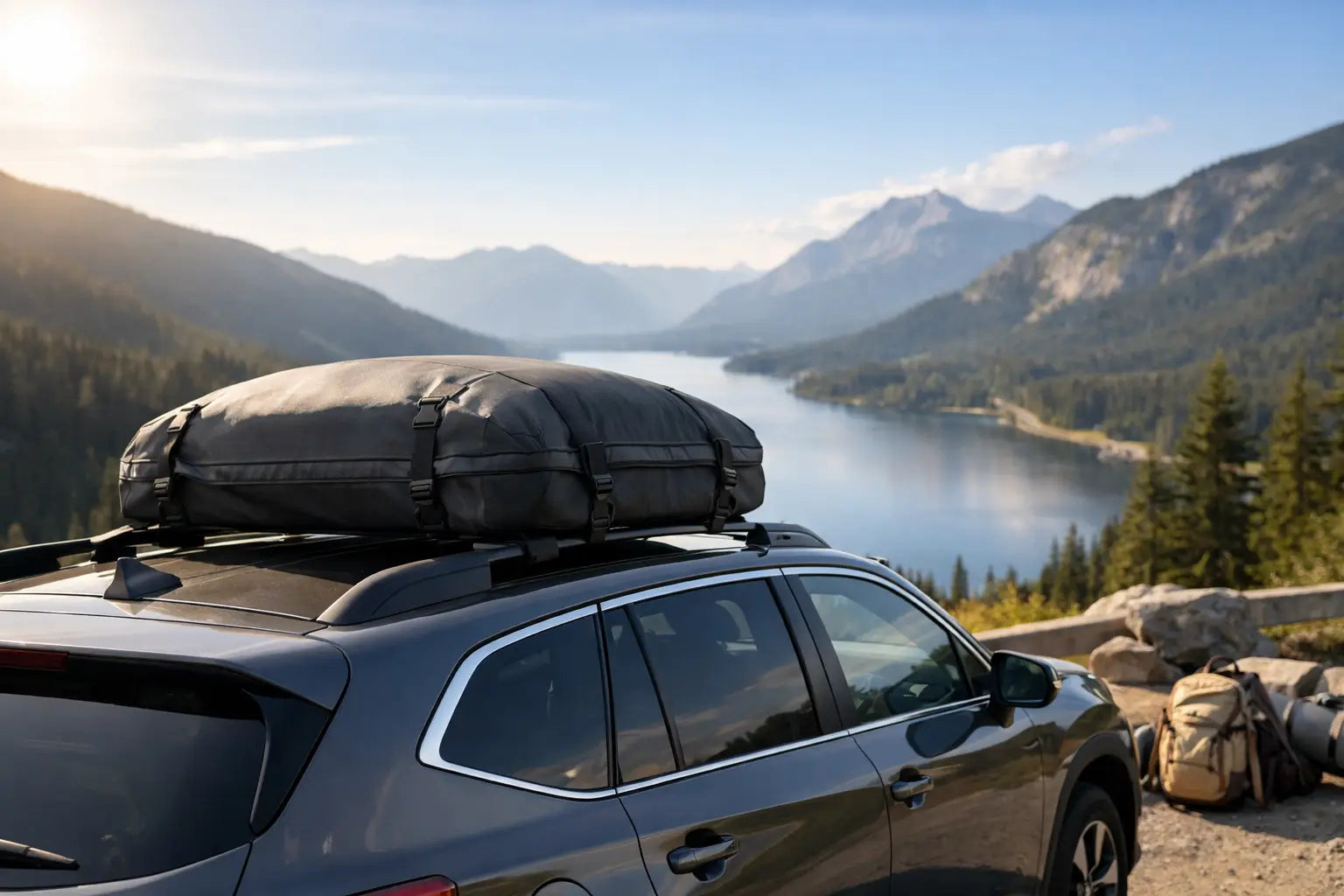

The truck is packed, the cooler is full, and there is still a tent, camp chairs, and a duffel bag sitting in the driveway. That is when the best rooftop cargo carrier earns its place. It frees up room inside the vehicle, keeps muddy boots and bulky camp gear out of the cabin, and helps your crew leave with what they actually need for the trip.
A rooftop carrier is not a one-size-fits-all purchase. The right choice depends on your vehicle, your roof setup, how often you travel, and whether your weekends involve dry highway miles, rain-soaked campsites, or both. Start with the gear you carry, then choose a carrier built to handle it.
The best carrier is the one that fits your roof securely, protects your gear from the weather, and gives you enough usable space without making every drive louder, harder, or less fuel-efficient. Bigger is not automatically better. An oversized box can be difficult to load, limit garage clearance, and create more wind resistance than a smaller carrier that fits your real needs.
For most outdoor travelers, capacity, weather protection, mounting style, and roof compatibility matter more than flashy features. A good carrier should feel like practical extra storage, not another piece of equipment you have to fight with before every trip.
Before comparing cargo boxes and bags, check your vehicle owner's manual for its dynamic roof weight rating. This is the maximum weight your roof can carry while driving. It includes the carrier itself, crossbars or roof rack, and every piece of gear inside.
Also confirm what is already on your roof. Many vehicles have factory side rails but no crossbars. A rooftop cargo carrier generally needs properly rated crossbars unless it is designed for a specific rail system. Crossbar spread matters, too. A long carrier may not mount safely if the bars sit too close together.
Do not use the roof's static weight capacity as your driving limit. A roof may support more weight while parked than it can safely handle at highway speed. Load within the lower, driving-specific rating.
Cargo carrier capacity is usually measured in cubic feet. A compact carrier around 10 to 14 cubic feet can work well for a couple heading out for a weekend, especially if it carries sleeping bags, soft duffels, and lightweight camp gear. Families and longer trips often need 16 to 22 cubic feet or more.
Think about shape as well as stated volume. Long, narrow carriers are useful for tents, fishing rods in protective cases, or skis. Wider boxes are better for sleeping bags, camp chairs, and duffels. Soft bags are flexible, which helps when your load is an awkward mix of gear, but they do not protect fragile items as well as a hard shell.
A simple test helps: gather the gear you expect to carry outside the cabin on your next two or three trips. Measure the pile, not just the biggest item. That gives you a more realistic picture of the carrier size you need.
This decision comes down to protection, convenience, storage space at home, and budget. Both styles can be a smart fit when matched to the right kind of traveler.
Hard rooftop boxes are built for frequent travel and long-term use. Their molded shells offer dependable protection against rain, road spray, dust, and sun. Many lock, which adds peace of mind when you stop for food, fuel, or an overnight stay.
They are also easier to load because the shape stays open while you organize gear. A dual-side opening box can be especially convenient on a tall SUV or when your vehicle is parked close to another car. Better aerodynamics can reduce wind noise compared with a loosely packed bag, although any carrier can affect fuel economy.
The trade-off is cost and storage. Hard boxes typically cost more, take up substantial garage space when not in use, and can be heavy or awkward for one person to install. They are a strong choice for frequent campers, road trippers, and families who want ready-to-go storage through every season.
Soft rooftop cargo bags are a practical option for occasional trips, tight budgets, and homes without room to store a large box. Most fold down into a compact package when empty. Their flexible walls let you pack bulky, soft gear that might not fit neatly inside a rigid carrier.
Look for heavy-duty, water-resistant material, covered zippers, reinforced tie-down points, and a non-slip protective mat. A quality bag can handle wet weather well when it is packed and secured correctly, but it is not the best place for electronics, camera gear, or anything that cannot tolerate moisture.
Soft bags also need more attention during loading. Avoid sharp corners, overstuffing, and loose straps that can flap in the wind. If your roof has no side rails or crossbars, only use a bag specifically designed and approved for bare roofs. Never improvise attachment points with weak straps or open windows.
A carrier's feature list can be long, but a few details make a noticeable difference when you are packing before sunrise or unloading in the rain.
Water protection should be near the top of the list. For hard boxes, inspect the lid overlap and seal design. For bags, choose weatherproof fabric and zipper flaps, then pack clothing and bedding inside their own dry bags as an extra layer of protection.
Security matters when your gear will be unattended. Locking hard boxes offer the most straightforward protection. A soft bag may use lockable zipper pulls, but its fabric construction is not designed to stop a determined thief. Keep valuables inside the vehicle whenever possible.
Opening access can save frustration. A box that opens from both sides lets you load from the safer side of the vehicle, away from traffic. For a rear-opening carrier, make sure it will not interfere with your liftgate, hatch, or roof-mounted antenna.
Low-profile mounting hardware is another useful feature. Easy-to-reach clamps and clear tightening indicators make installation faster and help you confirm the carrier is secure. If you remove your carrier often, that convenience is worth considering.
How you pack a rooftop carrier affects handling, wind noise, and safety. Keep heavy items low and centered inside the vehicle whenever you can. Roof carriers are best for lighter, bulky equipment: tents, sleeping pads, clothing, camp chairs, life jackets, and soft-sided gear.
If you must place heavier items on the roof, stay within the roof rating and position the weight as low and centered as the carrier allows. Do not overload one side. An uneven load can make the vehicle feel less stable in crosswinds and turns.
Keep the lid or bag from bulging. A hard box needs room for its lid to close and latch fully. A soft bag needs enough space for its weather flap to cover the zipper and for its straps to tighten without crushing the material. Loose gear shifts, and shifting gear makes noise and can strain mounting hardware.
After the first 10 to 20 miles, pull over somewhere safe and inspect the carrier. Check straps, latches, clamps, and crossbars. Do the same at fuel stops, especially after rough roads, heavy rain, or strong winds.
A loaded roof carrier changes your vehicle height. Measure from the ground to the highest point of the carrier, then write that number down. Garage doors, hotel parking decks, drive-throughs, trailhead entrances, and campground awnings can all become a problem when you forget what is overhead.
It also changes how the vehicle feels on the road. Expect some reduction in fuel economy and more sensitivity to side winds. Drive a little slower, leave extra braking distance, and take turns smoothly. That is especially true when towing a trailer or driving an RV-based adventure rig.
For long highway trips, a streamlined hard box usually offers the better experience. For a few seasonal camping trips and flexible storage at home, a well-made soft bag can be the smarter value. The right call is not about buying the most expensive option. It is about choosing storage that supports the way you get outside.
A rooftop cargo carrier should make departure day easier, not turn it into a packing puzzle. Match the carrier to your roof rating, choose a size you can load safely, and reserve it for the lighter, bulkier gear that crowds the cabin. With the right setup, there is more room for passengers, more comfort on the road, and fewer reasons to leave useful gear behind. Gear up, secure the load, and head for the next campsite, boat ramp, or trailhead with confidence.