Your Cart is Empty


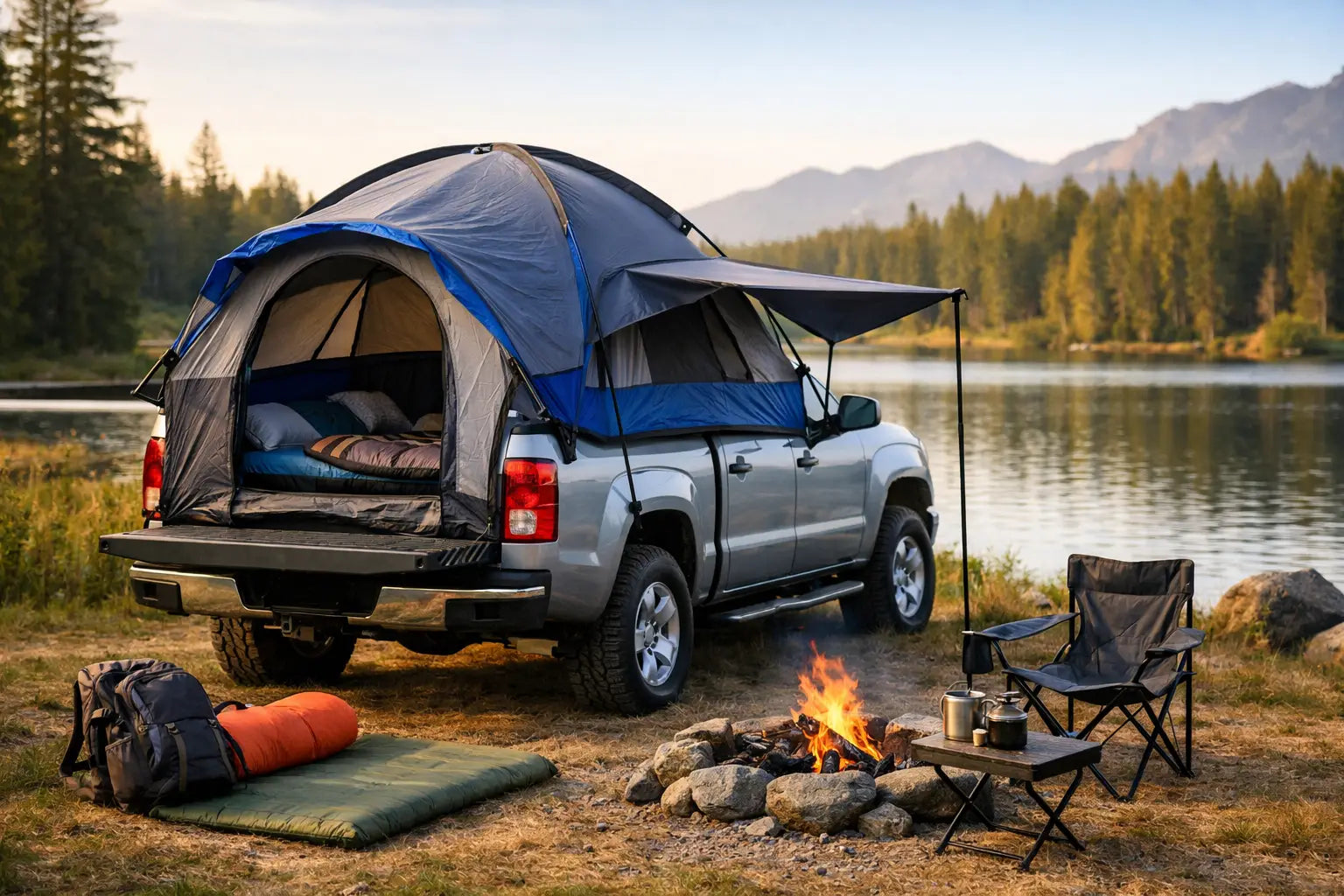

A truck already gets you farther down rough roads, carries the cooler, and keeps muddy boots out of the cab. Add one of the best truck bed tents, and it can also give you a dry, elevated place to sleep without towing a camper or searching for level ground.
Truck bed camping is a smart fit for anglers chasing an early launch, hunters setting up near public land, and weekend campers who want a fast basecamp. The right tent comes down to your truck’s bed length, how often you camp, the weather you expect, and whether quick setup or all-season toughness matters more.
A good truck bed tent should do more than fit inside the box. It needs to stay secure in wind, keep rain from finding its way through the seams, and leave enough usable room for sleeping gear. Most use color-coded poles and straps that anchor around the truck bed, while their raised floor position helps keep you above wet, rocky, or uneven campsites.
Start with fit. Some tents are built for specific bed lengths, while others cover a wider range. Measure the inside length of your truck bed with the tailgate closed, then compare that number with the manufacturer’s fit chart. A tent that is technically close enough can still create slack fabric, awkward door placement, or poor weather protection.
Material is the next big decision. Polyester tents are lighter, pack smaller, and usually cost less. Heavy canvas tents weigh more and take longer to dry, but they are a strong choice for regular campers who need better durability and breathability in changing conditions. Neither is automatically better. A few fair-weather weekends each year call for a different setup than hunting trips in cold, wet fall weather.
The Napier Backroadz is a practical starting point for campers who want a dedicated truck tent without spending heavily on a premium build. Its full floor design covers the bed, which is useful for protecting sleeping pads and bags from dirty truck beds. Large windows and a rear access door help it feel less boxed in than a basic shelter.
This is a strong pick for family campground trips, fishing weekends, and casual overnights. Be prepared to take your time on the first setup. As with most pole tents, a practice run in the driveway makes a major difference once you arrive after dark.
Rightline Gear truck bed tents appeal to campers who value a compact packed size and straightforward, weather-focused design. Many models use a floorless configuration, allowing the truck bed itself to serve as the tent floor. That can make cleanup easy after a muddy trip and gives you access to built-in bed storage.
The trade-off is comfort. You will want a thick sleeping pad or truck-bed air mattress, especially if your bed has exposed tie-down points or a ribbed metal floor. For campers who already use bed mats or liners, the floorless design can be a simple, functional option.
For serious durability, the Kodiak Canvas truck bed tent stands out. Its Hydra-Shield canvas construction is made for campers who spend more nights outside and do not want to pack up when the forecast turns questionable. Canvas also breathes well, helping reduce the clammy feeling that can build inside synthetic tents overnight.
This is not the lightest or least expensive route. It takes more storage space and requires proper drying before long-term storage. But for hunters, overland travelers, and frequent campers, the stronger fabric and sturdy frame can be worth the added weight. Think of it as a long-term piece of camp equipment, not a once-a-summer shelter.
The Napier Sportz line is built for campers who want more room and more features around the truck bed. Select versions connect to a ground-level screen room, giving you a sheltered place to change clothes, stash chairs, or wait out a passing shower. That added living space is especially helpful when two people and a dog are sharing a compact pickup bed.
The larger footprint is the key consideration. This tent works best at established campsites where you have room beside the truck. If your trips often involve tight trailhead parking, small dispersed sites, or overnight stops, a simpler truck-bed-only tent may be the better call.
Guide Gear truck tents are often a good value choice for campers who want elevated sleeping space and basic coverage at an accessible price. They typically offer a roomy interior, mesh ventilation, and a straightforward pole structure that suits occasional use.
This category makes sense when you are testing truck-bed camping for the first time or need a shelter for a few trips each season. Check the included stakes, straps, and seam sealing before heading out. Budget-friendly tents can perform well, but a little preparation helps them deliver their best in rain and wind.
FOFANA truck bed tents focus on a clean, pickup-specific setup with useful convenience features such as interior storage pockets and access points that make it easier to organize camp gear. For the camper who likes a tidy setup, details like these matter. Headlamps, keys, phones, and maps are easier to find when they are not lost under a sleeping bag.
This style is a good fit for weekend road trips and campground stays where comfort matters as much as speed. Before buying, confirm how the tent works with your tonneau cover, bed rails, or cargo rack. Some accessories need to be removed for the tent to mount and seal correctly.
When temperatures drop and trips get longer, a heavier canvas truck bed tent can be the best choice even if it is not the fastest setup. The fabric’s strength, better wind resistance, and reduced condensation can make cold mornings more manageable. Pair it with an insulated sleeping pad, a temperature-rated sleeping bag, and a bed mat beneath your gear.
Do not confuse a tough tent with a heated shelter. Never run a propane heater, charcoal grill, or vehicle engine to warm an enclosed tent. Ventilation and safe sleep systems beat risky shortcuts every time.
Fit is non-negotiable, but bed height and truck configuration matter too. A tent made for a full-size truck may not sit correctly on a midsize pickup, even if the listed bed length seems similar. Confirm whether the tent fits with a tailgate up or down, and check whether it accommodates flareside beds, utility tracks, or factory tie-down systems.
Next, consider your typical campsite. If you park at maintained campgrounds, a larger tent with a screen room can add comfort. If you move camp often, fish multiple spots in a weekend, or arrive late, prioritize a lighter tent with a fast, uncomplicated setup. Your best shelter is the one you will actually use.
Weather features deserve close attention. Look for a full rainfly, taped seams, covered windows, strong pole connections, and enough guy-out points to stabilize the tent. Mesh panels are valuable in summer, but they should close securely when wind or rain moves in. A tent’s stated waterproof rating is only part of the picture. Proper setup, tight straps, and correct rainfly placement matter just as much.
Comfort comes from the sleep system underneath you. Truck beds are durable, not naturally soft. A quality foam pad or air mattress, a fitted sheet, and a sleeping bag matched to the forecast will do more for a good night than choosing the largest tent alone. Keep a small camp light and your essentials in overhead pockets so you are not climbing in and out after lights-out.
Set up your tent once at home before the first trip. Learn which pole goes where, adjust the straps, and identify anything that rubs against sharp bed edges. Clean out gravel, tools, and loose hardware, then add a bed mat or protective layer if needed. This small test helps prevent the classic campsite problem: sorting through poles in the dark while rain starts falling.
At camp, park with the truck as level as possible and orient the door away from the strongest wind. Do not over-tighten straps to the point that fabric or seams strain. Once the tent is up, check the rainfly, close unused windows before bed, and keep food secured outside the sleeping area according to local wildlife rules.
A truck bed tent turns the vehicle you already own into a ready-to-roll campsite. Choose for the trips you really take, practice your setup, and keep a dependable sleep system packed nearby. When the weather clears and the road opens up, you will be ready to get outside more.