Your Cart is Empty


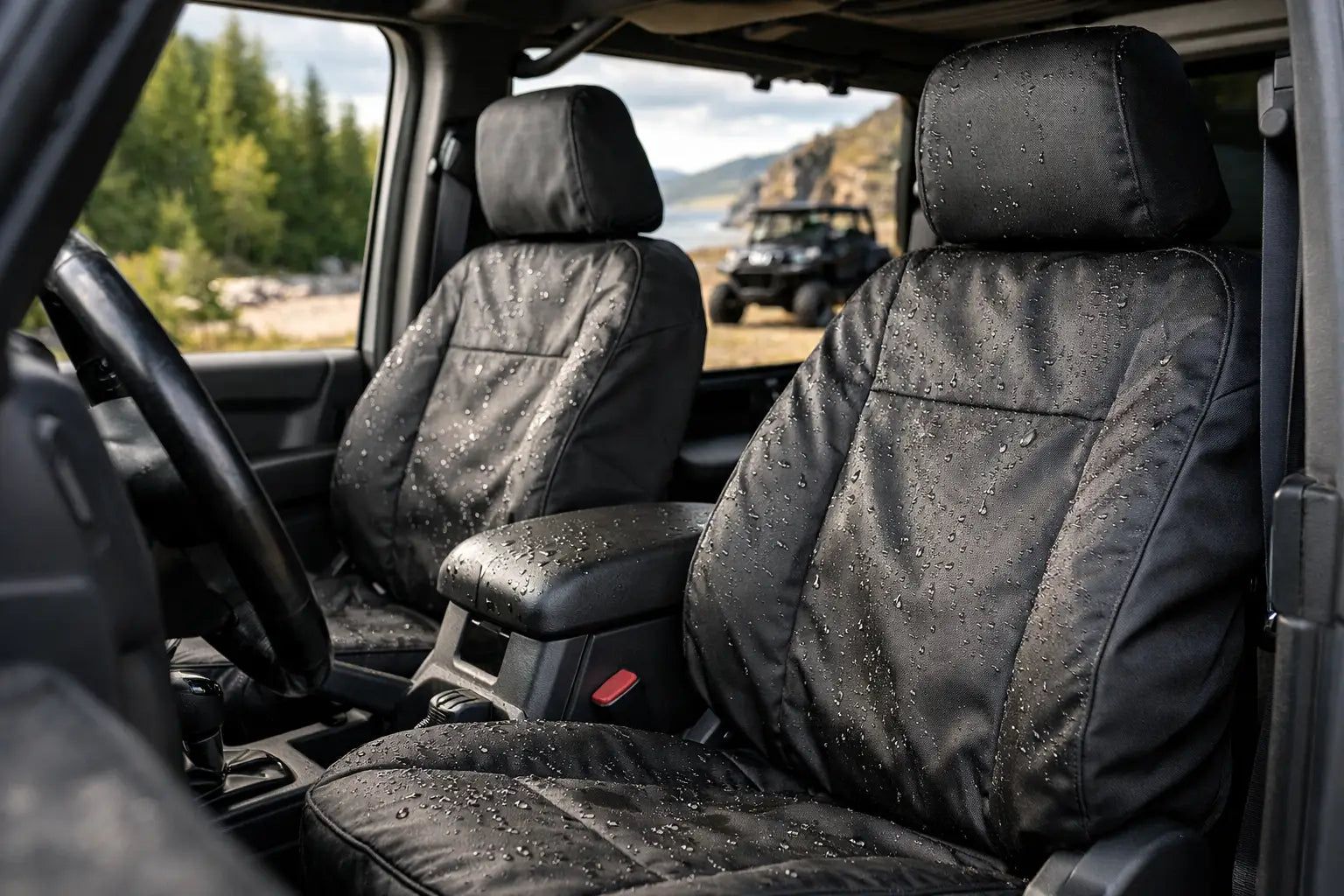

A wet dog after a lake day, muddy waders after a morning hunt, and damp swimsuits after an afternoon on the boat can do real damage to factory upholstery. The best waterproof seat covers give your truck, SUV, or work vehicle a dependable layer of protection without making every drive feel like you are sitting on a tarp.
For outdoor people, seat covers are not just a cosmetic upgrade. They help protect resale value, simplify cleanup, and keep your vehicle ready for the next fishing trip, campground run, trail ride, or boat launch. The right choice depends on what gets into your cab, how often it happens, and whether you need a precise fit or flexible coverage you can move between vehicles.
A truly useful waterproof seat cover has to do more than repel a few raindrops. It needs a waterproof barrier that stops water, mud, pet messes, spilled drinks, and damp gear from soaking through to the original seat fabric. It should also stay in place when you climb in with boots on, shift around on rough roads, or load up after a long day outside.
Materials matter. Neoprene-style covers are popular because they feel soft, add some cushion, and handle water well. They are a strong option for daily drivers that regularly see beach towels, kids, pets, and wet fishing gear. Heavy-duty polyester or canvas covers are often better for hunting trucks, farm vehicles, and work rigs because they resist abrasion and stand up to rough use. PVC-backed covers can offer excellent water protection, though they may feel warmer or less breathable on long drives.
Fit matters just as much as fabric. Custom-fit covers follow the shape of a specific vehicle seat and usually look closer to factory upholstery. Universal covers cost less and can work across multiple vehicles, but they may shift, bunch up, or leave parts of the seat exposed. For a vehicle you use every day, a vehicle-specific fit is usually worth considering. For occasional protection during a messy trip, a universal option can be the smarter value.
The best cover for a weekend angler is not always the best one for a hunter hauling dogs or an RVer traveling cross-country. Start with the mess, then match the cover to the job.
Water is the obvious problem, but it is rarely clean water. Lake spray, sand, fish slime, sunscreen, and wet life jackets can all end up on your seats. Look for waterproof covers with a smooth, wipeable surface and secure straps that will not slide when passengers climb in wearing wet clothes.
If you spend a lot of time at the boat ramp, pay attention to seat-bottom coverage. Water tends to pool where the backrest meets the cushion, and a cover with a weak seam or open edge can let moisture through. A cover that removes quickly is also useful when you want to rinse off sand and let it dry between outings.
Hunters and dog owners need more abrasion resistance than the average commuter. Claws, burrs, muddy paws, shells, tools, and sharp-edged gear can wear through thin covers fast. Heavy-duty canvas, reinforced polyester, or rugged nylon blends are a better match for these conditions.
A full rear-seat bench cover can be especially useful when dogs ride in back. Choose one with non-slip backing and anchors that keep it from sliding forward. If your dog rides in a crate, protect the cargo area too. A seat cover cannot help much if wet, muddy gear is rubbing directly against the carpet behind it.
Camping trips create a different kind of mess: dust, snack crumbs, spilled coffee, damp jackets, and gear that gets packed before it has fully dried. A softer waterproof cover can make sense here because you may spend hours behind the wheel. Look for padding, breathable fabric panels, and pockets if you want easy access to maps, headlamps, wipes, or a small first-aid kit.
For road-trip vehicles, do not overlook access to seat functions. Some covers block fold-down armrests, seat-back pockets, or split rear seats. If your SUV regularly switches from passengers to cargo mode, make sure the cover works with that layout before you buy.
Custom-fit seat covers are built around your vehicle's seat shape, headrests, armrests, and seatbelt openings. They generally install more securely, look cleaner, and provide better overall coverage. They are a strong choice for newer trucks and SUVs where you want protection without losing the appearance of the interior.
Universal waterproof covers are faster to shop for and often easier on the budget. They work well as temporary protection after a wet day at the lake, during hunting season, or in a vehicle that sees many different jobs. The trade-off is coverage and stability. A loose cover can shift under you, interfere with seat controls, or leave vulnerable areas exposed.
There is also a middle ground: semi-custom covers designed around common seat styles. These can offer better coverage than a basic universal model without the price of a fully tailored set. For practical outdoor use, that balance can be a solid win.
Before choosing waterproof seat covers, confirm that the design works with your vehicle's safety and convenience features. Side airbags, seat-mounted controls, heated seats, seatbelts, and adjustable headrests all need proper clearance. Covers should be clearly designed to accommodate side airbags where applicable. Never force a cover over a seat area that is meant to deploy an airbag.
Also check whether the cover protects the whole seat or only the face of the cushion and backrest. Front-seat covers should cover high-contact areas, while rear-seat covers may need openings for split-fold seats, cup holders, center armrests, or child-seat anchors. Small compatibility details make a big difference once you are loading coolers, passengers, and gear.
Color is another practical decision. Black and charcoal hide grime well, but they can heat up in direct sun. Tan, gray, and camo patterns can better match an outdoor vehicle interior, though lighter colors may show mud sooner. If your truck spends long days parked at a trailhead or boat ramp, comfort in hot weather may be worth more than perfect dirt concealment.
Even the best waterproof material will not do its job if the cover is installed loosely or backward. Follow the strap routing carefully, secure the under-seat anchors, and check that seatbelt buckles and adjustment controls remain easy to reach. After installation, sit in the seat and move around. If the cover slides, tighten it before your next drive.
Clean covers before dirt has time to dry into the fabric. Shake out sand and debris, wipe smooth waterproof surfaces with mild soap and water, and use a soft brush on canvas-style materials when needed. Avoid harsh cleaners unless the manufacturer specifically approves them. Strong chemicals can weaken water-repellent coatings and leave the material brittle over time.
After a rain-soaked trip, remove the cover when possible and let both the cover and the original seat air out. Waterproof does not always mean breathable. Trapped moisture between the cover and upholstery can create odors, especially in humid weather or vehicles that stay closed up for days.
Seat covers work best as part of a simple vehicle-protection setup. Keep a cargo liner or waterproof mat for coolers and muddy boots, carry a few microfiber towels for quick cleanup, and do not leave wet waders or swimsuits in the cab longer than necessary. Those small habits help your interior stay ready for passengers as well as gear.
Outdoor Up shoppers do not need luxury upholstery to protect. A dependable cover makes any truck, SUV, or adventure rig easier to use the way it was meant to be used. Pick protection that matches your real conditions, install it securely, and head out knowing a little mud or water will not end the trip early.