Your Cart is Empty




A cooler can make or break a long day outside. Warm drinks, soggy sandwiches, and melted ice are a fast way to take the edge off a fishing trip or campground weekend. In the hard cooler vs soft debate, the right answer comes down to how far you are going, what you are packing, and how long it needs to stay cold.
A hard cooler is built for capacity, extended ice retention, and rough conditions. A soft cooler is made for mobility, quick trips, and carrying cold food or drinks without adding a bulky piece of gear to the load. Neither is automatically better. Pick the one that matches the adventure instead of buying more cooler than you need.
Think about the trip before comparing features. A hard-sided cooler makes sense when you are car camping for several nights, spending a full day offshore, hauling food for a group, or setting up at a tailgate. It has the structure and insulation to handle a heavier load and stay put in a truck bed, boat, RV, or campsite.
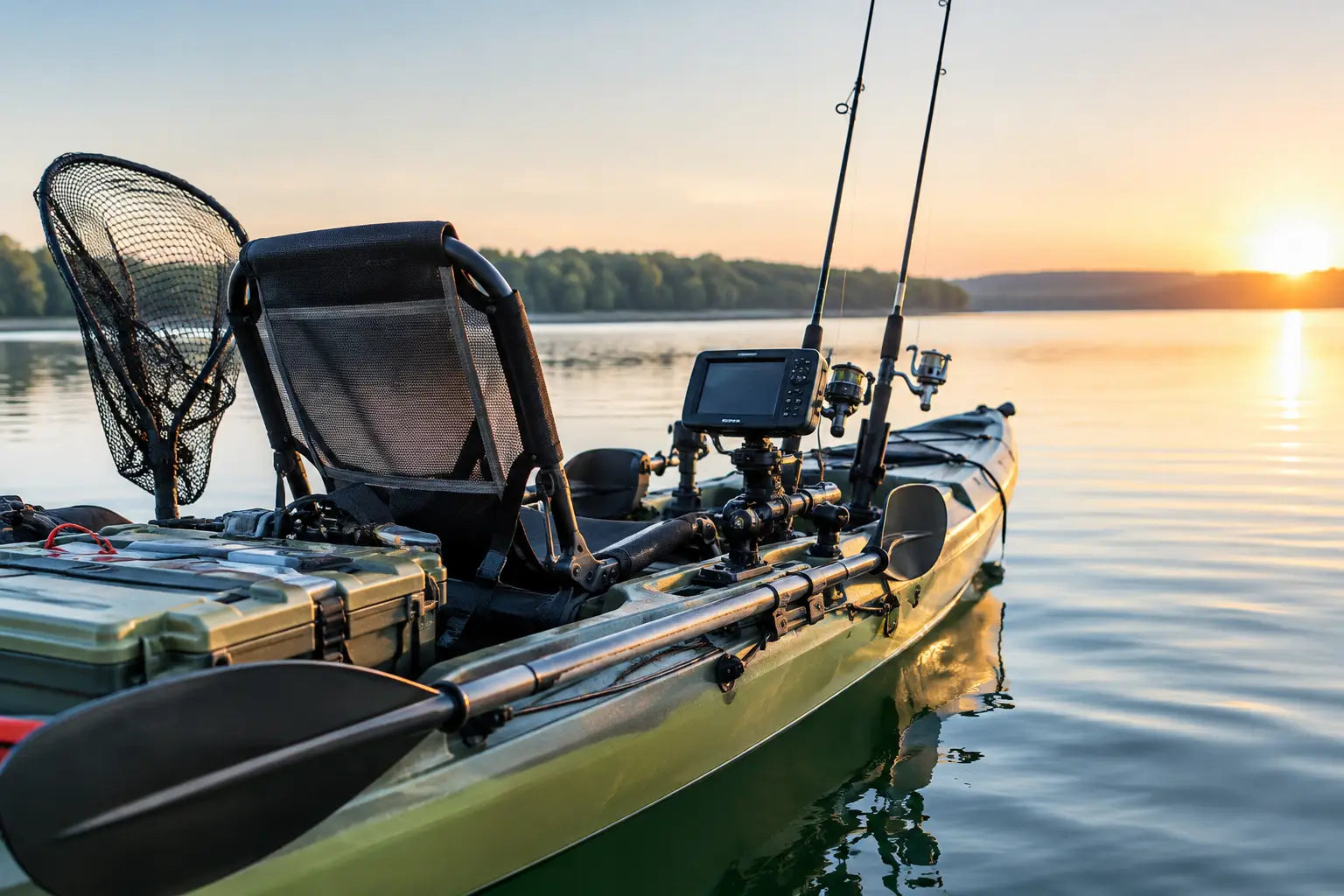
A soft cooler earns its place when you are walking to the beach, paddling to a fishing spot, hiking to a picnic area, or carrying lunch from the truck to the blind. It is easier to grab, lighter when empty, and far less awkward in tight spaces. For a couple of drinks and a meal, a large hard cooler can feel like overkill.
The simplest rule is this: choose hard for base camp and all-day storage. Choose soft for movement.
Hard coolers use a rigid shell, thick insulation, and a secure lid to slow heat transfer. Better models often include sealing gaskets, sturdy latches, tie-down points, drain plugs, and molded handles. Those details matter when the cooler is exposed to sun, bouncing around in a boat, or sitting outside for days.
If you need ice to last through a weekend or longer, a hard cooler is usually the stronger option. Its thicker walls and lid help it hold temperature better than a soft-sided model. Actual ice life still depends on outside temperature, how often you open it, how much ice you use, and whether you pre-chill the cooler before loading it.
For camping food, game-day drinks, or a full fishing crew, pack with block ice or large cubes and keep the lid closed as much as possible. Separate food and drinks when you can. A drink cooler gets opened constantly, while a food cooler needs steady cold to protect perishables.
Hard coolers are available in sizes that can feed a family, stock an RV, or hold a serious catch. Their boxy shape makes them easier to organize with ice, beverages, meal containers, and dry goods in sealed bags. Some also double as a camp seat, casting platform, or flat prep surface.
That structure is valuable, but it comes with a trade-off. Once loaded with ice and drinks, even a mid-size hard cooler may require two people to carry safely. Measure the cargo space in your vehicle or boat before choosing a large model. The best cooler does no good if it will not fit where you need it.
Hard coolers are the dependable choice for bumpy roads, boat decks, dockside use, and busy campsites. The rigid exterior protects cans, food containers, and fresh fish from getting crushed. A strong lid also gives you a cleaner surface for temporary gear storage.
For hunting camps, remote fishing trips, and overlanding, durability matters as much as insulation. Look for secure latches, comfortable handles, a reliable drain system, and non-slip feet. If wildlife is a concern, follow local food-storage rules and use approved equipment where required.
Soft coolers are built around convenience. They use insulated fabric, foam, liners, and zippered or roll-top closures rather than a rigid shell. The result is a cooler that can ride over a shoulder, fit behind a seat, or tuck into a kayak without taking over the whole trip.
A soft cooler is the practical choice for a solo angler walking down to the bank, a family heading from the parking lot to the beach, or a paddler trying to keep gear compact. Many use shoulder straps, backpack straps, or grab handles that make short carries much easier than hauling a hard cooler.
When empty, some soft models fold down or store more easily in an RV, apartment, truck cab, or gear closet. That matters if you want a cooler ready for regular use without giving up a big chunk of storage space.
For lunch, snacks, a few cold drinks, and a little ice, a soft cooler is often exactly what you need. It is quick to pack and quick to unload. Bring it to the ball field, use it for a short boat run, or keep it in the vehicle for road-trip stops.
Soft coolers are also useful as a second cooler. Use the hard cooler as the main cold-storage station at camp, then fill a soft cooler with the day’s drinks and snacks. That keeps people from opening the main cooler every few minutes and helps preserve ice longer.
Soft coolers generally will not match a quality hard cooler for multi-day ice retention, crush protection, or maximum capacity. Zippers and closures also need attention. Sand, salt, food residue, and moisture can shorten their life if you leave the cooler dirty after a trip.
They are not all equal, either. A lightweight lunch-style cooler is fine for a few hours, while a premium insulated soft cooler can handle tougher day-trip duty. Match the construction to your use instead of expecting one small bag to perform like a large hard chest.
Do not get distracted by claims that do not fit your plans. Focus on the features that affect how the cooler works in the field.
A few simple habits help any cooler work harder. Pre-chill it with ice or cold packs before loading. Start with cold food and cold drinks rather than loading items straight from a warm garage. Use enough ice to fill empty space, because trapped air warms quickly.
Keep raw meat sealed and separate from ready-to-eat food. Drain melted water only when it makes sense for your setup - cold water can help maintain temperature around sealed items, but exposed food should stay dry. At the end of the trip, empty the cooler, wash it with mild soap and water, and let it dry completely with the lid or zipper open.
A hard cooler is the workhorse for extended camping, boating, hunting camps, and group gatherings. A soft cooler is the grab-and-go option for day trips, short carries, and compact packing. Many outdoor households benefit from having one of each, since they solve different problems.
At Outdoor Up, the goal is simple: get the gear that helps you spend less time managing your setup and more time outside. Match your cooler to the trip, pack it with purpose, and you will be ready when the trail, shoreline, or campsite calls.