Your Cart is Empty


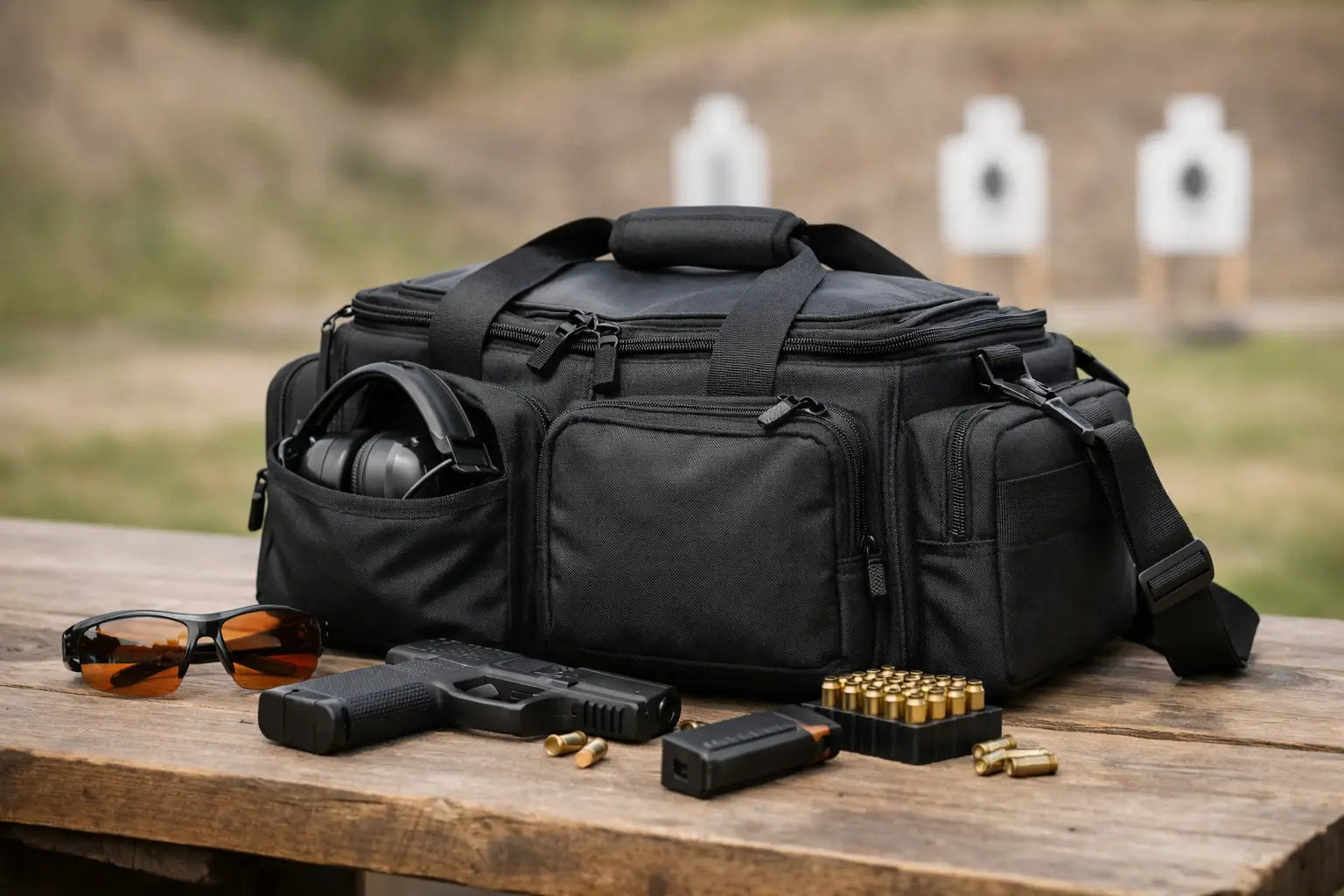

You usually notice a bad range bag when you're standing at the bench digging for ear protection, a mag loader, or the one tool you need right now. A good one keeps your day moving. If you're figuring out how to choose a range bag, the right answer starts with what you actually bring, how often you shoot, and whether you need a simple carry-all or a bag that keeps a full setup organized.
Not every shooter needs the same bag, and that is where a lot of people get stuck. They buy for the biggest possible future loadout instead of the gear they use today. That usually means too much bulk, too many empty pockets, and a bag that turns into clutter storage.
If you mostly shoot handguns at an indoor lane, your needs are pretty straightforward. You want room for eye and ear protection, a few boxes of ammo, magazines, basic cleaning supplies, targets, and maybe a stapler or marker. A medium bag with a smart pocket layout is usually enough.
If you shoot outdoors, compete, or bring multiple firearms, your range bag needs change fast. Extra mags, medical gear, tools, gloves, weather layers, snacks, brass bags, and backup accessories all take up space. In that case, capacity matters, but so does separation. Bigger is not automatically better if everything ends up piled in one main compartment.
The best place to start is simple: lay out everything you normally bring for one range trip. Then decide whether you need room for just that kit, or a little extra space for growth. A range bag should support your routine, not force you to redesign it.
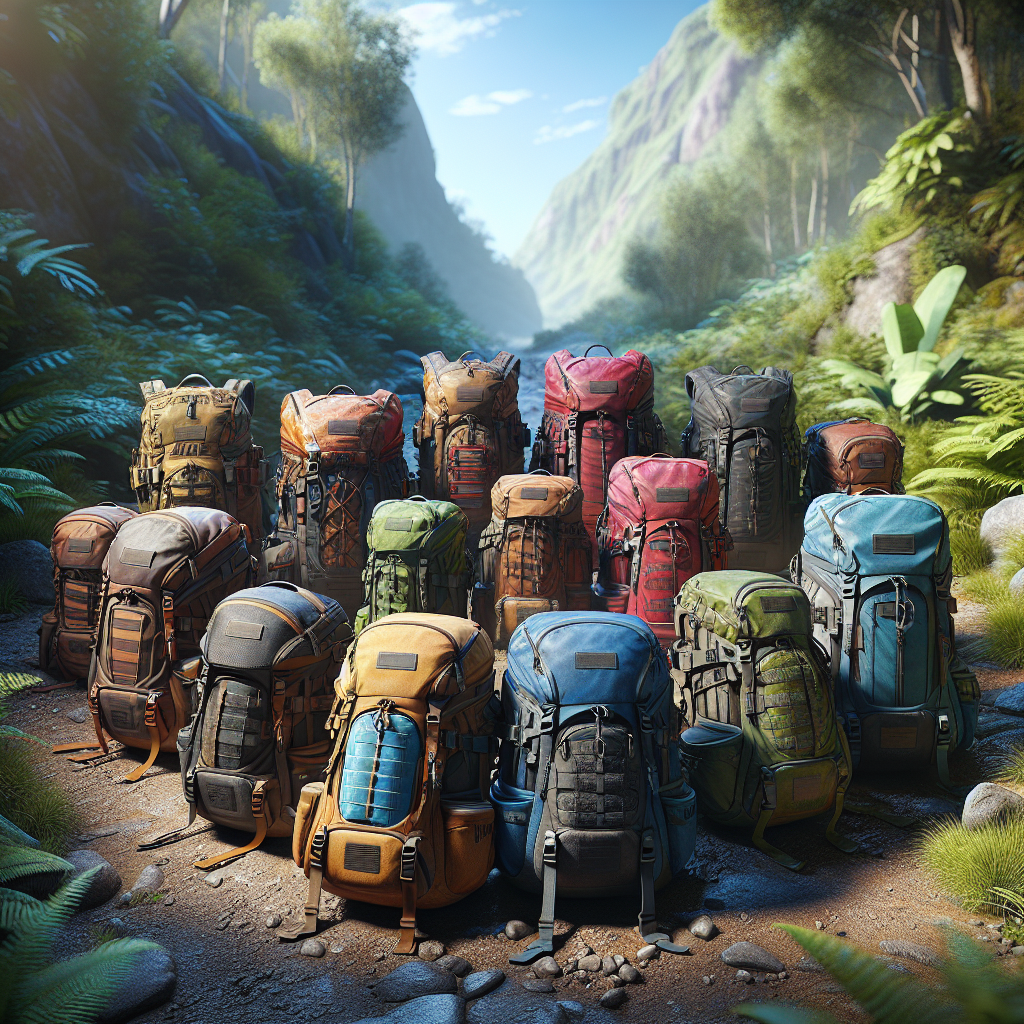
Size is the first decision because it affects almost everything else - weight, comfort, organization, and how easy the bag is to load into a truck or carry across a parking lot. Most shooters do best with a medium bag unless they are carrying gear for multiple people or a more advanced setup.
A compact range bag works well for minimal pistol sessions. It is easier to carry and less likely to become overloaded. The trade-off is limited flexibility. If you start adding ammo, spare mags, and tools, a small bag fills up fast.
A medium bag is the sweet spot for most shooters. It holds the basics plus extras without becoming awkward. You get enough room to organize your gear, but not so much room that every trip turns into packing for a weekend hunt.
A large range bag makes sense if you carry several handguns, a lot of magazines, or support gear for training days. It can also work if one bag needs to cover multiple uses. The downside is obvious once it is full of ammo. Heavy bags are harder to manage, especially if the handle and strap are not built well.
The reason some range bags feel useful and others feel frustrating usually comes down to layout. A bag with thoughtful storage saves time and keeps gear protected. A big empty cavity does not.
Look for a main compartment that can handle bulk items, but pay close attention to the secondary storage. Exterior pockets are great for quick-access items like ear protection, a shot timer, markers, or a small flashlight. Interior dividers help separate ammo from tools and keep little items from disappearing to the bottom.
Magazine storage is another big one. If you shoot often, dedicated mag pockets are worth having. They keep mags upright, easy to count, and easy to grab. The same goes for zippered mesh sections or small admin pockets for batteries, sight tools, pens, and spare parts.
You do not need endless compartments. You need the right compartments. Too many small pockets can be just as annoying as too few if you can never remember where anything is.
Some items should not bounce around together. Ammo, cleaning chemicals, optics accessories, and personal items all benefit from a little separation. If you carry first aid gear, it should be easy to reach without opening half the bag. If you carry spent brass or dirty tools, a separate pocket keeps the rest of your setup cleaner.
That is why removable inserts or modular dividers can be useful. They give you flexibility without forcing a one-layout-fits-all setup.
Range bags take abuse. They get dropped on gravel, dragged across benches, stuffed into vehicle floors, and loaded with dense weight. Ammo is heavy, and weak construction shows up quickly.
Look for strong fabric, reinforced stitching, and a solid zipper system. The zipper matters more than many people think. A bag with great storage is not much use if the zippers start failing after a few months. Handles should feel stitched and anchored for real load bearing, not just light carry.
A reinforced bottom is worth having, especially for outdoor ranges. It helps the bag handle rough surfaces and keeps wear from concentrating on the base. Some structure in the walls helps too. A floppy bag may be lighter, but it can be harder to pack and harder to work out of once you are at the bench.
Water resistance is another smart feature, especially if you shoot outdoors. You probably do not need a fully waterproof bag, but light weather protection and materials that wipe clean are practical upgrades.
A range bag can look manageable in the store and feel completely different when loaded with ammo and steel magazines. That is why carry comfort deserves a real look.
Padded handles make a difference if you mostly carry by hand. A shoulder strap should be adjustable and wide enough to spread the weight. Thin, flimsy straps dig in fast. Better hardware on the strap also means fewer problems over time.
Balance is part of comfort too. A well-designed bag carries weight evenly and does not sag awkwardly when one pocket is loaded heavier than the others. If you tend to bring a lot of ammo, that matters more than you might think.
If your walk from the vehicle to the line is long, or you carry gear for a full training day, a duffel-style bag may not always be the best answer. In some cases, a backpack-style range bag is the smarter choice. It depends on your load and your routine.
A range bag is not the same thing as a pistol case, but it still needs to protect what is inside. If your bag includes dedicated handgun compartments, padding and secure placement help prevent gear from knocking together. That is especially useful when carrying multiple firearms.
Discretion can matter too. Some shooters prefer a bag that clearly reads as range gear. Others want something less obvious for transport to and from the vehicle. There is no universal right call here. It depends on where you shoot, how you travel, and what makes you comfortable.
Just make sure discretion does not come at the expense of function. A generic gym bag may look low-profile, but if it lacks structure, pocketing, and durability, you will notice the trade-off quickly.
You do not need to overspend to get a dependable range bag. For many shooters, an affordable, well-laid-out bag is the best buy because it covers the essentials without paying extra for features they will never use.
That said, the cheapest option often gets expensive later if the stitching, handles, or zippers fail under weight. If you shoot regularly, carry a lot of ammo, or need your bag to handle rough outdoor use, spending a little more on build quality usually pays off.
A good middle-ground approach is to prioritize construction, useful storage, and carry comfort first. Fancy extras come second. When a bag fits your actual routine and holds up trip after trip, that is value.
One common mistake is buying too small and then stuffing pockets so tightly that nothing is easy to reach. Another is buying far too large and ending up with a heavy, disorganized bag full of items you do not need.
It is also easy to overfocus on appearance. Tactical styling is not a performance feature by itself. What matters is whether the bag organizes your gear, carries comfortably, and stands up to repeated use.
Finally, do not forget about future use, but keep that idea realistic. It makes sense to leave a little room to grow. It does not make sense to buy a giant bag today for a maybe-someday loadout that may never happen.
If you want a practical way to decide, narrow it down to four questions. What do you bring on a normal trip? How heavy will the bag be when loaded? Do you need fast access to magazines and tools? Will you be carrying it a short distance or for a while?
Those answers usually point you in the right direction fast. Most shooters want a medium-size bag, durable construction, easy-access pockets, and enough structure to keep gear sorted. From there, it is just about matching features to your style of shooting and your budget.
The right range bag is not the one with the most compartments or the most aggressive styling. It is the one that helps you show up organized, stay focused, and spend more time shooting instead of searching through gear. Choose for the range days you actually have, and you will end up with a bag that earns its place every trip.