Your Cart is Empty


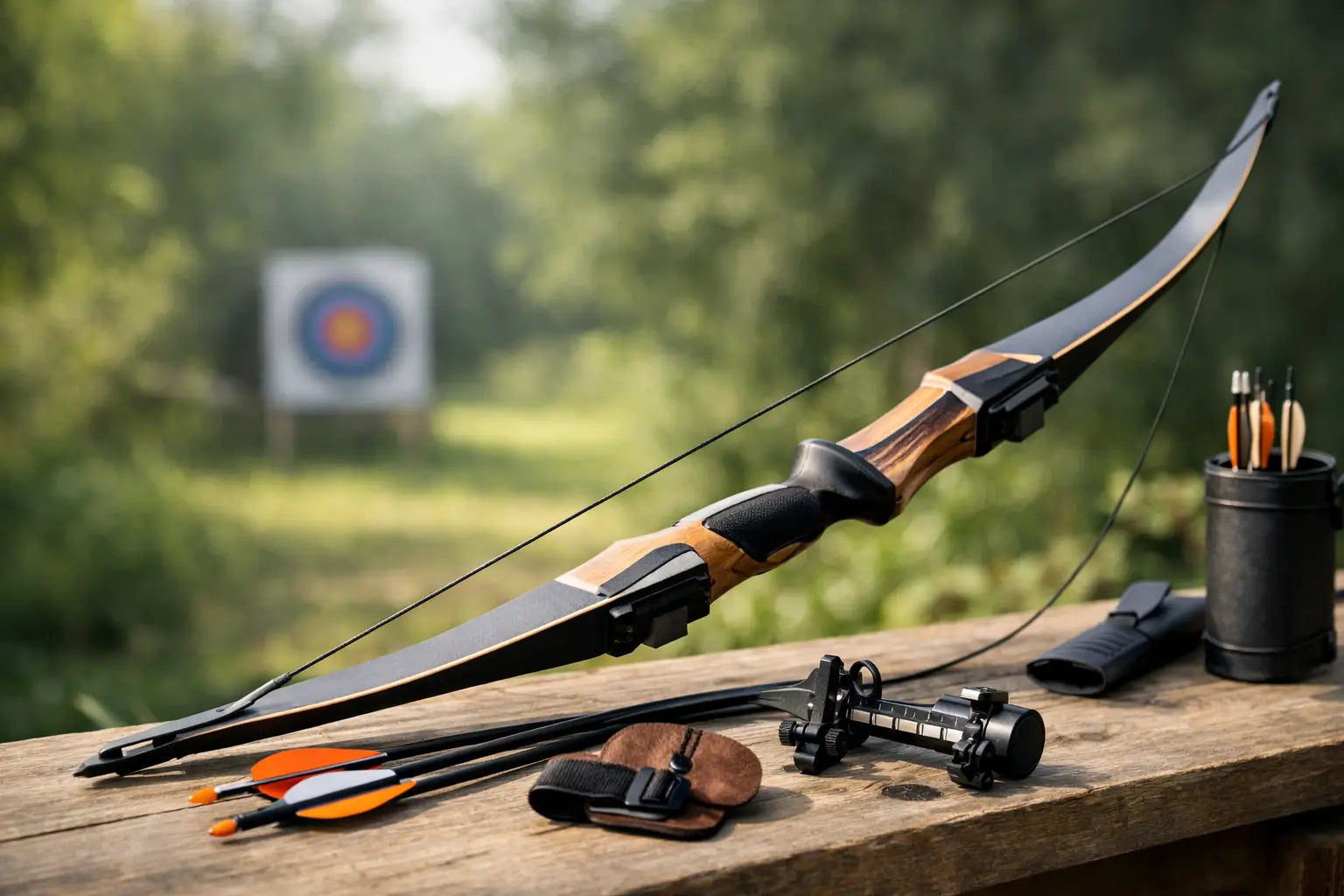

A recurve bow that looks great on the wall can feel terrible on the range. That is why finding the best beginner recurve bow is less about buying the most expensive setup and more about getting the right fit for your body, strength, and shooting goals. If you start with a bow that is comfortable, manageable, and easy to grow with, you will shoot more, improve faster, and enjoy the process a whole lot more.
For most new archers, the best first bow is simple, forgiving, and not overly heavy. You want something that lets you build form before you start fighting draw weight, tuning issues, or accessories you do not yet need. A beginner-friendly recurve should feel smooth to draw, stable at full draw, and predictable on release.
That usually means resisting the urge to buy too much bow on day one. A lot of first-time buyers assume a heavier draw weight equals better performance. In practice, that often leads to short draws, shaky anchor points, sore shoulders, and frustration. A lighter setup helps you learn proper mechanics, which matters far more than raw power when you are just starting out.
The other big factor is purpose. If your goal is backyard target shooting, your ideal setup may look different from a bow meant for bowfishing practice, hunting prep, or traditional archery. There is no single winner for everyone. The best beginner recurve bow is the one that matches how you actually plan to use it.
A recurve bow has to fit the shooter. That starts with bow length, draw length, and draw weight.
Longer recurves are generally more forgiving. They tend to feel smoother through the draw cycle and can make consistent shooting easier, especially for target practice. Shorter bows are handier in tight spaces and can appeal to hunters, but they can also feel less forgiving if your form is still developing.
Many adult beginners do well with a bow in the 58-inch to 62-inch range, though your ideal length depends on your draw length and shooting style. If you have a longer draw length, a longer bow usually feels better. If you are shopping for a compact setup, just know the trade-off - smaller is not always easier for a beginner.
This is where many new archers get off track. A smart starting point for many adult beginners is around 20 to 30 pounds. Some shooters may be comfortable a little above that, but only if they can maintain good form through repeated shots. If you have to strain, lean back, or rush the release, the bow is too heavy.
For target shooting and skill-building, lighter is often better at first. You can always move up later. Starting with too much weight is one of the fastest ways to make archery feel like work instead of fun.
Your draw length influences which bow length feels right and how the bow performs at full draw. If the bow is poorly matched to your draw length, you may feel stacking, where the draw weight ramps up harshly near the end of the draw. That can make the shot uncomfortable and inconsistent.
If you do not know your draw length yet, it is worth measuring before you buy. A well-matched bow simply feels easier to learn on.
For most first-time buyers, a takedown recurve is the practical choice. The riser and limbs separate, which makes the bow easier to transport, easier to store, and easier to upgrade over time. If your skills improve and you want more draw weight later, you can often swap limbs instead of replacing the entire setup.
That flexibility is hard to beat. It also keeps your investment more useful over the long run, which matters if you are trying to build a capable setup without overspending.
One-piece recurves have their place. They look great, feel traditional, and can be very smooth shooters. But for a beginner who values convenience, adjustability, and budget control, takedown designs usually make more sense.
The right bow should not overwhelm you with complexity, but a few features do make ownership easier.
A comfortable riser grip helps a lot. If the grip feels awkward in your hand, consistent shooting becomes harder. Limb attachment should also feel solid and straightforward, especially on a takedown bow. You do not need a pile of accessories, but it helps if the bow can accept basic add-ons like a rest or sight if you decide to use them later.
Durability matters too. Entry-level gear should still hold up to regular practice, travel, and changing weather conditions. A dependable bow that shoots well every weekend is more valuable than a flashy one that only looks good in product photos.
Price matters, but it should be viewed in context. The cheapest option is not always the best buy if the limbs are inconsistent, the grip is uncomfortable, or the finish wears quickly. On the other hand, many beginners do not need premium-level gear. The sweet spot is a bow that delivers reliable performance at a price that leaves room in your budget for arrows and protective gear.
The bow gets most of the attention, but your experience depends on the full setup. A beginner recurve paired with the wrong arrows will never feel quite right.
Arrows need to match your draw weight and draw length. If they are too stiff or too weak, your shots will suffer. This is one area where a little guidance goes a long way. Good arrows do not have to be expensive, but they do need to fit the bow.
You will also want a few basics: a finger tab or glove, an arm guard, and a target designed for arrows. A bow stringer is a smart addition too. It makes stringing the bow safer and helps protect the limbs from damage caused by improper technique.
If you are shopping with value in mind, starter kits can make sense. Just look closely at what is included. Some kits are genuinely useful. Others cut corners on arrows and accessories to hit a lower price point. The best package is the one that gets you shooting safely without forcing an immediate round of replacements.
A lot of beginners buy based on looks alone. Traditional styling absolutely has appeal, but a bow that photographs well is not automatically the right bow for your first hundred arrows. Fit and shootability should lead the decision.
Another common mistake is buying too heavy. It is easy to imagine hunting or shooting at longer distances right away, but form comes first. A lower draw weight gives you more control, and control is what builds accuracy.
Some buyers also underestimate how much accessories matter. You do not need a complicated build, but you do need arrows that match and safety gear that keeps practice comfortable. Skipping those basics can turn an exciting new hobby into a frustrating one very quickly.
Finally, many new archers shop without thinking about progression. A bow that allows limb upgrades or basic accessory changes gives you more room to grow. That is one reason takedown recurves remain such a strong starting point.
If you are trying to pick the best beginner recurve bow, start by answering three practical questions. Where will you shoot most often? What is your realistic budget for the full setup, not just the bow? And are you more interested in target shooting, hunting prep, or traditional recreation?
If target shooting is your main focus, lean toward a longer, lighter, more forgiving takedown recurve. If you are eventually working toward hunting, you can still begin with manageable weight and build skill first. If your goal is casual backyard practice, prioritize comfort, easy assembly, and affordable replacement parts.
That approach keeps the decision grounded in real use instead of marketing hype. At Outdoor Up, that is the mindset that helps people gear up smarter - buy what supports the next outing, not what sounds the most impressive on paper.
If you remember one thing, make it this: your first recurve bow should help you practice longer, not prove something on day one. Comfort beats ego. Fit beats flashy features. A moderate draw weight and a dependable takedown design will serve most beginners better than an aggressive setup they can barely control.
Archery gets more rewarding the more consistent you become. Start with a bow that makes consistency possible, and every session will feel better than the last. Get the basics right, shoot often, and let your next upgrade come after your skills catch up.