Your Cart is Empty




A life jacket that rides up around your ears, rubs your arms raw, or gets tossed under a seat is the wrong one - even if the label says it checks every box. The real answer to how to pick a life jacket is finding one that matches your activity, fits your body, and feels comfortable enough that you will actually wear it every time the boat leaves the dock.
That matters more than most people think. A fishing angler, a kayaker, and a parent buying for kids may all need flotation, but they do not need the same cut, bulk, or feature set. Start with how you use the water, then narrow your choice based on fit, rating, and comfort.
The fastest way to make a good choice is to shop by use case. A general boating vest can work for occasional lake days, but if you spend long hours paddling, casting, or riding personal watercraft, a purpose-built jacket usually feels better and performs better.
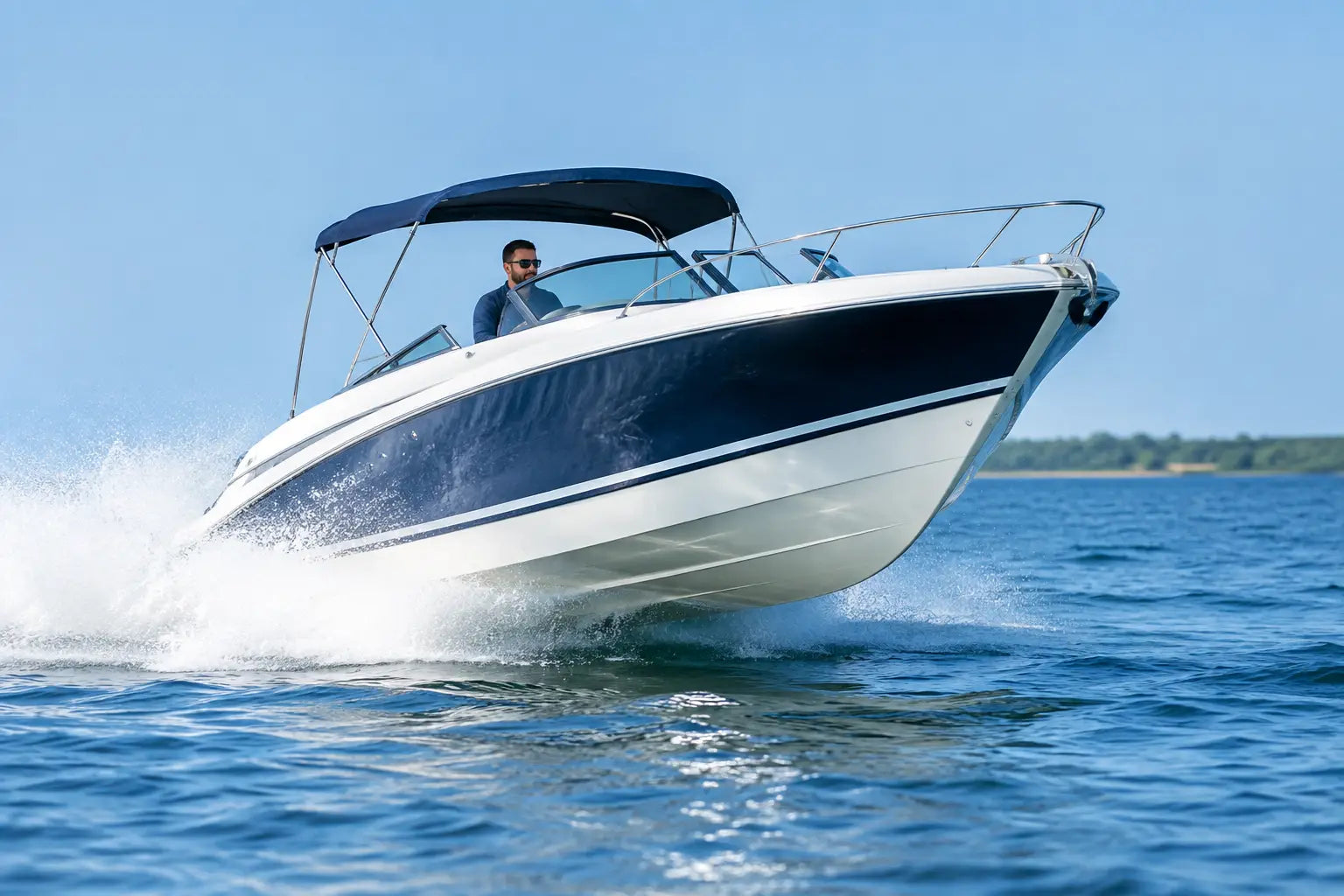
For casual boating, cruising, and family lake days, a standard foam life jacket is often the smartest pick. It is simple, dependable, and ready the second you put it on. These are a strong choice for recreational boaters who want reliable flotation without much fuss.
For kayaking, canoeing, and paddle sports, look for a design with larger arm openings and less bulk around the shoulders. Paddling creates a lot of repetitive upper-body movement. A vest that feels fine at the dock can become annoying fast once you are a mile from shore.
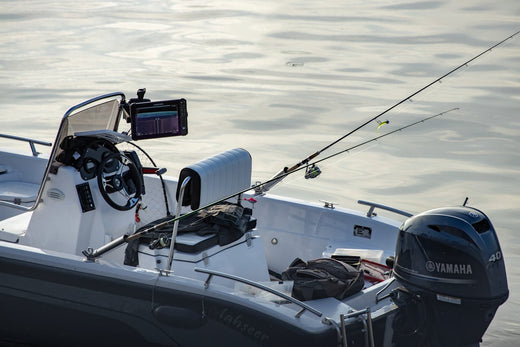
For fishing, many anglers prefer life jackets with shorter backs, slimmer profiles, and pockets or attachment points. High-back designs can also pair better with certain boat seats. The goal is to stay protected without giving up casting range or all-day comfort.
For watersports and personal watercraft, mobility and secure fit matter even more. Fast movement, wind, spray, and repeated impacts can shift a poor-fitting vest quickly. In these cases, snugness is a feature, not a flaw.
Inflatable life jackets also have a place, especially for experienced adult boaters who want less bulk. They can be comfortable and low-profile, but they are not ideal for every situation. They are generally not the best pick for high-impact watersports, weak swimmers, or children, and they require more attention to maintenance than standard foam jackets.
If you want to know how to pick a life jacket with confidence, do not skip the approval label. In the US, you should be looking for a US Coast Guard-approved life jacket that matches your intended use.
The older system used Type I, II, III, and V labels, and you will still see those in plenty of places. Newer labels may focus more on performance level and intended activity. Either way, the label tells you whether the jacket is approved and what kind of boating or water activity it is meant for.
This is where trade-offs come in. A bulkier offshore-oriented jacket may offer more turning support in rough water, but it will feel less comfortable for paddling or casting. A sleeker recreational vest may feel great for active movement, but it is built around calmer conditions and more immediate rescue expectations. Better on paper does not always mean better for your actual day on the water.
Even the right category can fail if the fit is wrong. Life jackets should fit snugly without restricting breathing. Loose jackets can shift, ride up, or slip over the chin in the water. Too tight, and people stop wearing them.
Adult life jackets are sized by chest measurement, and youth or child jackets are usually sized by weight. Do not guess. Measure your chest and check the manufacturer’s size chart. Jacket sizing is not as universal as people expect, and a medium in one design may feel very different from a medium in another.
Once it is on, fasten every buckle and zipper, then tighten the straps. Raise your arms, twist your torso, and sit down if possible. If you are buying for paddling or boating, mimic the motions you will actually make outdoors. You are looking for secure fit with natural movement.
A simple fit test helps. With the jacket fully secured, have someone gently pull up at the shoulders. If the jacket moves up past your ears or slides excessively, it is too loose. On the water, that extra movement gets worse, not better.
For children, fit is even less forgiving. A kid’s life jacket should match the child’s current weight, not the size you hope they grow into later this summer. Too large is unsafe.
Look for features like a crotch strap, head support for smaller children, and a grab handle, depending on age and size. Then test the fit carefully. If the jacket rides up over the child’s face or shifts too much when lifted at the shoulders, keep shopping.
Comfort matters here too. If a child hates wearing the jacket, every outing becomes a battle. A softer lining, better arm mobility, and a less bulky shape can make a big difference.
Many shoppers get stuck here, and the answer depends on who is wearing it and how they boat.
Foam life jackets are the classic choice for good reason. They are inherently buoyant, which means they float without any action from the wearer. They work right away, they are easy to understand, and they are a dependable option for general boating, fishing, paddling, and family use.
Inflatable life jackets are lighter and less bulky, which can make them more appealing for long hours on the water. Some inflate automatically, while others require manual activation. The trade-off is that they need maintenance, inspection, and proper handling. They are not the set-it-and-forget-it option that foam jackets are.
For many beginners and family buyers, foam is the easier and safer place to start. For some experienced adult boaters who prioritize comfort and understand the care requirements, inflatable can be a smart upgrade.
A life jacket can meet safety requirements and still be miserable to wear. That is why comfort should not be treated like a bonus feature. It is part of the safety decision.
Look at the cut around the shoulders and neck first. Chafing in those areas gets old fast. Mesh panels, softer liners, and segmented foam can improve movement and reduce heat buildup. Shorter backs are often more comfortable in kayak seats and many fishing seats, while larger arm openings help with paddling and casting.
Pockets, lash tabs, and reflective details can be useful, but only if they support your day on the water. Too many add-ons can create clutter and extra bulk. Buy features you will use, not features that just look tactical on the rack.
Color matters too. Bright, visible colors are easier to spot on the water than muted tones. If visibility is a priority, especially for kids or busy boating areas, that choice can pay off quickly.
The biggest mistake is buying for the cheapest price alone. Value matters, but a bargain is not a bargain if the jacket fits poorly, feels terrible, or is not right for your activity.
Another common mistake is sizing up for layering. If you boat in cool weather, try the life jacket over the clothing you actually wear, but do not automatically jump to an oversized vest. Fit should still stay snug and secure.
People also buy one life jacket and expect it to cover every situation. Sometimes that works. Often, it does not. If you spend one weekend trolling on a bass boat and the next paddling a kayak, you may be happier with different jackets for different uses.
Finally, do not ignore maintenance. Check buckles, straps, fabric, foam condition, and inflator status if applicable. Sun, moisture, and wear all take a toll over time.
If the fabric is torn, the straps are damaged, the buckles no longer hold, or the foam feels crushed and misshapen, it is time for a replacement. Inflatable models should also be replaced or serviced according to the manufacturer’s guidance if the inflator system is compromised or out of date.
A life jacket does not need to look destroyed to be past its prime. If it no longer fits the user, no longer feels secure, or has clearly lost performance, retire it and move on. Reliable gear makes better adventures possible.
The best life jacket is the one you wear without second-guessing. Pick the model that fits your body, suits your kind of water time, and stays comfortable from launch to takeout. That choice does more than check a safety box - it helps you get outside more, stay ready, and enjoy the day with confidence.