Your Cart is Empty


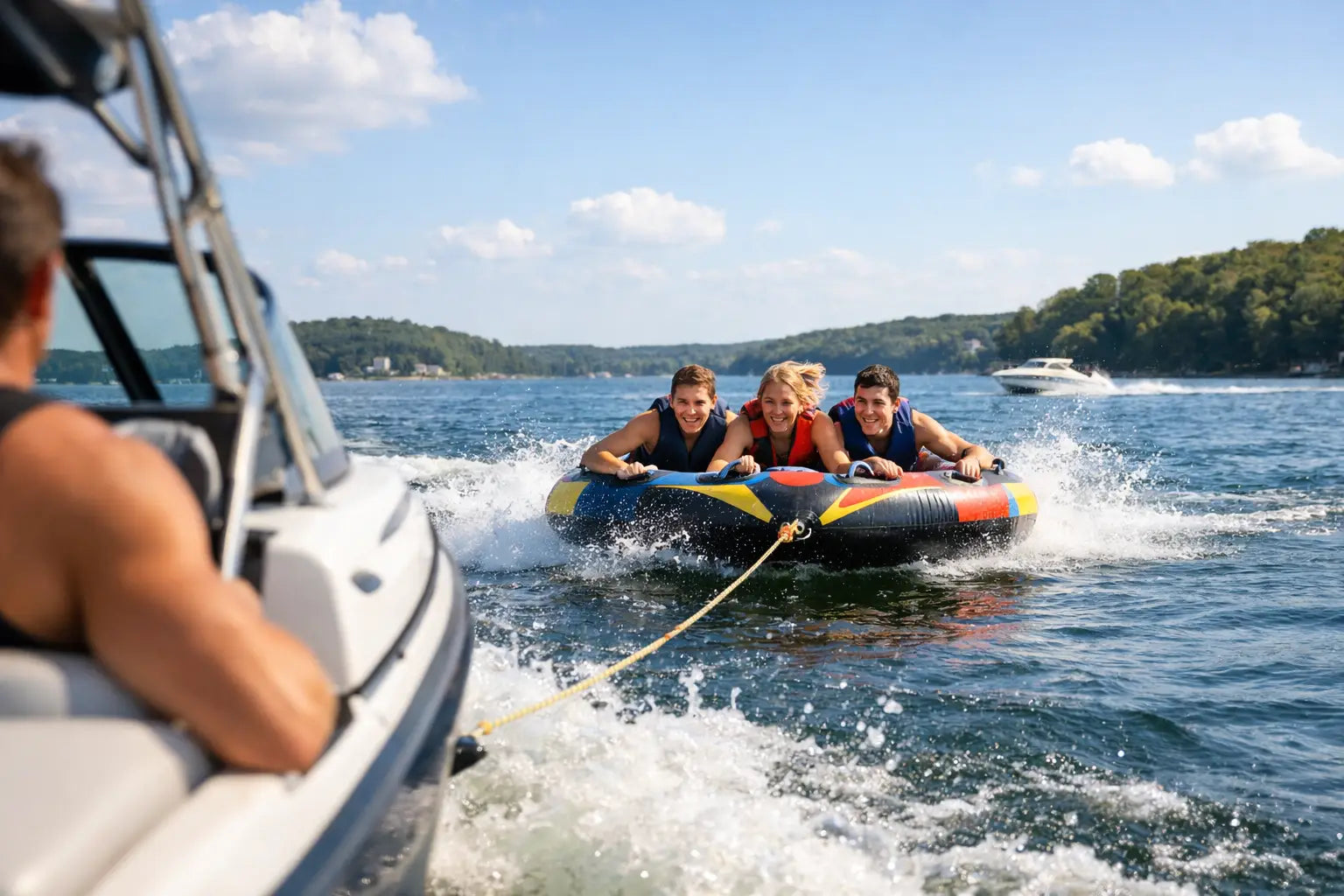

A towable tube can turn an average afternoon on the lake into the part everyone talks about on the ride home. But the wrong tube can also mean frustrated riders, rougher pulls, and money spent on something that does not fit your crew or your boat. This towable tube buying guide is built to help you choose with confidence, whether you are buying your first tube or replacing one that has seen a few hard summers.
The biggest mistake most buyers make is shopping by looks alone. A bright color and aggressive shape might catch your eye, but the better question is how that tube will actually ride behind your boat. Rider age, skill level, lake conditions, storage space, and towing power all matter more than graphics.
Start with the two things that shape every other decision - who will ride and how they want to ride. If your tube is mostly for younger kids or first-timers, comfort and stability should come first. If your group wants faster turns, bigger wakes, and a more active ride, you can look at performance-focused shapes.
That is where a good buying decision gets more specific. A tube that feels perfect for two adults on a calm morning may be a bad fit for a mixed group of kids and adults in choppier afternoon water. There is no single best towable tube, only the best match for your kind of boating.
Shape has a huge impact on ride style. It affects speed, stability, how much spray riders take, and how easy it is to stay on when the boat picks up speed.
Round tubes are the classic option and still a strong choice for general family use. They are usually easy to tow, fun at a range of speeds, and straightforward for beginners. They tend to deliver a balanced ride without feeling too aggressive, which makes them popular for casual lake days.
Deck-style tubes are flatter and often give riders more room to stretch out. These can feel more stable in some situations and are a solid option for riders who want a smoother, lower-profile experience. They are also easier for some kids to climb onto from the water.
Cockpit or sofa-style tubes add support with higher sidewalls or backrests. If comfort matters more than whip-fast turns, these are worth a serious look. They can help younger riders and more cautious adults feel secure, though they may not give thrill-seekers the same loose, fast feel as a lower-profile tube.
Banana-style and chariot-style tubes lean more specialized. Banana tubes can be great for multiple riders and a playful bouncing ride, while chariot designs let riders kneel or brace in a more active position. These styles can be a blast, but they are less universal. If you want one tube to please the widest range of riders, stick with a more versatile shape.
Tube capacity is not just about how many handles are attached. A one-rider tube is built differently than a three-rider or four-rider model, and going bigger is not always better.
If you usually boat with one or two riders at a time, an oversized tube can feel harder to control and less lively. It may also require more towing effort and more storage space than you want. On the other hand, buying too small for your group creates crowding, uneven weight distribution, and a ride that feels less safe and less fun.
Think honestly about your most common use case. If 80 percent of your rides involve two kids or one adult, buy for that. If you regularly host family and friends and want the option for multiple riders, choose a larger tube with a real weight capacity that matches your crew. Capacity ratings matter. Stay within them every time.
The best tube for adults is not always the best tube for kids, and a mixed-age group needs a little more thought.
For kids, look for stability, secure handles, and a ride position that feels easy to understand. Tubes with supportive sides or cockpit-style seating can help reduce the fear factor for younger riders. They also make it easier for drivers to keep the pace fun without making every turn feel like a launch.
For teens and adults who want more excitement, lower-profile deck tubes and performance-oriented round tubes tend to deliver more action. They respond faster to boat movement and can swing wider in turns. That is great when riders want a challenge, but it also means less forgiveness.
If your tube will serve both groups, the safest bet is a mid-sized model with a stable platform and enough handle options for different riding styles. Versatility beats extremes when you want one tube to do a lot.
A tube can look nearly identical to another one online and still wear out much faster. Materials and build quality make the difference between one good season and several reliable summers.
The inner bladder should be made from heavy-duty PVC that can handle repeated inflation, sun exposure, and normal impact. The outer cover matters just as much. Full nylon covers generally offer better durability and abrasion resistance than simpler exposed-bladder designs. If your crew rides often, drags tubes onto docks, or stores gear in a packed boat, that extra protection is worth it.
Handles are another detail buyers overlook. Padded handles and knuckle guards improve grip and comfort, especially during longer rides or rougher water. Boarding straps can also make a big difference when riders need to climb back on from the lake. These are not flashy features, but they improve the real experience every weekend.
A tube is only as good as the setup pulling it. Before you commit, make sure your boat, tow point, and rope are a proper match.
Not every boat is ideal for every tube size. Larger multi-rider tubes create more drag and need more power to get moving smoothly. If your boat is on the smaller side or you are towing with a modest engine, a giant tube may feel sluggish and less fun than a smaller, more efficient option.
You also need the right tow rope, rated for the number of riders and the load involved. Using the wrong rope is not a shortcut worth taking. It affects safety, control, and tube performance. The same goes for tow harnesses and quick-connect systems. A clean, secure setup saves time at the dock and reduces headaches once you are on the water.
A fast tube ride gets attention. A comfortable one gets used more often.
Look at seat position, back support, handle layout, and how easy the tube is to reboard after a fall. If riders feel awkward getting on, cramped while riding, or beaten up after every pass, that tube will spend more time deflated than in the water.
This is especially true for families. Many buyers assume everyone wants the wildest ride possible, but most groups actually want a tube that can do both - steady cruising for younger riders and enough responsiveness to keep things exciting when the adults take a turn. That middle ground is usually the smart buy.
Towable tubes take up real space. A larger model can crowd your garage, boat compartment, or tow vehicle faster than expected.
Before buying, think about where the tube will live when it is inflated and where it will go when it is dry and packed away. Also think about setup time. Some tubes are easier to inflate, deflate, and fold than others. That might not seem like a buying factor at first, but if every lake day starts with a wrestling match and ends with a wet cleanup headache, convenience becomes a big deal.
A good air pump helps, but tube design still matters. If you know your crew likes quick starts and easy pack-up, do not ignore the practical side of ownership.
The cheapest tube on the page is rarely the best value. But the most expensive one is not automatically the right call either.
If you ride a few times each summer with younger kids, a solid mid-range family tube may be all you need. If your group rides hard, every weekend, and expects the tube to handle heavier use, stepping up in materials and construction makes sense. Spending a little more for stronger covers, better handles, and dependable towing hardware usually pays off in longevity and fewer replacements.
This is where practical shopping wins. Buy for your actual use pattern, not for the most extreme version of your boating life.
The best final check is simple. Make sure the tube fits your riders, your boat, your water conditions, and your storage space. If one of those pieces is off, the whole purchase feels less satisfying.
For most buyers, the sweet spot is a durable two- or three-rider tube with a stable shape, quality cover, padded handles, and a towing setup rated for the job. That gives you flexibility without overcomplicating the decision. Outdoor Up serves a lot of customers who want exactly that - dependable gear that performs well, holds up, and keeps the day moving.
Buy the tube that matches the way you actually spend time on the water, and you will get more than a fun accessory. You will get a piece of gear your crew asks for every time the boat leaves the dock.