Your Cart is Empty


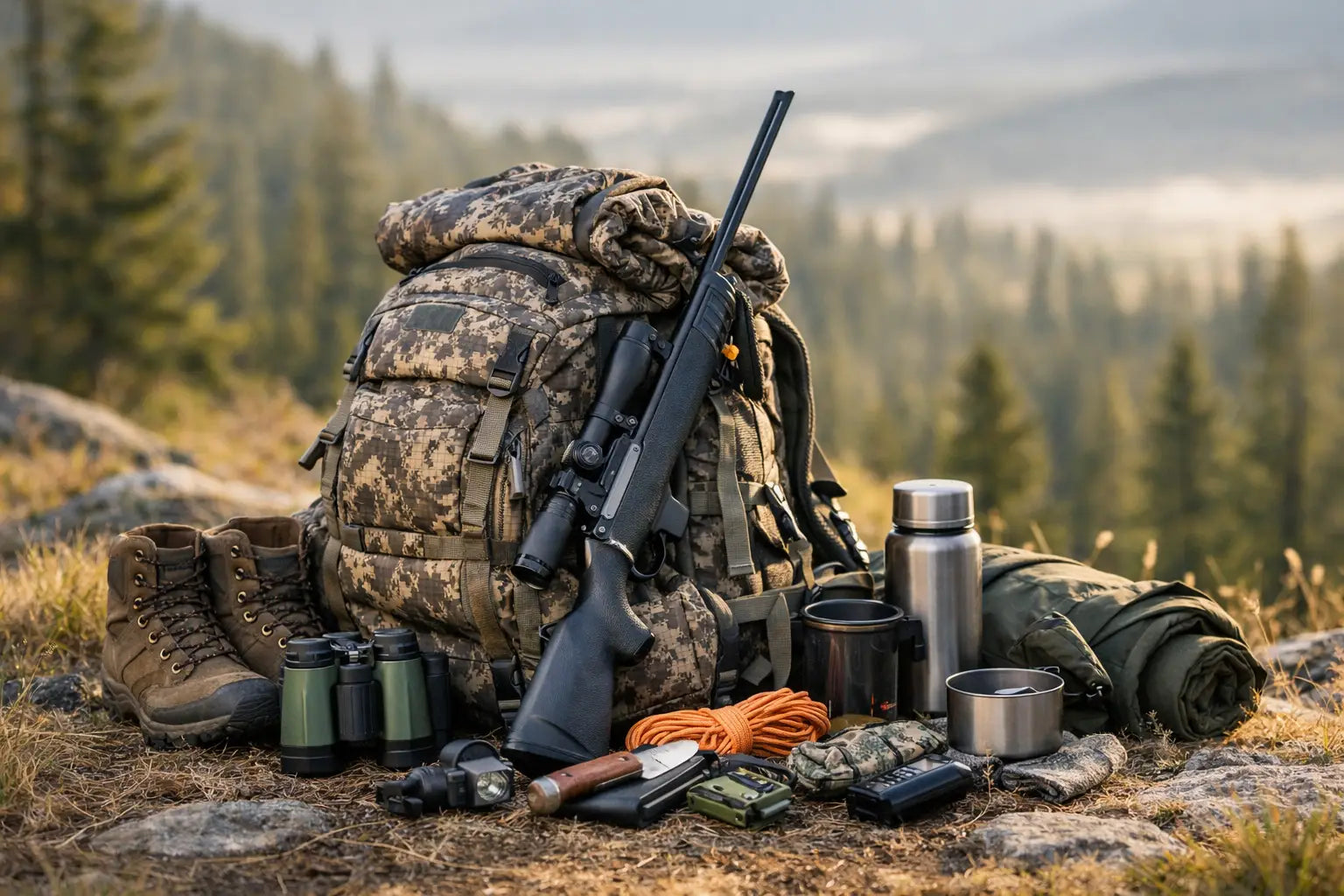

A hunting pack gets tested long before the shot. It rides through wet brush, catches on deadfall, sits in mud, and has to keep the gear you need within reach when the light is fading. The right hunting backpack essentials are not about filling every pocket. They are about carrying the equipment that keeps you safe, quiet, organized, and ready to make good decisions in the field.
A daypack for a turkey hunt will look different from a pack built for an all-day whitetail sit or a backcountry elk hunt. Distance, weather, season, terrain, and game all change the loadout. Start with the basics, then add only what the hunt calls for. Less clutter means less noise, less weight, and fewer chances to leave something important behind.
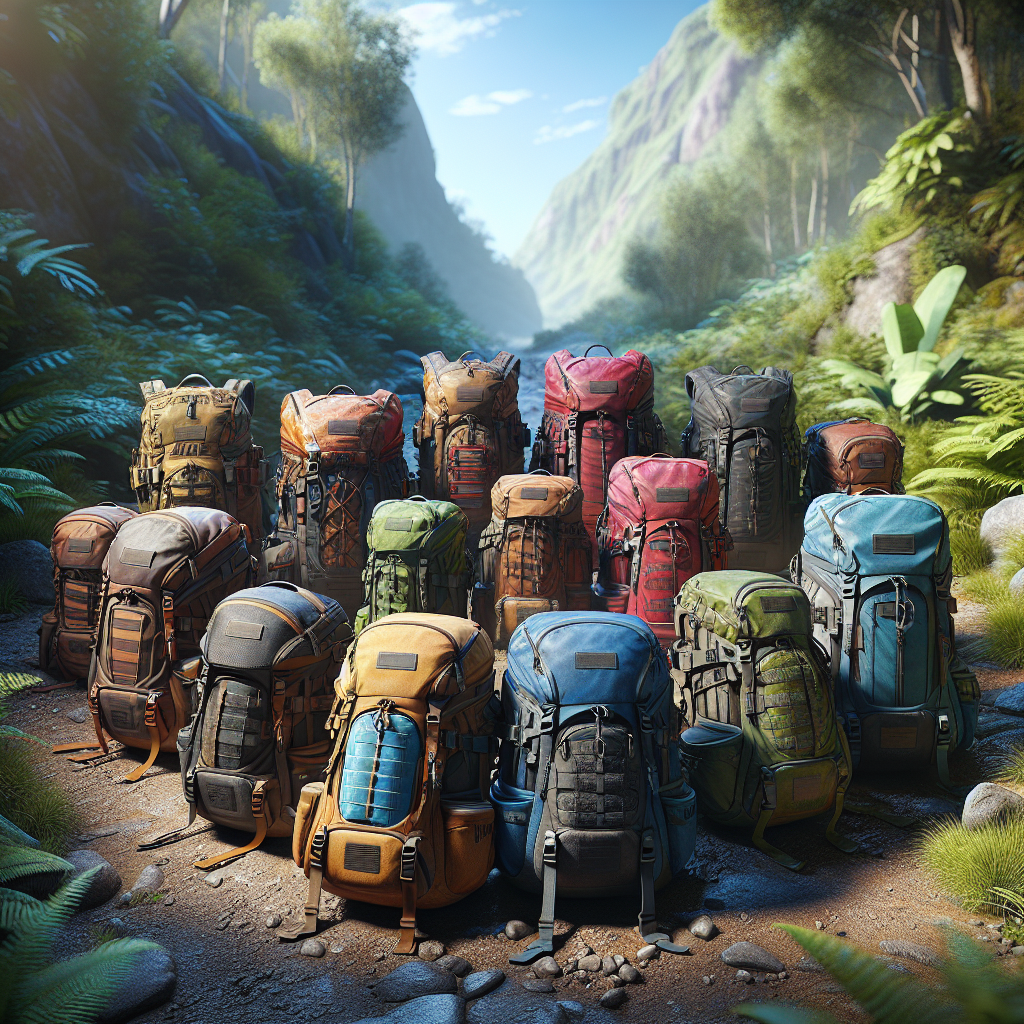
Before loading gear, make sure the pack itself matches your plan. A compact 1,000- to 1,800-cubic-inch daypack can handle short hunts close to the truck. It is a practical choice for carrying water, layers, a small first-aid kit, and field tools without feeling oversized in a blind or treestand.
For long walks, remote setups, or hunts that may turn into a pack-out, look for more capacity, a supportive waist belt, and compression straps. A 2,000- to 3,500-cubic-inch pack gives you room for extra insulation, food, rain gear, and meat-hauling supplies. Larger expedition packs make sense for overnight trips, but they can be unnecessary bulk for a quick morning hunt.
Fit matters as much as capacity. Adjust the shoulder straps, sternum strap, and hip belt before the season starts. Most of the weight should rest on your hips, not pull on your shoulders. A pack that shifts, squeaks, or rubs will wear you down fast and can cost you a quiet approach.
Safety gear earns its place even when it never comes out of the pack. Conditions change quickly outdoors, and a small problem can become serious when you are miles from the trailhead or cell service.
Keep a compact first-aid kit in a consistent, easy-to-reach pocket. Include supplies for cuts, blisters, sprains, and basic wound care, along with any personal medications. Add a whistle, emergency fire-starting tools, a headlamp with spare batteries, and an emergency blanket or bivy. These items weigh little but can make a long, cold night far more manageable.
Navigation belongs in every pack, too. A phone with offline maps is useful, but it should not be your only plan. Carry a paper map and compass, and know how to use them. On unfamiliar ground, a GPS device or satellite communicator adds confidence, especially for solo hunters or backcountry trips.
If you hunt from an elevated stand, pack the safety equipment required for that setup and inspect it before each use. Follow local regulations for blaze orange or blaze pink, and make sure your visible safety layer is accessible instead of buried under extra clothing.
Dehydration hurts focus, endurance, and decision-making. Carry enough water for the temperature, terrain, and expected effort. A hydration reservoir keeps water easy to access while moving, while bottles can be simpler to refill and less likely to freeze in certain cold-weather conditions. For longer hunts, bring a compact water filter or purification option so you can safely refill from a reliable source.
Food should be simple, durable, and easy to eat without making a mess. High-protein bars, jerky, nuts, dried fruit, and trail mix work well for day hunts. For longer trips, add more calorie-dense meals and a small stove if your plan calls for it. Keep snacks in a pocket you can reach without unpacking the entire bag.
Weather protection is one of the most valuable hunting backpack essentials because it protects both comfort and safety. Pack a lightweight rain jacket even when the forecast looks clear. A dry bag or waterproof stuff sack can protect electronics, spare gloves, and insulating layers from rain or snow. In cold conditions, dry gloves and a warm hat can make a bigger difference than another piece of hunting hardware.
The best field gear is useless if it is buried under lunch or rattling around in the main compartment. Give every item a home. Use exterior pockets for gear you need while moving, such as a rangefinder, wind checker, calls, or small binoculars. Keep sharp tools and field-processing equipment secured in a dedicated pouch.
Your field kit should reflect the game you pursue. For big game, include a quality fixed-blade or replaceable-blade knife, gloves, game bags, paracord, and unscented wipes. A compact bone saw may be useful depending on your preferred field-dressing method and local rules. For birds or small game, you may need a lighter kit, but a knife, gloves, and a way to carry harvested game still matter.
Pack a headlamp where you can find it by feel. Many recoveries, field-dressing jobs, and walks back to the truck happen after sunset. Choose a model with a low setting for close work and a brighter setting for trail travel. Spare batteries should stay dry and separate from the light.
Noise control is part of organization. Secure loose buckles, keep metal tools covered, and avoid tossing hard gear into open pockets. Test your loaded pack before opening day. Walk around the yard, crouch, bend, and listen for clicks, squeaks, and shifting equipment.
A rifle hunter, bowhunter, and waterfowl hunter do not need the same loadout. Build around your method instead of copying someone else's checklist.
For rifle or muzzleloader hunts, hearing protection, ammunition storage, a rangefinder, optics cloth, and a small shooting support can earn their space. Keep ammunition dry and protected, and carry only what you reasonably need. A compact tripod or shooting sticks can be worth the added weight in open country, but may not help much in thick timber.
Bowhunters often benefit from a release pouch, extra broadheads stored safely, bow rope, rangefinder, wind indicator, and basic repair items. If you climb into a treestand, organize gear so it can be raised and lowered safely with a haul line. Avoid placing sharp broadheads in loose pockets where they can damage equipment or hands.
Waterfowl hunters may prioritize calls, gloves, face protection, shell storage, a waterproof seat, and dry storage for electronics. Upland hunters generally need water, first aid, blaze orange, bird-handling supplies, and enough room for layers as the day warms up. The goal is the same across every style of hunting: carry what supports the hunt, not what slows it down.
The walk in is only half the trip. If you are successful, your pack may need to carry meat, antlers, wet gear, or a bird limit back to the truck. This is where durable fabric, load lifters, compression straps, and a practical hauling design become more than nice features.
For big game, pack game bags and consider a pack with a load shelf or frame capable of handling heavy, uneven weight. Keep the heaviest load close to your back and tighten compression straps to reduce shifting. Cool meat quickly, keep it clean, and follow your state's tagging, transport, and evidence-of-sex requirements.
Do not assume every hunt needs a heavy-duty meat-hauling system. If you hunt close to access points or have help nearby, a lighter daypack may be the smarter choice. But always have a realistic retrieval plan before pulling the trigger. Terrain, heat, distance, and the size of the animal can turn a simple recovery into an all-day job.
A dependable pack starts at home. After each hunt, remove trash, dry wet gear, restock first-aid supplies, and replace used batteries or snacks. Keep your core equipment together so you are not rebuilding the kit from scratch at 4 a.m.
Pack heavier items close to your back, lighter items farther out, and frequently used gear in the outer pockets. Put rain gear near the top. Keep emergency items in the same place every time. This routine saves time when the weather shifts or darkness arrives fast.
Gear up for the hunt you are actually taking. A well-packed backpack gives you more than storage - it gives you the confidence to move farther, stay focused, and enjoy the time outside when the plan changes.