Your Cart is Empty


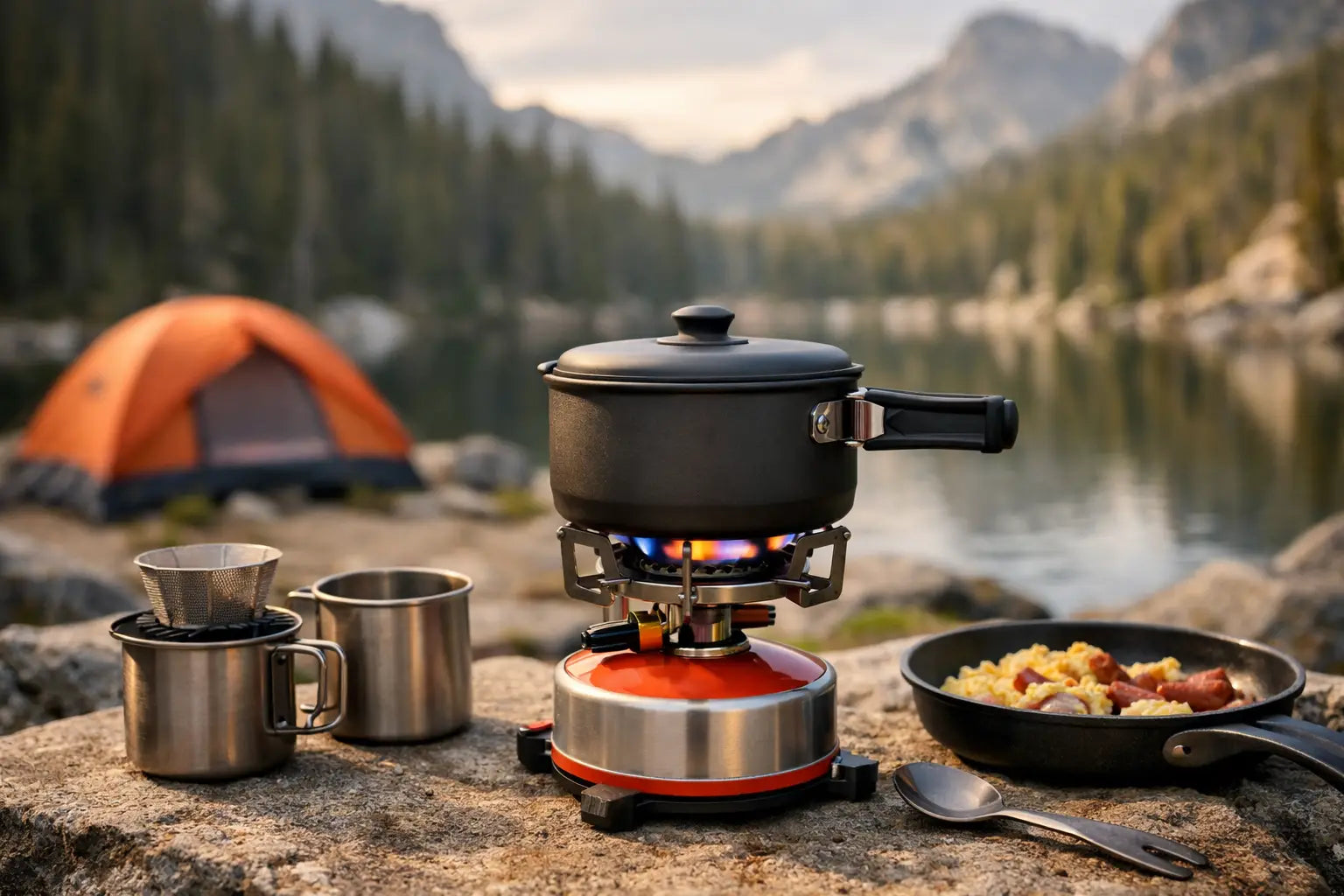

A hot breakfast at a cold trailhead, coffee before the boat launch, and a one-pan dinner after setting up camp all depend on one small piece of gear. This portable camping stove review focuses on what matters when the weather turns, the group gets hungry, and you need a stove that works without taking over your pack or budget.
The right stove is not always the smallest, hottest, or most expensive option. A solo backpacker, a family at a developed campground, and an RV traveler cooking outside have different needs. Start with how you actually camp, then choose the fuel system, burner layout, and cooking surface that support the trip.
A camping stove should earn its space in your gear bin. That means it needs to light reliably, handle the meals you plan to make, and pack down in a way that fits your vehicle, boat, or backpack. Beyond that, the best choice comes down to a few practical trade-offs.
Propane is the familiar choice for car camping, hunting camps, RV travel, and group outings. Small green cylinders are widely available, easy to connect, and simple for beginners to use. Propane stoves also tend to offer stable burner control for simmering chili, frying fish, or making pancakes. The downside is bulk. Disposable cylinders take up room and create waste, while refillable tanks are heavier but make more sense for frequent campers.
Butane and butane-propane canister stoves are compact, quick to set up, and popular with backpackers. Screw-on canisters make it easy to carry enough fuel for a weekend without hauling a large bottle. Cold weather can reduce their performance, though, especially when temperatures drop near freezing. If shoulder-season camping is part of your plan, choose a stove and fuel system designed to perform in cooler conditions.
Liquid-fuel stoves remain a strong option for remote trips and cold-weather use. They can run on white gas and, in some models, other fuels found far from town. They require more maintenance, priming, and practice than a basic propane stove. For a first-time camper, that extra effort may not be worth it. For a long backcountry route or extended hunting camp, fuel flexibility can be a major advantage.
One burner is enough for coffee, dehydrated meals, oatmeal, and simple skillet cooking. It keeps weight low and setup fast. A compact single-burner stove is a smart choice for solo campers, anglers packing light, or anyone who wants a reliable backup cooking option in the truck.
Two burners change camp cooking considerably. You can boil water while cooking eggs, heat a sauce while grilling burgers, or keep a pot warm while finishing a skillet meal. For families and groups, a two-burner propane stove usually offers the best balance of affordability, cooking space, and easy operation.
Three burners or larger outdoor cooking systems are useful when feeding a crowd, but they are not automatically better. They take up more table space, use more fuel, and can feel unnecessary for a couple on a weekend getaway. Buy cooking capacity for the meals you make, not for the largest group you might host once a year.
High BTU ratings can help boil water quickly and recover heat when a cold cast-iron pan hits the burner. That is useful for larger pots, windy campsites, and meals with several hungry people waiting. But a bigger number does not guarantee better cooking.
A stove with good flame control is often more useful than one with maximum output. Low, steady heat keeps eggs from scorching and lets soup simmer without constant attention. Look for adjustable valves that respond smoothly, especially if your camp menu includes more than freeze-dried meals.
Burner design, pot support, wind protection, and fuel efficiency all affect real performance. A modest burner protected from the wind can outperform a high-output model exposed to every gust. That brings us to a feature many shoppers overlook until the first breezy dinner.
Wind can turn an easy meal into a fuel-burning frustration. Strong side winds push flames away from the pot, slow boil times, and make temperature control difficult. Stoves with built-in windshields, recessed burners, and solid pot supports are easier to use at exposed campsites, lakeshores, and open trailheads.
A folding two-burner stove with side panels offers meaningful protection for vehicle-based camping. For backpacking stoves, a separate windscreen may help in some setups, but it must be used carefully. Never trap heat around a fuel canister, and always follow the stove manufacturer’s safety guidance.
Wind resistance also depends on where you set up. Cook on a stable, level surface away from dry grass, tent walls, vehicles, and low-hanging branches. Use natural shelter when possible, but avoid enclosed spaces. A camp stove belongs outdoors with clear ventilation, never inside a tent, camper, or enclosed awning.
A stove that cooks beautifully at home can still be the wrong choice if it is awkward to carry. Backpackers should look closely at packed weight, fuel canister compatibility, pot size, and the footprint of the stove when deployed. Tiny stoves save space, but narrow pot supports can make a full pan feel unstable.
Car campers have more flexibility. A larger folding stove, griddle-ready cook system, or tabletop unit can make camp meals easier without creating a major packing problem. Still, measure your storage space. A stove must fit alongside the cooler, sleeping gear, tackle boxes, camp chairs, and everything else that makes the trip work.
For RV campers, tailgaters, and base-camp hunters, a stove with a broader cooking surface may be worth the extra size. The goal is dependable utility. If it lets you cook outside, keep heat and odors out of the rig, and feed the crew without hassle, it is doing its job.
For a solo overnight hike, prioritize low weight, compact fuel, and a setup you can operate with cold hands. A canister stove paired with a small pot is often enough for boiling water and simple meals. Practice lighting it and adjusting the flame before leaving home.
For a weekend campground stay, choose convenience. A two-burner propane stove gives you room to cook familiar meals and makes mornings smoother when everyone wants breakfast at once. Add a coffee pot, skillet, and a simple windbreak, and you have a capable outdoor kitchen.
For fishing trips and boat-adjacent camps, stability matters. Select a stove that sits securely on a flat surface and has controls you can use with wet or cold hands. Keep fuel secured and away from direct sun, and plan for quick meals that do not pull attention away from the water.
For larger groups, focus on cook-surface space and fuel capacity. A stove that handles two large pots is more valuable than a compact model with impressive specs but limited room. Bring more fuel than you expect to use, especially when cooking in wind or cool temperatures.
Before buying, check the ignition system, latch quality, regulator connection, drip tray, and pot supports. Push-button igniters are convenient, but carry a lighter or waterproof matches anyway. Igniters can fail, while a backup fire source weighs almost nothing.
A removable drip tray makes cleanup faster after bacon, burgers, or fish. Strong pot grates reduce wobble, especially with cast iron or larger cookware. If you plan to use a griddle, verify that the stove can support it safely and evenly.
Fuel availability matters, too. If your favorite camping area is far from stores, bring the correct spare canister or cylinder rather than assuming you can replace it on the way. Check connections for leaks before each trip by following the manufacturer’s instructions, and let the stove cool completely before packing it away.
The best portable stove is the one that fits your trips, your food, and your available space. A compact burner can make a fast lunch beside the trail. A dependable two-burner model can turn a campground table into the center of a great family evening. Gear up for the conditions you expect, carry enough fuel, and give yourself a little practice before the next trip. Good meals outdoors start with a stove you can count on when the day gets long and everyone is ready to eat.