Your Cart is Empty


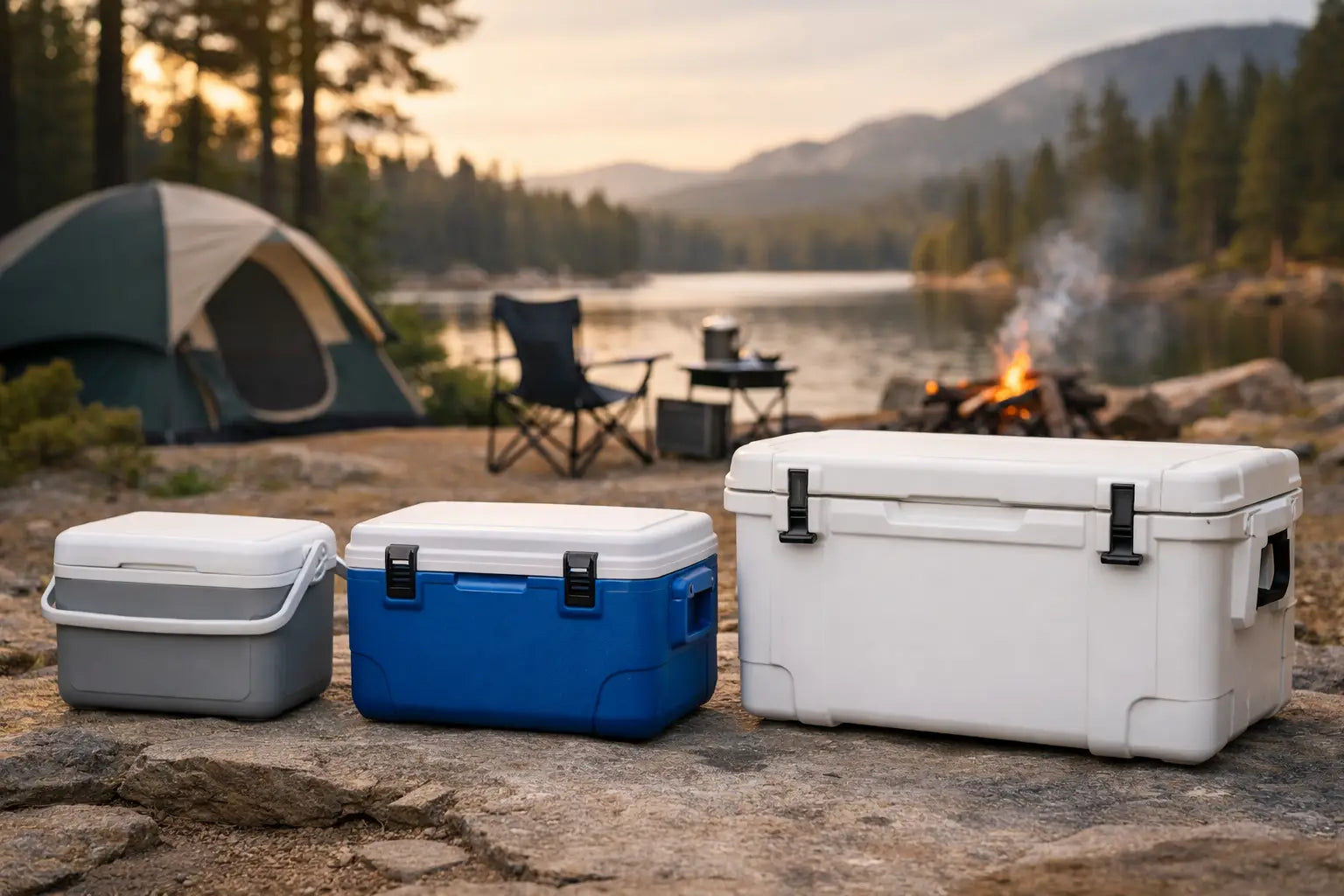

A cooler that is too small turns day two of camp into a hunt for melting ice. One that is too big eats up truck-bed, trunk, or RV space and can be a backbreaker when it is full. If you are asking what size cooler for camping, start with the food you need to protect, then factor in people, days, temperatures, and how far you will carry it.
The right answer is not always the biggest cooler you can fit in the vehicle. A well-sized cooler keeps food cold longer, wastes less ice, and makes camp setup easier. Gear up for the trip you are actually taking.
Cooler capacity is usually measured in quarts. As a quick rule, plan on roughly 20 to 30 quarts of cooler space per person for a weekend trip when one cooler is handling food, drinks, and ice. That range changes depending on your menu and whether you are bringing canned drinks, bulky packaged foods, or frozen meals.
For a solo camper or couple heading out for one night, a 20- to 35-quart cooler is often enough. It holds a basic dinner, breakfast, snacks, drinks, and enough ice for a short stay without becoming awkward to carry. This is a smart size for tent camping, fishing overnighters, and quick trips where vehicle space is limited.
For two to four people camping for a weekend, look at the 45- to 65-quart range. This is the practical sweet spot for many families and friend groups. It provides room for ingredients, cold drinks, and a healthy amount of ice, while still fitting in most SUVs, pickups, and camp trailers.
A 70- to 100-quart cooler makes more sense for a group of four to six people, a long weekend, or a trip where the cooler will be opened frequently. Think lake weekends, hunting camp, boat-access camping, or a base camp with plenty of people reaching for drinks. At this size, a wheeled model or a cooler with strong side handles is worth considering.
For trips lasting five days or more, do not automatically jump to one giant cooler. Two medium coolers often work better: one dedicated to food and another for drinks. The drink cooler gets opened all day, while the food cooler stays shut and cold. That simple setup can stretch your ice much further.
A cooler is not just a box for beverages. Your meal plan decides a lot about the capacity you need.
Campers eating simple meals - sandwiches, hot dogs, shelf-stable sides, and a few breakfast items - can use a smaller cooler than campers packing steaks, marinated chicken, fresh produce, eggs, dairy, and chilled desserts. Prepping food at home also helps. Put meat in leakproof bags, freeze what you will not cook until later in the trip, and remove oversized packaging before you leave.
Drinks are another space hog. A case of canned beverages takes up more room than most people expect, especially after you add ice. If your group wants plenty of cold drinks, either size up or bring a separate beverage cooler. Mixing loose food and drinks in one packed cooler usually means warm food and wasted ice by the second day.
For a family trip, count what children will actually eat and drink instead of using adult-sized estimates across the board. For a fishing or hunting trip, leave room for your catch, game, or extra ice if you plan to transport food home. A cooler that is perfect for getting to camp may be too full for the return drive.
Use these ranges as a starting point, then adjust for your routine:
A 65-quart cooler with poor packing habits can perform worse than a smaller, well-packed cooler. Capacity matters, but insulation, ice quality, outside temperature, and how often you open the lid matter just as much.
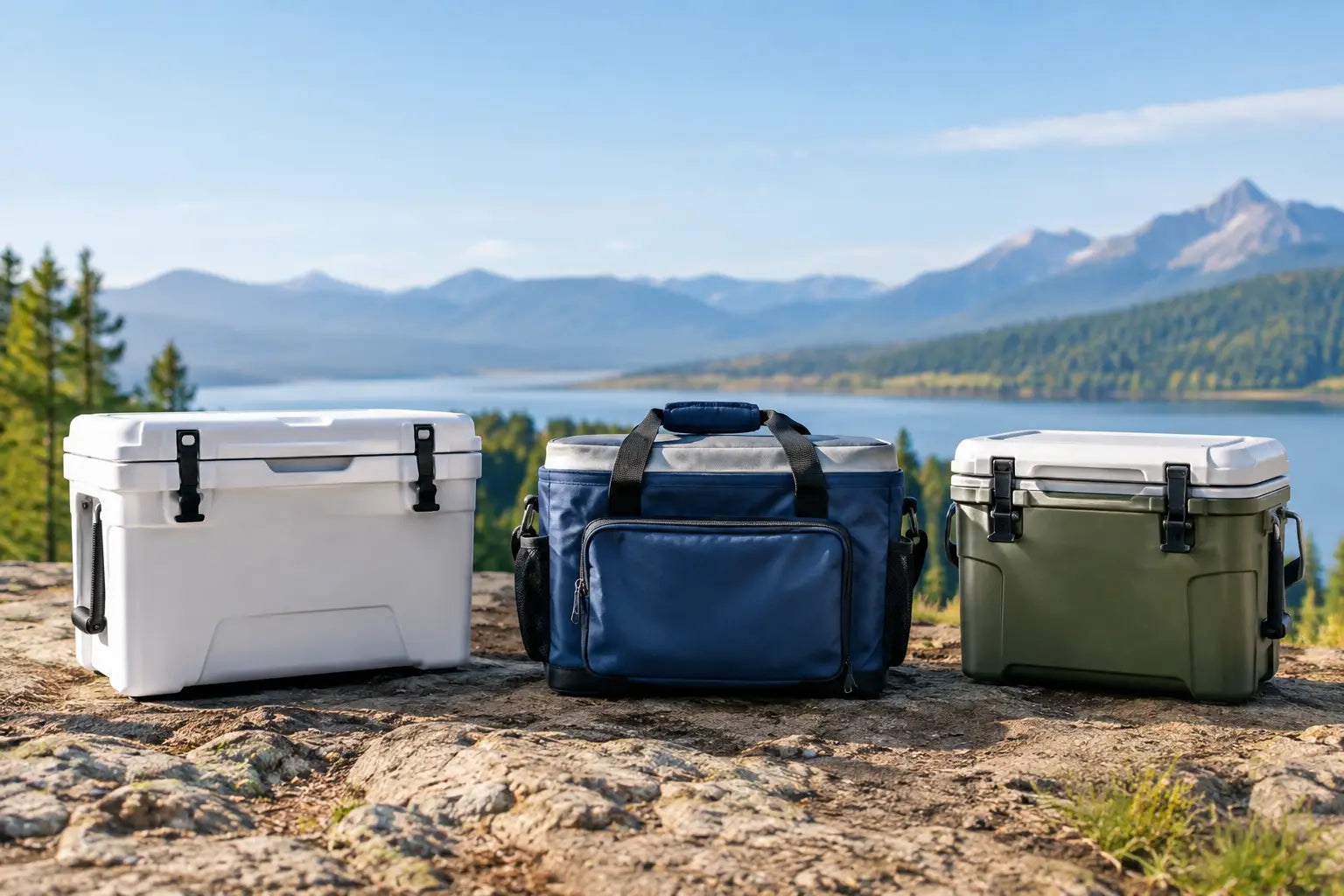
For a single-night campground stay in mild weather, almost any solid cooler can get the job done. For three or four hot days in direct sun, choose a hard-sided cooler with thick insulation, a tight gasket, durable latches, and drainage that does not require leaving the lid open. Rotomolded coolers are built for demanding conditions, but a quality standard hard cooler can be a better value for casual weekend camping.
Soft coolers are useful for day trips, kayak launches, beach camps, and carrying lunch away from the main site. They are not usually the best primary option for a multi-day camping trip unless you have another way to replenish ice. Their advantage is portability, not maximum ice retention.
Leave roughly one-third of your packed cooler for ice or cold packs. A cooler filled to the top with warm food and only a thin layer of ice will not stay cold for long. On the other hand, a huge cooler that is mostly empty holds more warm air each time you open it. Match the interior volume to your load.
A full hard cooler can weigh far more than expected. Water alone weighs over eight pounds per gallon, and melted ice, drinks, and food add up fast. Before buying a large capacity cooler, think about the path from vehicle to campsite. Is it a level pull-through site, a steep tent loop, a dock, or a sandy shoreline?
For car camping, a 55- to 65-quart cooler is manageable for two adults to lift together and is often easier to organize than an oversized 100-quart model. For solo campers, a 35- to 45-quart cooler may be the more realistic choice. If you need more cold storage, split the load between two smaller units.
Wheels can be a major help on pavement and packed campground roads. They are less useful in mud, loose sand, rocky trails, or uneven ground. In those conditions, sturdy handles and a size two people can carry comfortably are more valuable than wheels.
Measure your vehicle before committing, especially if you camp with a packed SUV, truck bed, rooftop tent setup, or travel trailer. Check not only the cooler's length and width but also whether you can open the lid once it is loaded. A tall cooler crammed beneath a tonneau cover or shelf can become frustrating fast.
Pre-chill the cooler the night before with ice or frozen water jugs, then dump that ice before loading your food. Start with cold or frozen food whenever possible. A cooler is designed to hold cold temperatures, not quickly chill warm groceries after a long store run.
Place food for later meals near the bottom and items you will need first near the top. Use frozen water bottles, block ice, or large reusable ice packs for long-lasting cold, then add a small amount of cubed ice to fill gaps. Block ice lasts longer; cubes cool around irregular items more quickly. Using both gives you a practical balance.
Keep raw meat sealed and low in the cooler so leaks cannot reach ready-to-eat foods. Store dry snacks somewhere else. Every item you can keep outside the cooler creates more room for ice and reduces unnecessary lid openings.
If you have room for two coolers, label one Food and the other Drinks. It sounds simple because it is. The group reaches for drinks all day, and your eggs, cheese, and dinner ingredients stay protected in a colder space.
Choose a larger cooler than the basic chart suggests when the forecast calls for high heat, your campsite is far from ice, or your plans include storing fresh fish or game. Size up when you are bringing a lot of cold beverages, feeding a group with fresh ingredients, or camping somewhere with no shade.
You can also size up if you want to avoid grocery stops on the way home. That extra room is useful for leftovers, farm-stand finds, or a packed catch after a successful day on the water. Outdoor Up shoppers who camp across several activities may find that a larger hard cooler earns its space during fishing, boating, tailgating, and hunting seasons too.
The best cooler is the one that fits your trip, your vehicle, and your ability to carry it. Pack it cold, keep it shaded, and open it with a plan. That leaves more time for the fire, the trail, and the reason you came outside in the first place.