Your Cart is Empty


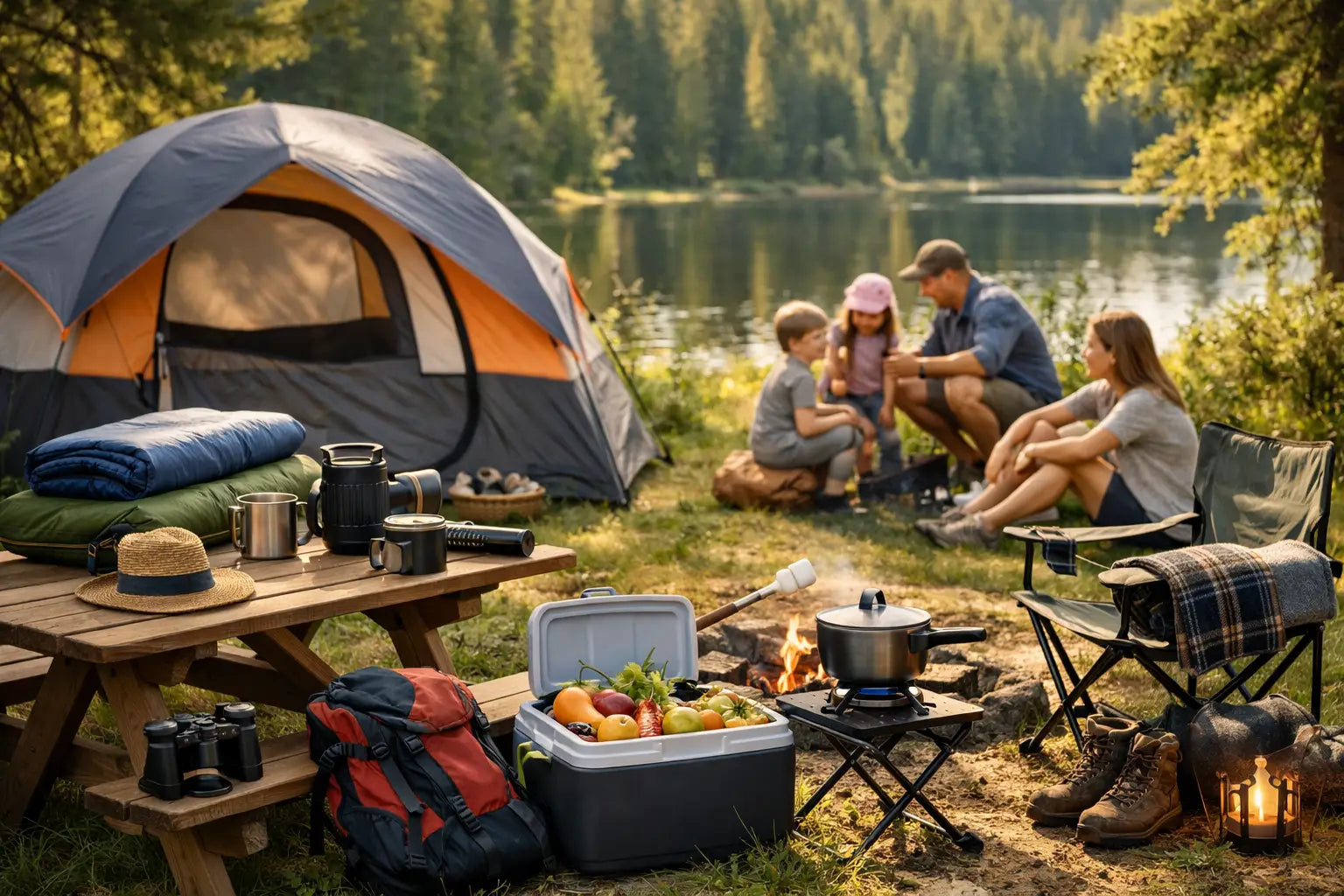

Nobody wants their first night at camp to start with a missing tent pole, cold kids, and a flashlight that died in the parking lot. The best family camping gear fixes those problems before they happen. When you are packing for more than one person, the right setup is not about chasing fancy extras - it is about comfort, reliability, and gear that makes the trip feel easier from the first load-in to the last morning coffee.
Family camping has a different job than solo or backcountry camping. You are building a temporary home, not just a place to sleep. That means space matters, but so do little things like fast setup, dry storage, decent lighting, and enough seating for everyone to relax after dinner. The gear below is what earns its keep on real trips.
For families, every piece of gear should solve at least one common campsite problem. It should keep you dry, help kids sleep, make meals simpler, or cut down on setup time. If it only looks cool in a product photo, it probably does not deserve space in the car.
That is also where smart trade-offs come in. Bigger gear is often more comfortable, but it takes up more room and usually costs more. Lightweight gear is easier to carry, but car campers can usually afford to prioritize durability and comfort instead. For most families, the sweet spot is dependable gear at a practical price - equipment that handles regular weekend use without turning the whole trip into a gear test.
If there is one place to avoid going too small, it is the tent. A family of four can technically fit in a four-person tent, but few families want to. A six-person or even eight-person cabin tent usually makes more sense because it gives you room for sleeping pads, duffels, and the kind of movement that keeps everyone from stepping on each other at bedtime.
Look for near-vertical walls, a simple pole design, and a full rainfly. Those details make a major difference when weather shifts or setup has to happen fast. Screened windows and good roof vents also help reduce condensation, which matters more when several people are breathing inside one shelter all night.
A rough night can derail the next day fast, especially with kids. Family campers should lean toward roomy rectangular sleeping bags or double sleeping bags over tight mummy styles, unless cold weather is the main priority. Comfort wins on most spring, summer, and early fall trips.
Sleeping pads matter just as much as the bag. Thick self-inflating pads or air mattresses can turn a hard campsite into a workable bed, but they come with trade-offs. Air mattresses feel familiar and plush, yet they are more vulnerable to punctures and temperature-related firmness changes. Sleeping pads are usually tougher and warmer. If you camp often, durability usually beats that at-home bedroom feel.
Camp cooking gets easier when you stop trying to do too much over a fire. A two-burner propane stove is one of the best upgrades a family can make because it gives you control, speed, and a backup plan when wood is wet or fire restrictions are in place.
The best options have stable burner spacing, good wind protection, and enough output to boil water while another pan cooks breakfast. If your family likes bigger meals, a stove with a wider cooking surface is worth it. Smaller stoves save space, but they can turn a simple dinner into a balancing act.
The right cooler depends on how you camp. For overnight trips, a basic high-capacity cooler may be enough. For long weekends, summer heat, or campsites far from town, stronger ice retention starts to matter a lot more.
Wheels can be a big help if you are moving gear from the car to the site over gravel or uneven ground. Hard coolers usually hold temperature better, while soft coolers work well for drinks, day trips, or overflow snacks. If your crew burns through food and drinks quickly, it is often smarter to bring two coolers - one for frequent access and one that stays shut as much as possible.
This sounds basic until someone ends up sitting on the cooler because the chairs are flimsy, too low, or impossible to get out of. Family camping chairs should be stable, easy to unfold, and comfortable enough for long stretches around the fire.
For adults, higher-backed chairs with cup holders are usually the safest bet. For kids, smaller chairs can help, but only if they are sturdy and easy to manage. It is also worth thinking about use beyond camping. Good chairs pull double duty at the lake, tailgate, or backyard.
Bad campsite lighting creates chaos fast. You need area light for cooking, cleaning, and getting everyone settled, plus personal light for bathroom trips, early mornings, and anything that happens after dark.
A smart family setup usually includes at least one bright lantern for the table or tent area and a headlamp for each person old enough to use one responsibly. Battery life, brightness settings, and simple controls matter more than flashy features. Rechargeable models are convenient, but replaceable-battery backup is still useful on longer trips.
Many campgrounds provide picnic tables, but not all of them are clean, level, or big enough for cooking and eating at the same time. A folding camp table adds a clean surface for meal prep, gear organization, or games when the weather turns.
This is one of those pieces that does not always make a first-time shopping list, but families tend to appreciate it quickly. If your trips involve more cooking than just heating canned chili, extra surface space feels less like a luxury and more like part of a workable kitchen.
Families go through more water than they expect. Drinking, cooking, hand washing, dish rinsing, and brushing teeth all add up. A large water container with a spigot keeps that supply easier to manage than a pile of small bottles.
Pair that with a basic wash station, collapsible sink, or even a compact basin, and your campsite runs smoother. This is especially helpful when the nearest campground faucet is a walk away. Clean hands and easier dish cleanup can make the whole site feel more organized.
The best family camping gear always includes a first-aid kit, but not the tiny kind stuffed with two bandages and a single wipe. You need a kit that can handle blisters, scrapes, splinters, bug bites, minor burns, and common headaches or stomach issues.
It is worth checking the contents before every trip instead of assuming the kit is ready. Families often need a few extras, especially if anyone has allergies, takes medication, or tends to collect cuts and bruises by noon. Preparedness is not dramatic. It is practical.
Loose gear creates clutter, and clutter slows everything down. Durable storage bins make packing easier, protect food and supplies, and help you find what you need without digging through six bags in the dark.
Clear bins are great for visibility, while dark heavy-duty bins often hold up better over time. A simple system works best: one for kitchen gear, one for sleeping items, one for clothing or personal items, and one for extras like games, cords, and tools. Outdoor Up customers who camp often know this already - organization saves time at camp and at home.
Some gear only matters when conditions go bad, but when they do, they matter a lot. A screen house or canopy can turn a buggy, rainy campsite into a place where your family still wants to hang out. In hot weather, shade is a comfort issue. In light rain, it can save the trip.
You do not need every optional shelter on every outing. But if you camp in mosquito-heavy areas, summer sun, or unpredictable weather, this category deserves more attention than many people give it.
Not every item has to be sized for children, but some should be. Smaller sleeping bags, easy-carry water bottles, and simple flashlights or headlamps help kids stay comfortable and involved. That usually leads to fewer complaints and more enthusiasm.
The trick is avoiding cheap novelty gear that fails halfway through the weekend. Kids do better with straightforward gear that works, even if it is not covered in cartoon graphics. When their gear feels dependable, the whole trip tends to run better.
If you are buying from scratch, start with shelter, sleep, cooking, and lighting. Those four categories shape comfort more than anything else. After that, add convenience pieces based on your actual trip style. If your family mostly camps at developed campgrounds with bathrooms and tables, you can skip some extras. If you stay at basic sites or camp often, those add-ons become more valuable.
It also helps to buy for the trip you will take most often, not the fantasy trip you might take once. A massive camp kitchen may look great online, but it is not the best choice if you mostly do quick weekend getaways. On the other hand, if family campouts are a regular part of your year, spending a little more for stronger materials and easier setup usually pays off.
Good gear does not have to be premium to be dependable. It just has to fit your family, your vehicle space, your camping season, and the way you actually like to spend time outside. Get those basics right, and camp starts feeling less like work and a lot more like the reason you wanted to get outside in the first place.