Your Cart is Empty



Forget one sleeping pad, one lighter, or one dry layer, and a good trip can turn annoying fast. That is why a solid camping checklist example matters - not as a generic packing list, but as a practical way to match your gear to the trip you are actually taking.
Some campers overpack because they do not want to get caught short. Others throw gear in the truck and hope for the best. The sweet spot is in the middle. You want enough equipment to stay safe, dry, fed, and comfortable without hauling half your garage to the campsite.
Before you write down a single item, think through the basics. Are you car camping at an established campground, setting up with kids, or heading to a more primitive site with limited amenities? A one-night summer trip needs a very different setup than a three-night fall weekend with rain in the forecast.
This is where many packing mistakes happen. People use the same list for every outing. That sounds efficient, but camping is all about conditions. Temperature, campsite access, group size, cooking plans, and bathroom access all change what belongs in your bag.
If you are driving right to the site, comfort items make sense. Bigger chairs, extra blankets, a two-burner stove, and a larger cooler can improve the trip. If you need to carry gear from the parking area or expect bad weather, weight and organization matter more than extras.
Your shelter setup is the foundation of camp comfort. Start with the tent, rainfly, poles, stakes, and guylines. It sounds obvious, but tents are one of the most commonly forgotten items because people store poles, stakes, or the rainfly separately after the last trip.
Then build your sleep system around expected overnight temperatures, not daytime highs. A sleeping bag that feels fine at sunset can feel pretty thin at 3 a.m. Add a sleeping pad or air mattress for insulation and comfort, and bring a pillow or packable camp pillow if you want real sleep instead of just surviving the night.
For many campers, this part of the checklist is where spending a little more attention pays off. Cheap or worn-out sleep gear can make an affordable trip feel miserable. If you sleep cold, pack an extra blanket or insulated layer. If you camp in humid or wet conditions, dry storage for bedding matters almost as much as the bedding itself.
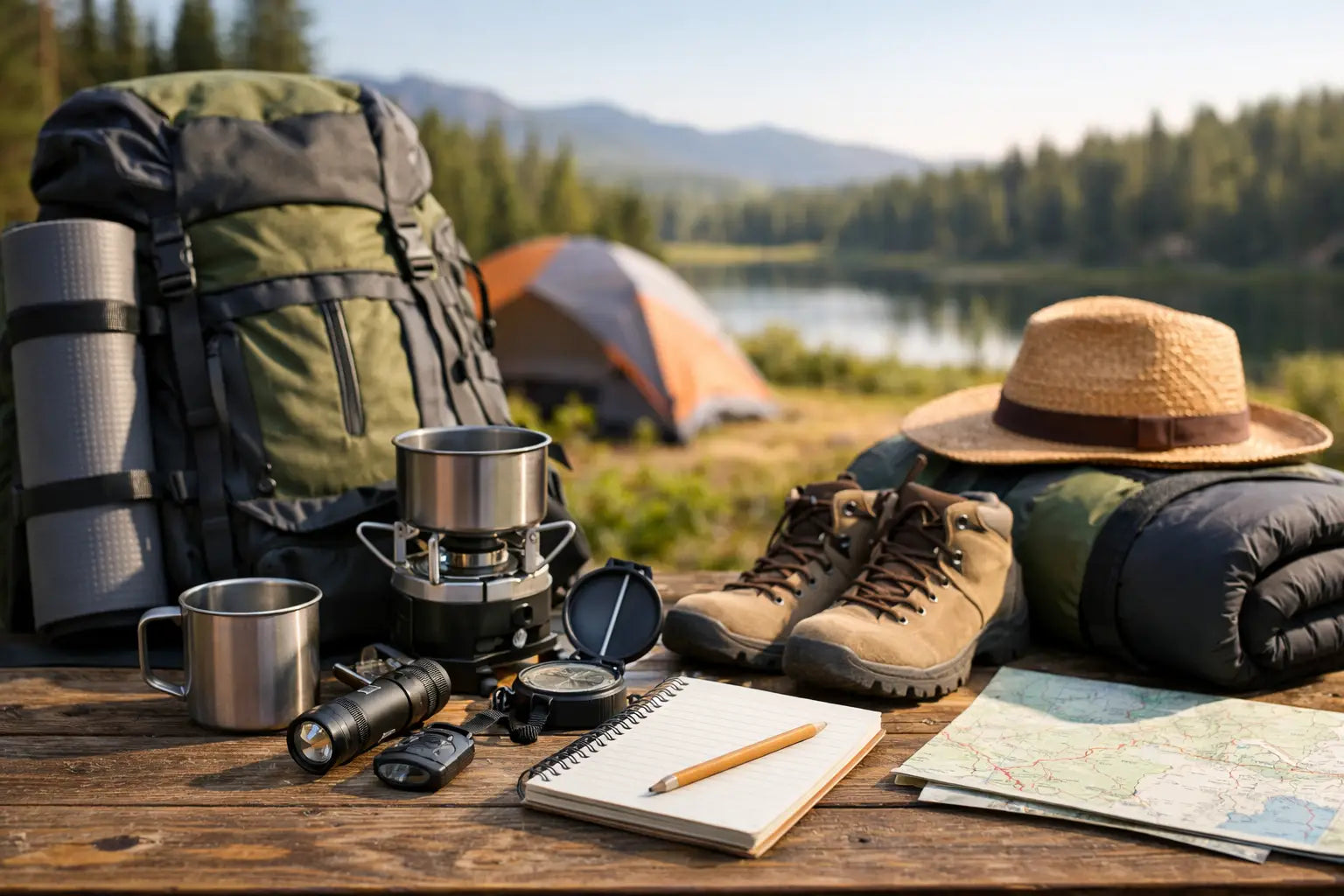
A simple shelter setup usually includes a tent, footprint or ground tarp, rainfly, stakes, mallet, sleeping bag, sleeping pad, pillow, and extra blanket. If rain is possible, add a canopy or tarp for a dry space outside the tent.
Camp clothing is less about style and more about managing weather, dirt, and changing conditions. A reliable camping checklist example always includes layers. Even warm-weather trips can swing cooler at night, especially near water or in the mountains.
Start with daytime basics like moisture-wicking shirts, comfortable pants or shorts, underwear, and socks. Add a warm layer, a rain jacket, and sleep clothes that stay dry and clean. A hat helps in both sun and cool weather, and camp shoes give your boots a break once the tent is up.
The exact amount depends on trip length and whether you can stay dry. For a short weekend, you do not need a fresh outfit for every part of the day. But you do want backup socks and at least one dry change of clothes. Wet socks and damp layers can drag down the whole experience fast.
Food planning is where a lot of campers either overcomplicate things or wing it too much. The better move is to match your kitchen gear to your meal plan. If you are cooking eggs, burgers, coffee, and one-pot dinners, pack for those meals specifically instead of tossing in every pot and utensil you own.
Most camp kitchens need a stove or grill, fuel, lighter or matches, cookware, cooking utensils, plates or bowls, cups, eating utensils, paper towels, trash bags, cooler, ice, food storage containers, and dish soap. Water is another big one. Some campgrounds have potable water, some do not, and some have it available but not close to your site.
A little prep at home saves time at camp. Pre-measure coffee, crack eggs into a sealed container, chop vegetables, and portion snacks. That cuts down on mess, keeps the cooler organized, and makes mealtime easier when you would rather be fishing, hiking, or sitting by the fire.
Cleanup gear gets ignored until the first meal is over. Bring a wash bin or small tub, sponge, biodegradable soap if appropriate for your campsite rules, and extra trash bags. If the site has wildlife concerns, secure food and garbage properly. Convenience matters, but so does keeping a clean camp.
Once the sun goes down, campsite organization gets harder. Headlamps and lanterns are the core lighting setup for most trips. Headlamps keep your hands free for cooking, walking to the restroom, or adjusting gear after dark. Lanterns make the picnic table and tent area more usable.
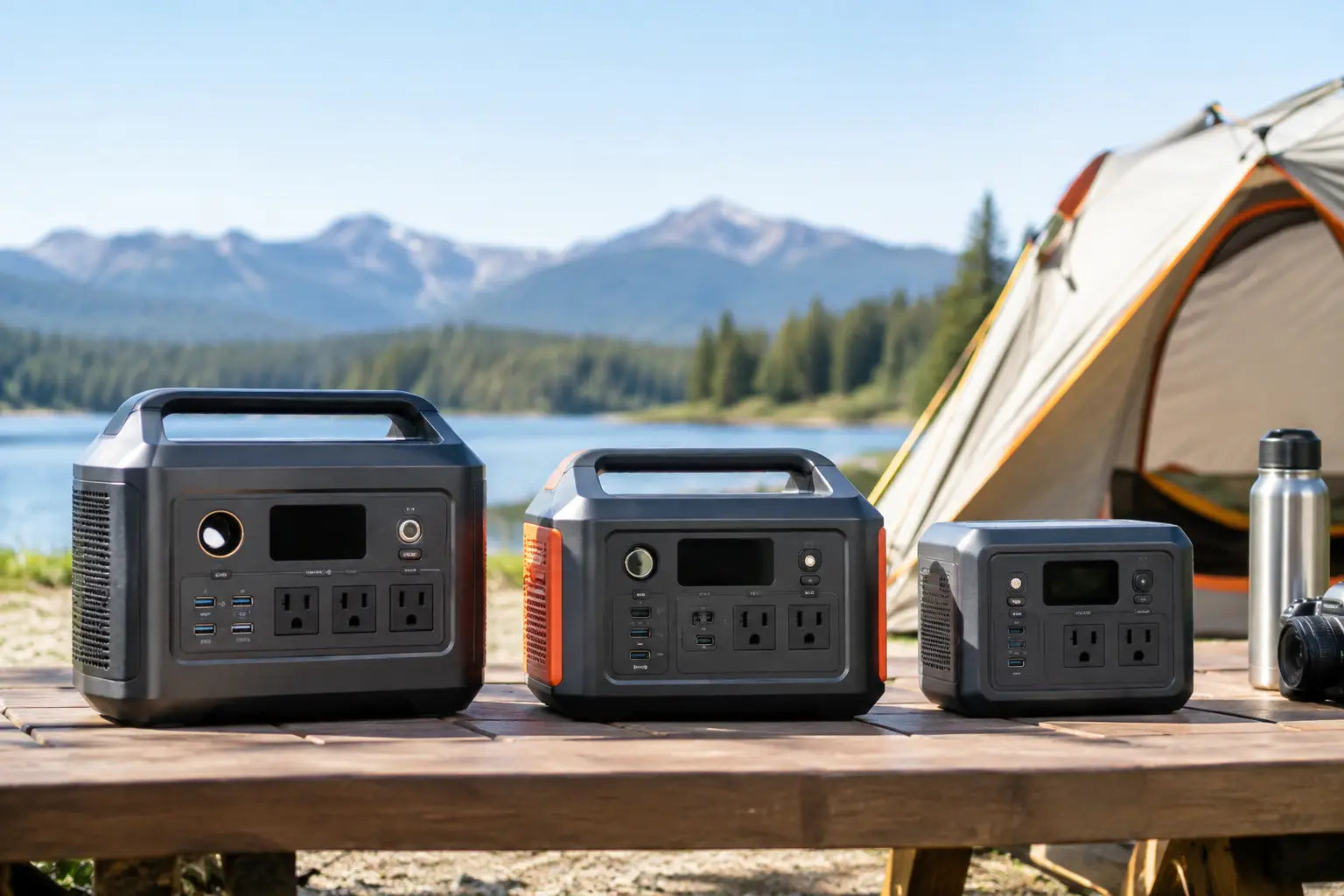
Bring extra batteries or a charged power bank if your devices depend on USB power. If you are camping in a developed area, you may not need much more than basic lighting and a phone charger. In more remote areas, a paper map, compass, or GPS device may still make sense.
This is one of those it-depends categories. Some campers want minimal tech and some like backup power for phones, lights, and small accessories. Neither approach is wrong. The key is to know what you are relying on before you leave home.
A strong checklist is not just about comfort. It is also about handling small problems before they become bigger ones. Every camp setup should include a first aid kit, medications, sunscreen, bug spray, and a basic repair kit. Duct tape, a multi-tool, and a few spare cords or straps can solve a surprising number of campsite issues.
Weather readiness deserves its own check. If rain is in the forecast, pack extra dry bags or plastic storage bins, a rain jacket, waterproof footwear if needed, and one full dry outfit reserved for camp. If heat is the issue, bring more water than you think you will need, plus shade options and breathable clothing.
Fire safety matters too. If fires are allowed, bring fire starters, matches or a lighter, and check local burn restrictions before you go. Never assume you can buy firewood on arrival or gather it at the site.
Toiletries, towels, toilet paper, hand sanitizer, and any site-specific bathroom supplies belong on the list. At established campgrounds, you may have easy restroom access. At more primitive sites, you may need a different sanitation plan altogether.
Then come the quality-of-life items. Camp chairs, a folding table, a rug or mat, games, fishing gear, and a daypack can all make the trip better. These are not always essential, but for car camping they often earn their space.
That is where practical packing beats strict minimalism. If you have the room and the item improves comfort or convenience, bring it. Just avoid packing random extras with no clear use. Better adventures come from being prepared, not from hauling dead weight.
Use this as a starting point, then trim or add based on your trip:
The best checklist is not the longest one. It is the one that gets sharper every time you camp. After each trip, take two minutes and note what you never used, what you wished you had, and what needs replacing before the next outing.
That habit turns a basic camping checklist example into a personal system. You pack faster, waste less space, and head out with more confidence. And when gear is chosen with the trip in mind, camp feels easier from the minute you arrive.
Get outside more, but pack like you mean it. A smart checklist does not just help you remember gear - it gives you more time to enjoy the trip once you are there.