Your Cart is Empty


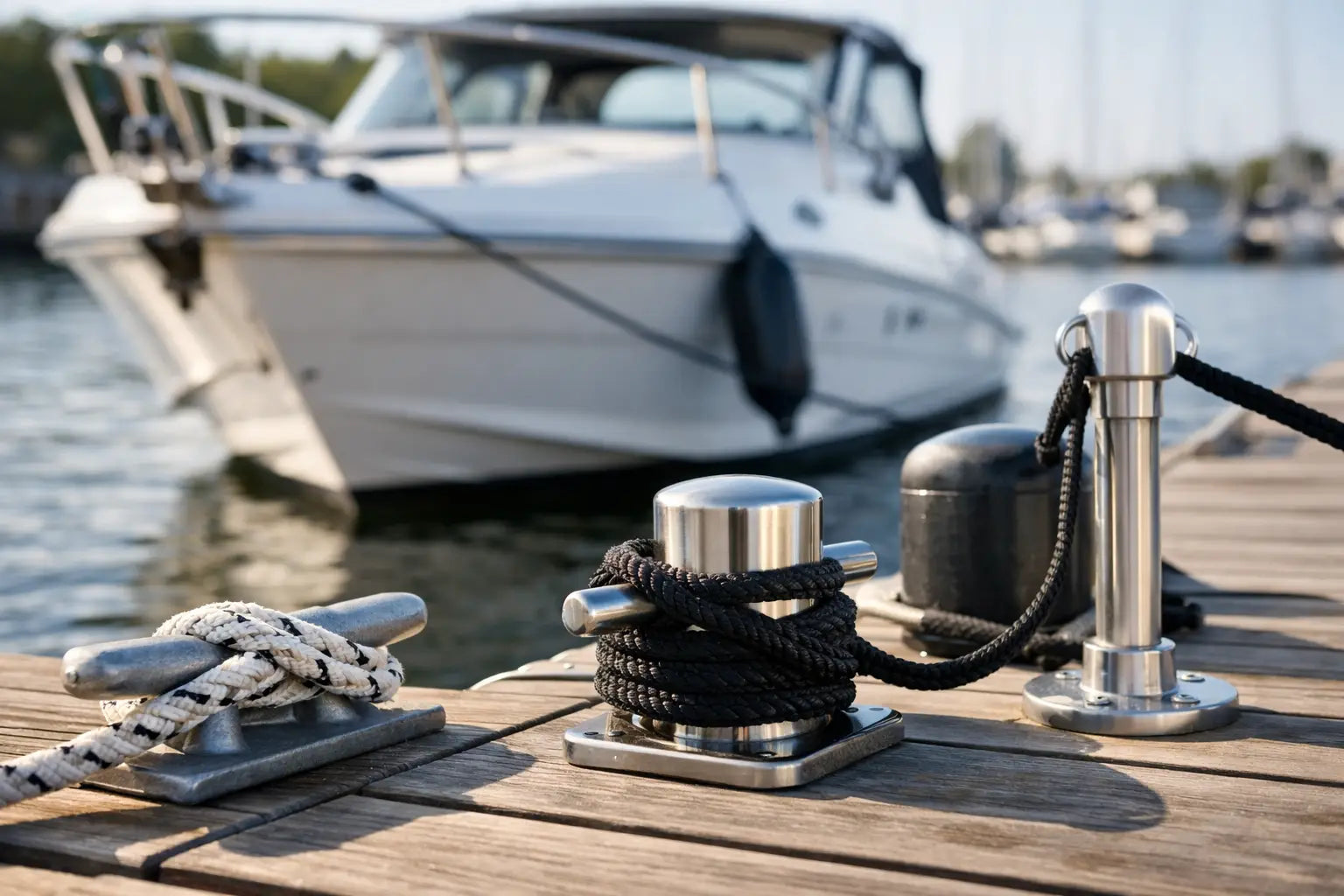

A clean docking job usually comes down to a few seconds and a few pieces of gear. This boat docking equipment guide is built for boaters who want fewer scrapes, less guesswork, and a faster way to get tied up when the wind pushes, the current pulls, or the dock gets crowded.
You do not need a marina full of hardware to dock well. You need the right basics, sized correctly, set up before you approach, and ready to work when things get busy. For most recreational boaters, that means focusing on protection first, control second, and convenience third.
Docking gear has one job - protect your boat and help you secure it without drama. The trick is knowing which items are essential and which ones are just nice to have.
The core setup usually starts with dock lines, fenders, and dependable cleat connection points. Add dock bumpers or edging if you keep your boat at the same slip regularly. If you trailer to different ramps and docks, your priorities shift toward portable gear that adjusts quickly and stores easily.
That trade-off matters. Permanent dock protection can save wear over time, but portable fenders give you flexibility when you pull alongside fuel docks, marinas, floating docks, or rough wooden piers. A lot depends on where you boat and how often you tie up overnight.
Dock lines do more than hold the boat in place. They help manage movement, reduce shock, and keep the hull from drifting into trouble while you step off or load gear.
For most setups, you will want bow lines, stern lines, and at least one spring line. Bow and stern lines keep the boat positioned. Spring lines limit forward and backward movement, which becomes a bigger deal in wind, wakes, or tidal water.
Material matters here. Nylon is a common choice because it has stretch, and that stretch helps absorb shock. That is useful at a fixed dock where boats get bounced around. The downside is that stretchy line can feel a little less precise when you want tight control during a quick tie-up. Polypropylene floats, which some boaters like around the water, but it is generally less forgiving and less durable for serious docking duty.
Diameter should match the boat size, but there is no prize for going oversized on every line. Thick rope is harder to handle, slower to knot, and bulkier to store. You want a line that feels secure in hand and fits your cleats properly without becoming a hassle.
Pre-rigged loops can speed things up for beginners, especially when docking with family or guests who are helping. If your crew is not experienced, simpler is better.
If there is one item boaters regret not having enough of, it is usually fenders. They create a cushion between your hull and the dock, pilings, or another boat, and they can turn a rough approach into a minor bump instead of an expensive repair.
Cylindrical fenders are the everyday choice because they work in a wide range of docking situations. Round ball-style fenders shine in higher-contact points, rougher conditions, or spots with pilings. Flat fenders can be useful where storage space is tight or where you want broader contact against a dock face.
Size matters more than many first-time buyers expect. Small fenders on a heavier boat do not provide much protection, especially when wakes roll through. Larger fenders cost more and take up room, but they usually perform better and give you more margin for error.
Placement matters just as much as size. Set them where contact is likely, not where it looks tidy. That usually means near the widest point of the hull and near the bow or stern depending on dock height and approach angle. Floating docks and fixed docks create different contact points, so be ready to adjust.
A common mistake is hanging fenders too high. If the dock sits lower than expected, the hull can still hit first. Before you come in, take a second to check dock height and move them accordingly.
Strong lines are only as useful as the points they attach to. Boat cleats need to be secure, properly backed, and sized for the line you use. On the dock side, you may be working with cleats, rings, posts, or pilings, so your setup should be flexible.
Traditional cleats are the standard because they are simple and reliable. Fold-down cleats can reduce snagging on deck, which is handy on smaller boats, but they should still be heavy-duty enough for real loads. If you are upgrading hardware, strength and corrosion resistance matter more than appearance.
Some boaters like snap hooks or quick-connect hardware for speed. These can be convenient, especially for repetitive docking in the same slip, but they are not always the best choice in rough conditions. Extra hardware adds failure points and can bang against the boat if left loose. For many people, well-made line and a clean cleat tie remain the better long-term setup.
If you dock in the same place often, protecting the dock itself can make life easier. Dock bumpers, corner bumpers, and edging give you a fixed layer of protection that stays in place whether your fenders are set perfectly or not.
This is especially useful on rough wood docks, exposed corners, and high-contact slips where wind tends to push the boat toward one side. Bumpers can also help when multiple people use the dock and not everyone rigs fenders the same way.
The trade-off is that dock-mounted protection is location-specific. It helps a lot at your home slip and not at all when you pull into a restaurant dock or public marina. If your boating is mostly day trips with changing docks, put your budget into better fenders and lines first.
Some gear is not essential, but it can make a big difference in convenience. A boat hook is one of the best examples. It helps you grab lines, fend off lightly, or reach a cleat without leaning dangerously. It is simple, affordable, and worth having on almost any boat.
Line holders and storage bags help keep rope from tangling under seats or in wet compartments. That may sound minor until you need a stern line fast and find a knot the size of a basketball. Organized gear is safer gear.
Fender adjusters can also save time if you dock at different heights often. They make it easier to move fenders up or down without retying every time. Not everyone needs them, but they are handy for boaters who move between lakes, marinas, and tidal docks.
The best boat docking equipment guide is not about buying the most gear. It is about matching your gear to your boat size, docking style, and local conditions.
If you run a small fishing boat and mostly tie up briefly at ramps or fuel docks, keep it simple. Good dock lines, two to three properly sized fenders, and a boat hook will cover most situations.
If you own a larger runabout, pontoon, or cruiser and keep it in a slip, invest more in a complete setup. You will want multiple fenders, dedicated bow and stern lines, spring lines, and possibly dock bumpers where contact happens most.
Water conditions matter too. Calm freshwater lakes are more forgiving than tidal marinas, river current, or busy waterways with constant wake action. In rougher areas, heavier-duty lines and larger fenders are worth the extra cost.
Crew experience matters just as much. If you usually boat with new passengers, choose gear that is easy to deploy and easy to understand. The best equipment is the equipment your crew can actually use under pressure.
Most docking damage comes from setup errors, not a total lack of gear. Undersized fenders, worn lines, poor knot knowledge, and last-second preparation cause more trouble than people expect.
Do not wait until you are drifting toward the dock to pull lines from storage. Set your fenders and rig your lines before you enter the slip or approach the pier. That gives you one less thing to fix when the approach changes.
Check your gear regularly. Sun, salt, friction, and mildew wear things down over time. A dock line that looks mostly fine can still fail at the worst moment if chafe has weakened it. Fenders lose performance too, especially if they are underinflated or cracked.
It also helps to avoid overcomplicating your setup. Too many loose lines and accessories on deck can become trip hazards or snags during docking. Keep the system clean and ready.
The right docking gear should make boating easier, not more complicated. Start with dependable lines, enough fenders, and hardware you trust. Then add bumpers, adjusters, or storage solutions based on how and where you dock.
A practical setup beats a fancy one every time. Gear up before you leave the launch, keep your docking kit organized, and give yourself room for changing conditions. When your equipment is ready before the approach starts, tying up feels a whole lot less stressful and a lot more like part of a good day on the water.