Your Cart is Empty


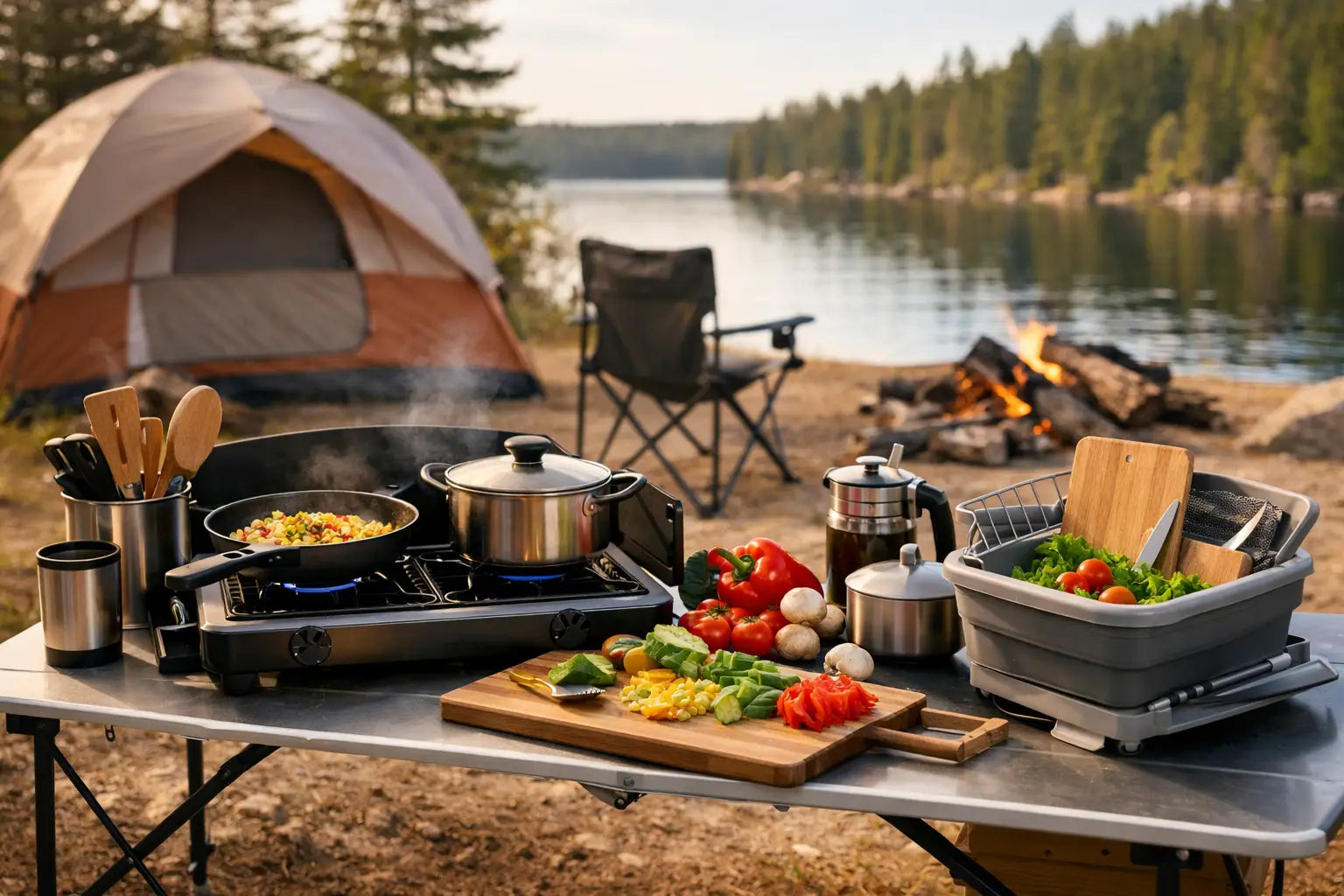

Nobody wants to dig through three bins for a can opener while the pasta water boils over. A good camp kitchen setup guide is really about one thing - making meals outside feel easy. When your stove, prep space, cookware, water, and cleanup system all work together, camp cooking gets faster, cleaner, and a lot more enjoyable.
The best setup is not the biggest one. It is the one that fits your trip style. A solo weekend at a state park needs something very different than a family basecamp with breakfast, sandwiches, and full dinners for four. If you build your kitchen around how you actually camp, you will waste less space, spend less money, and eat better once you get there.
Before you buy gear or pack another tote, think about where and how you camp most often. Drive-up campground campers can use a folding table, larger stove, and full-size cooler without much trouble. If you camp from an SUV, truck, or RV, you have more flexibility with storage and bigger cooking systems.
If your campsites are smaller, rougher, or more exposed to weather, compact gear matters more. Wind can make a powerful stove feel weak. Uneven ground can turn a nice prep station into a wobbling mess. And if you move camp often, a kitchen that takes 25 minutes to assemble gets old fast.
That is why the smartest approach is to choose for repeat use, not for the occasional big trip. A simple, dependable kitchen you can set up in minutes will beat an oversized system that stays in the garage.
A functional camp kitchen does not need to be fancy, but it does need structure. Think in zones. That keeps cooking efficient and helps everyone in camp know where things go.
This is your stove, fuel, lighter, and heat-safe surface. For most campers, a two-burner camp stove is the sweet spot because it gives you enough room to boil water and cook a second item at the same time. A single-burner stove works for quick trips, but it can slow down real meal prep.
Pay attention to fuel type. Propane is common, simple, and easy to replace. But if you camp in colder conditions or cook often, fuel planning matters more than people expect. Running out halfway through dinner is a fast way to ruin the mood.
Keep this zone stable and clear. Do not crowd your stove with utensils, food packaging, and paper towels. Heat and clutter are a bad mix.
You need a clean place to chop, season, assemble, and set things down. Sometimes a picnic table works. Sometimes it is uneven, dirty, or already covered with camp gear. A dedicated folding camp table can make a huge difference, especially on longer trips.
Your prep zone should hold a cutting board, knife, mixing bowl if needed, and a small spot for ingredients. If space is tight, choose gear that nests or folds flat. The goal is enough room to work without spreading your meal across every available surface.
This is where cooler management and dry storage make or break your setup. Keep cold food in one cooler and open it as little as possible. Drinks can go in a separate cooler if your group is large enough to justify it. That is not always necessary, but it helps ice last longer.
Dry goods should live in a sealed bin or tote with categories that make sense to you - breakfast items, snacks, cooking staples, and dinner ingredients. If everything gets tossed together, setup and meal prep slow down right away.
Wildlife matters here too. In some campgrounds, poor food storage is not just messy - it is unsafe. Use sealed containers, follow local food storage rules, and never leave food or trash sitting out.
Most camp kitchens are planned around cooking and ignored at cleanup. That is backward. Cleanup is what decides whether your next meal starts smooth or starts with a pile of greasy pans.
A good wash zone needs water, biodegradable soap where allowed, a scrubber, a dish tub or basin, and towels or a drying rack. If the campground has a wash station, great. If not, bring what you need to handle dishes at camp without turning the picnic table into a soggy mess.
Paper towels help, but they should not be your whole plan. A small trash bag setup and a place for dirty utensils go a long way toward keeping camp organized.
These are the items you always reach for: spatula, tongs, can opener, lighter, seasonings, oil, salt, pepper, mugs, plates, and headlamps for after dark cooking. Keep them together in one caddy, drawer, or small tote.
This is one of the easiest upgrades in any camp kitchen setup guide because it removes the constant searching. If the essentials always live together, packing and unpacking get much easier.
Camp kitchen gear adds up fast. That is why every item should do one of three things well - save time, save space, or improve reliability.
A quality stove earns its space because it affects every meal. So does a stable table if your campsites do not have one. Good cookware matters too, but this is where many campers overpack. You usually do not need a full kitchen battery. One skillet, one pot, and one kettle or coffee solution cover a lot of meals.
The same goes for utensils. Bring the basics you know you will use. Skip novelty gear unless it solves a real problem for the way you camp. Cast iron is great for car camping and longer stays, but it is heavy and slower to clean. Nonstick or hard-anodized cookware is lighter and quicker for most casual trips, though it may not handle abuse the same way. It depends on whether you value durability, weight, or easy cleanup most.
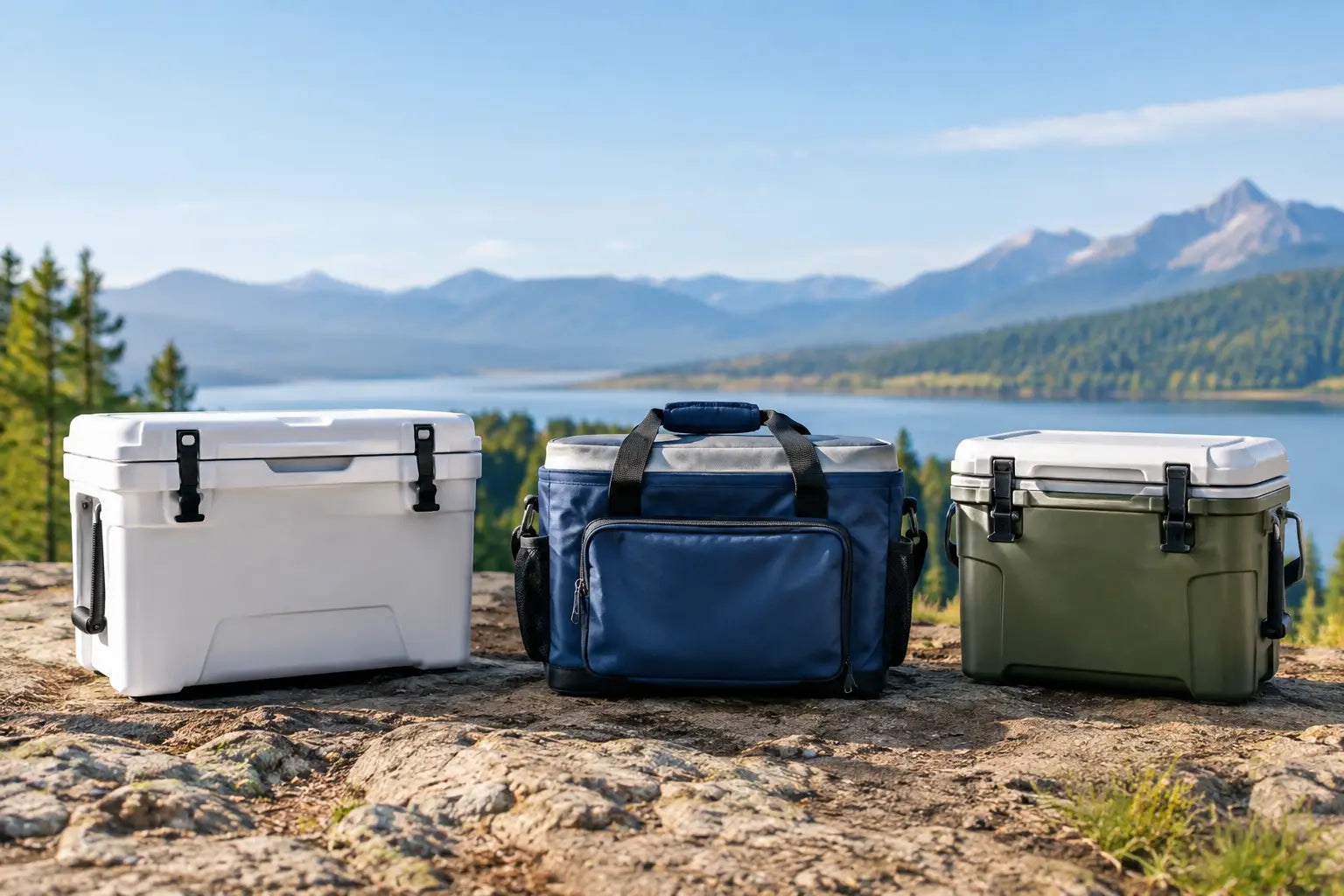
Coolers are another trade-off. A larger hard cooler holds ice longer and handles family trips better. A smaller cooler is easier to move and wastes less space on short overnighters. If you camp often, reliability usually beats maximum capacity.
A clean-looking kitchen is nice. A fast-working kitchen is better.
Set your kitchen so the flow makes sense: food storage near prep, prep near stove, wash area off to the side, and trash within reach but not underfoot. That way you are not constantly crossing back and forth with a hot pan in one hand and a cutting board in the other.
If wind is a factor, place the stove where it has some shelter, but never in an enclosed area that creates a ventilation hazard. If rain is possible, think ahead about cover. A canopy or awning can save a trip, but only if you still have safe airflow around your stove.
Night cooking is another detail people forget. One lantern for the whole site may not light the stove well enough. A focused light over the prep or cooking area makes dinner easier and safer.
The best camp kitchen is easy to pack in a repeatable way. That means less random stuffing and more fixed homes for key items.
Use one tote for cooking gear, one cooler for cold food, and one dry food bin if your trip is more than a quick overnight. Inside your cooking tote, group things by task. Put all stove-related gear together. Keep utensils in one pouch or roll. Store cleanup supplies in their own bag so they are not mixed in with cookware.
This matters on the front end and the back end. When you get home, restock right away. Replace fuel, refill seasonings, wash dish towels, and return missing tools before the next trip. A half-packed kitchen creates last-minute mistakes.
For families or group trips, label bins simply. Anybody should be able to find plates or coffee gear without asking. That sounds small, but it keeps the whole camp moving.
If you are building your first real camp kitchen, do not overcomplicate it. Start with a stove, fuel, one pot, one pan, a prep surface, cooler, water container, utensils, plates, mugs, dish bin, soap, and trash bags. Add from there based on what you actually missed.
That last part matters. New campers often buy for every possible scenario. Experienced campers usually do the opposite. They build around repeated use, then upgrade the weak points. Maybe you learn your cheap cooler is the problem. Maybe your campsite never has enough table space. Maybe breakfast for four really does justify a larger stove.
Outdoor Up serves a lot of campers in that exact stage - not looking for fancy extras, just gear that works, packs well, and holds up trip after trip.
Most camp kitchen problems come from poor layout, overpacking, or ignoring cleanup. Bringing too much gear creates clutter. Bringing too little of the right gear creates frustration. A giant tote packed with random kitchen items is not efficient just because everything is technically there.
Another common mistake is planning meals that ask too much from the setup. If your kitchen is basic, choose meals that fit it. One-pan dinners, foil packet meals, grilled proteins, breakfast burritos, and simple pasta dishes are easier to manage than anything requiring six ingredients on the stove at once.
It also helps to prep at home. Chop vegetables, portion spices, marinate meat, and pack ingredients by meal. A little work before the trip makes your campsite kitchen feel twice as capable.
A well-set camp kitchen does not need to impress anyone. It just needs to help you cook without hassle, clean up without dread, and get back to the part you came for - being outside a little longer with a good meal waiting.