Your Cart is Empty


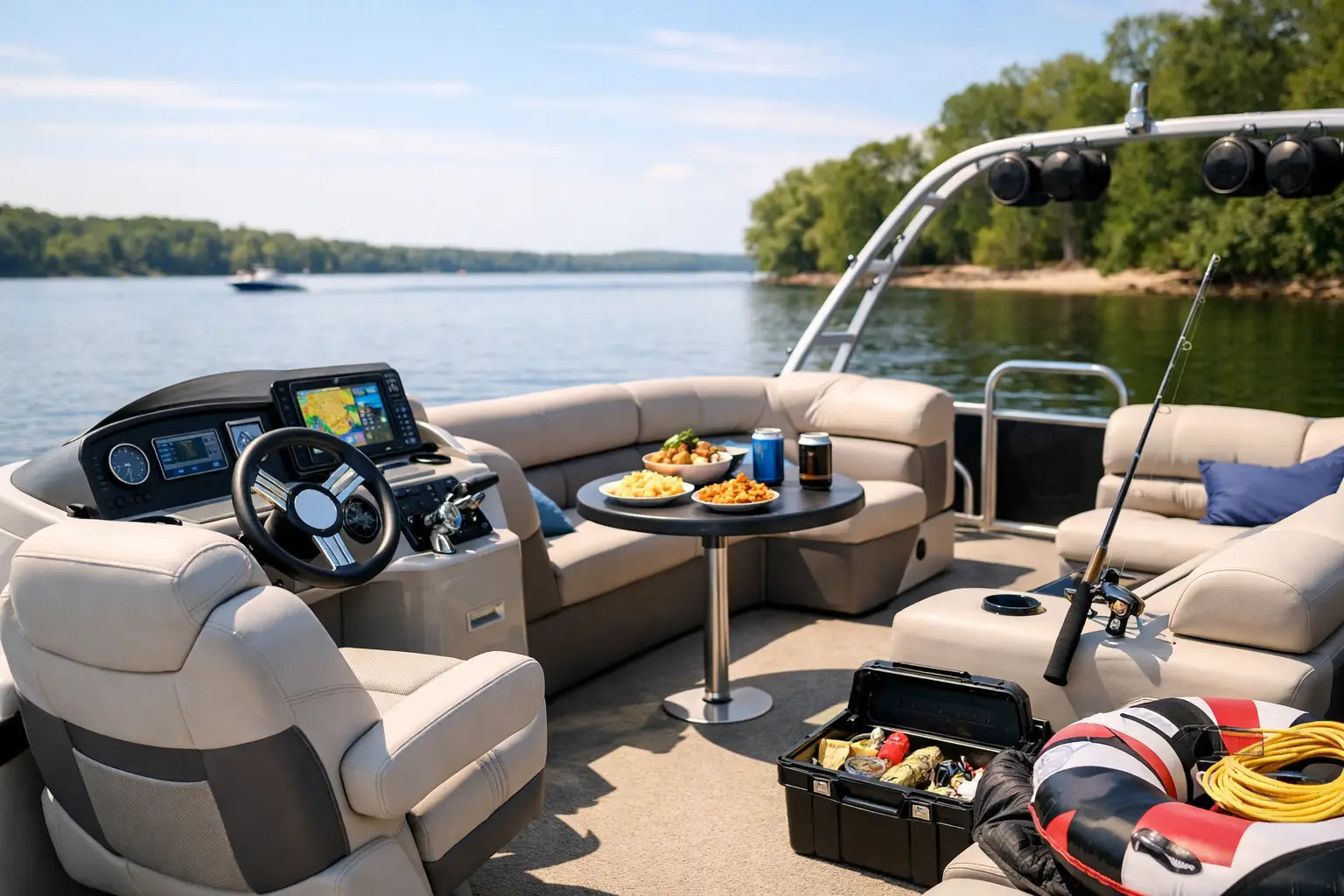

A bare pontoon looks roomy at the dock. Five minutes into a real day on the water, that open space starts feeling unfinished. Towels slide around, tackle ends up under seats, drinks warm up fast, and somebody always asks where the life jackets are. If you're figuring out how to outfit pontoon boat use for fishing, cruising, swimming, or family weekends, the best setup starts with what kind of day you actually want on the water.
That matters because pontoons can do a lot, but they do not do everything equally well right out of the gate. A party setup is different from a fishing setup. A kid-friendly layout needs different gear than a quiet sunset cruiser. The smartest approach is to build from the essentials first, then add comfort and activity-specific upgrades that match how you use the boat most often.
It is easy to shop for speakers, coolers, and tow bars first. Safety gear should still be the first money you spend. Every pontoon needs properly sized life jackets for every passenger, and it helps to keep them organized where people can grab them fast instead of buried in a storage bin under three beach bags.
You will also want a throwable flotation device, fire extinguisher, first aid kit, sound-producing device, dock lines, and good fenders. If you boat after dark or in changing weather, dependable navigation lights and a strong spotlight move from nice-to-have to necessary. A basic tool kit and extra drain plugs are worth keeping onboard too. None of this is flashy, but all of it makes the rest of the day easier.
Storage plays a big role here. Safety gear only helps if you can reach it. Many pontoon owners make the mistake of using every compartment for convenience items and leaving required gear scattered around the deck. Give safety items a dedicated home and keep it consistent.
Once the safety basics are handled, comfort starts doing the heavy lifting. Pontoon boats are built for long, relaxed days, so seating and shade deserve real attention. If your factory seats are still in good shape, adding supportive cushions, armrest organizers, and better seat covers may be enough. If they are cracked, stiff, or poorly arranged for how you entertain, replacing sections of seating can completely change the feel of the boat.
Shade is the next big quality-of-life upgrade. A solid bimini top is one of the best additions you can make for family boating, especially in peak summer sun. If you regularly spend full days on the lake, extended coverage is usually worth it. The trade-off is that larger tops can slightly limit casting room for anglers and may affect the clean open look some owners want.
Flooring matters more than many first-time owners expect. Pontoon decks take a lot of abuse from wet feet, sunscreen, fish slime, pets, and coolers. If your flooring is slick or worn, upgrading to a more grippy, easy-clean surface makes the boat safer and easier to maintain. It also cuts down on that tired, dated look older pontoons can develop.
The fastest way to waste money is to outfit for every possible activity at once. Most owners have one main use and one secondary use. Start there.
If your pontoon is mainly for family cruising and sandbar days, focus on a better cooler setup, extra cupholders, onboard trash storage, dry storage bags, and swim-friendly accessories. A sturdy boarding ladder and a changing area can have more real-world value than a flashy electronics upgrade.
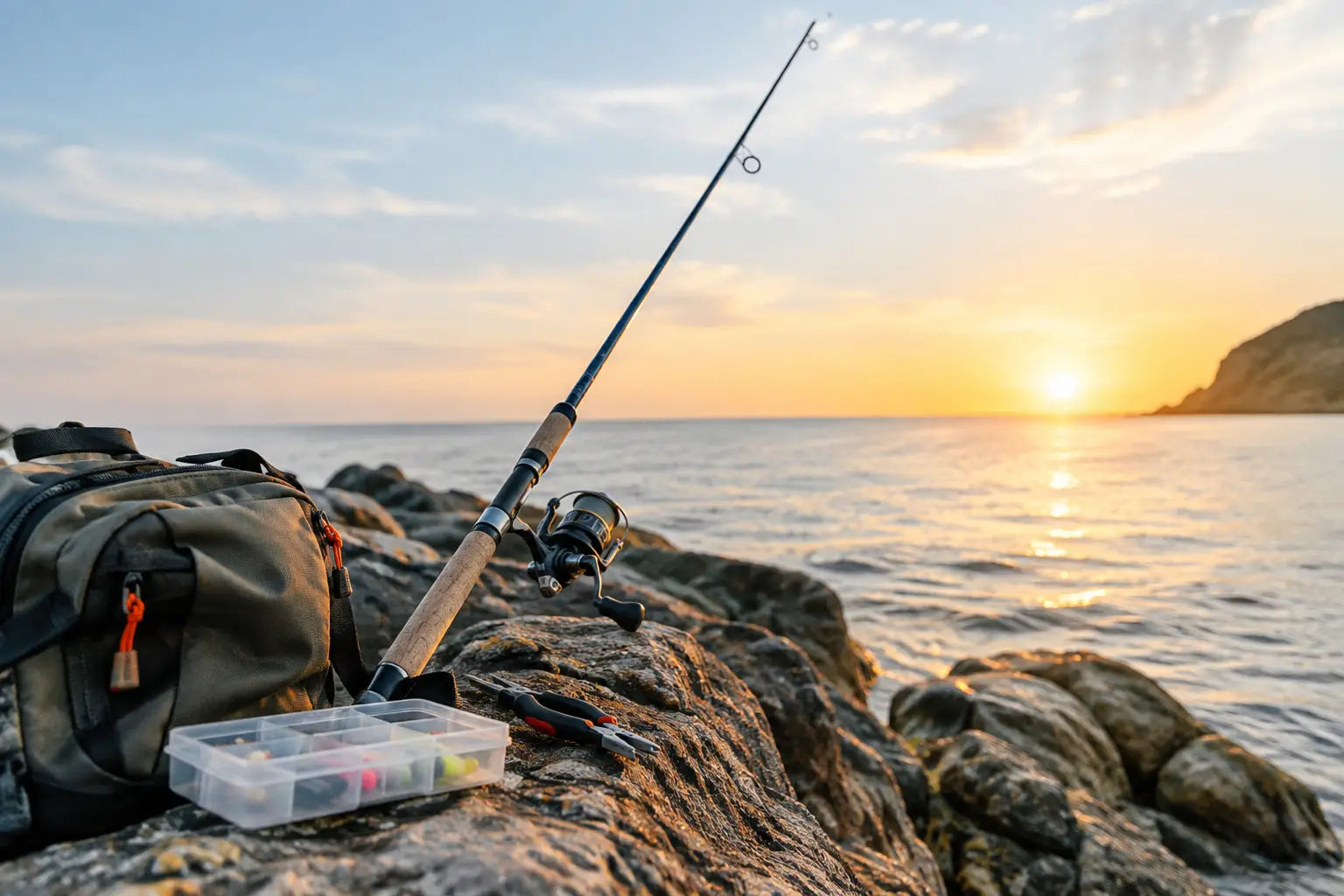
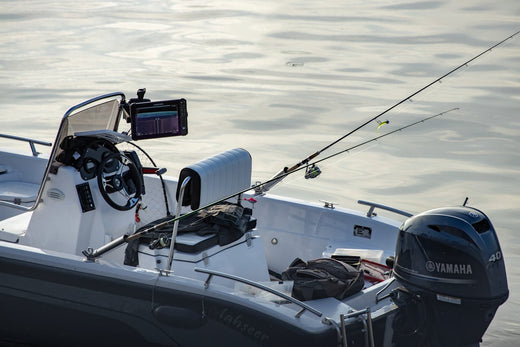
If fishing is the priority, your deck needs to stay more open. Rod holders, tackle storage, tool organizers, a livewell option, and fish-finding electronics start making sense. In that case, oversized lounge pieces and too many loose comfort items can get in the way. A fishing pontoon should still be comfortable, but it should stay easy to move around.
If you tow tubes or pull kids on watersports gear, your focus changes again. A proper tow bar or ski pylon, heavy-duty ropes, storage for life vests, and quick boarding access become central parts of the layout. You may also want traction mats near the rear entry points where wet feet and fast movement are common.
Storage is where good pontoon setups separate themselves from cluttered ones. A clean deck is not just about appearance. It is safer, faster to move around, and a lot more relaxing when gear has a place.
Under-seat compartments are obvious, but they work better when organized by purpose instead of by whatever fits. Keep one space for safety items, one for watersports gear, one for fishing gear, and one for comfort items like towels or extra layers. Small bins and soft-sided organizers help prevent that messy pileup that happens by midseason.
Dry storage deserves extra thought. Phones, wallets, keys, paperwork, and extra clothes should not be riding loose in random compartments where spray or rain can get to them. Weather-resistant boxes and bags are a simple upgrade that saves headaches.
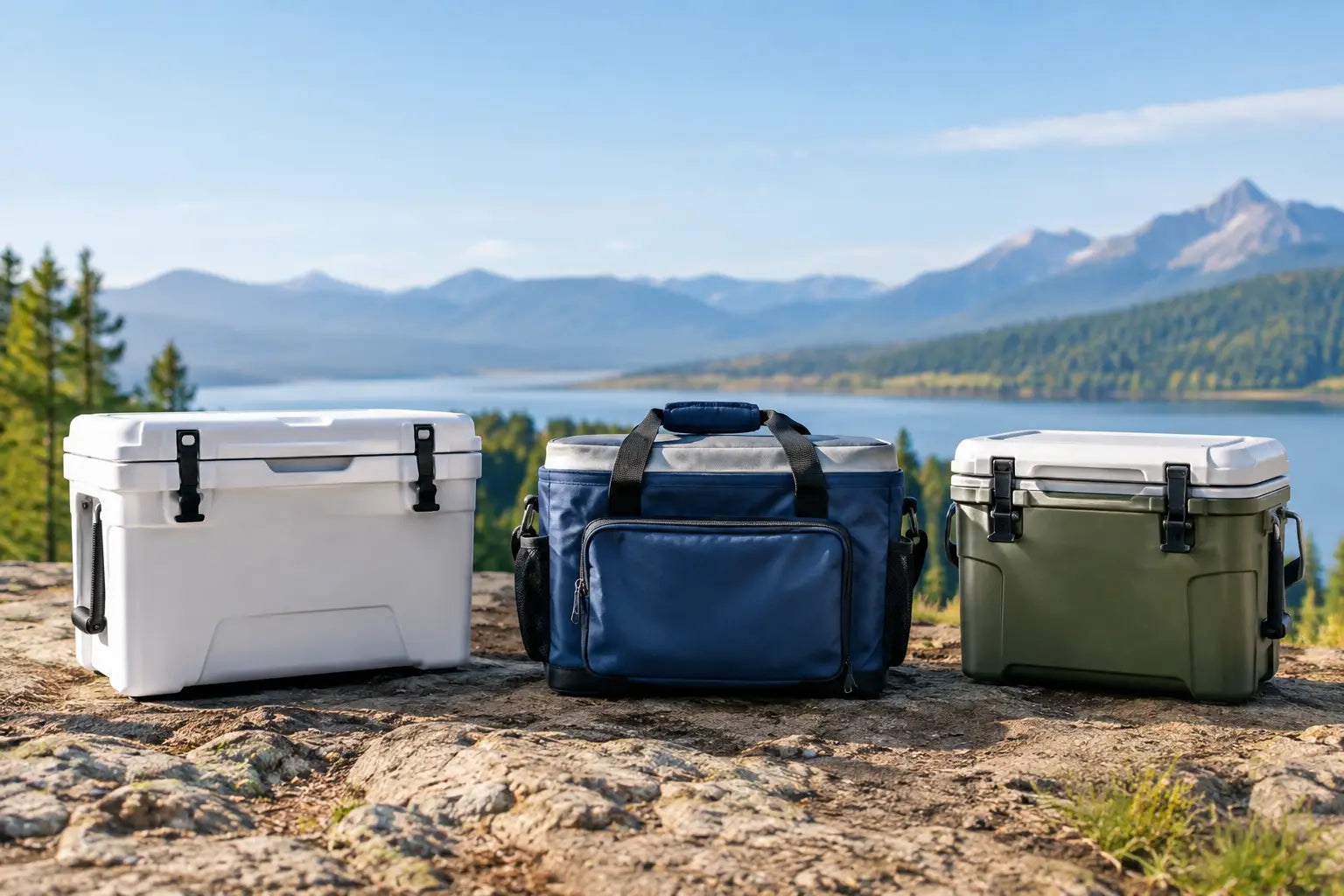
Cooler placement is another small choice with big impact. Put it where people can reach it without blocking the main walkway. If everyone has to step around it all day, it is in the wrong spot. The same goes for inflatables, ropes, and anchors. Easy access matters, but clear traffic flow matters more.
A pontoon does not need to look like a tournament boat or offshore rig to be well equipped. For most owners, the best electronics are the ones that improve safety, navigation, and convenience without turning the helm into a control panel overload.
A reliable fish finder or chartplotter can be a great fit if you fish or cruise on larger water. A quality stereo is one of the most common upgrades, and for good reason, but there is a point where more speakers stop adding value and start eating up storage, power, and budget. If you like music on the water, prioritize clean sound and weather resistance over sheer volume.
Charging options are worth adding early. USB ports, 12-volt outlets, and battery management upgrades make everyday boating easier, especially if you run lights, pumps, electronics, and audio for long stretches. The trade-off is battery draw. If you add accessories without thinking about power use, you may create reliability problems you never had before.
A lot of pontoon stress happens in the last 50 feet before the dock. Good docking gear is one of the least glamorous upgrades and one of the most useful. Quality dock lines, fenders sized for your boat, cleat access, and an anchor setup you can deploy quickly all make boating smoother.
If you spend time beached out or hanging in coves, your anchoring setup deserves more than an afterthought. The right anchor style depends on where you boat most - muddy bottoms, sand, rock, and current all change what works best. This is one of those areas where buying the cheapest option often leads to frustration.
There is a temptation to fully load a pontoon all at once. That usually leads to overspending and a deck full of gear you barely use. A better plan is to outfit in stages.
Start with safety, storage, seating comfort, and shade. Then use the boat a few times and pay attention to what keeps coming up. Maybe you thought you needed a bigger stereo, but what you really need is a better ladder and more dry storage. Maybe you planned for all-day cruising and realized your crew mostly wants to swim and tow tubes. Real use tells the truth quickly.
That practical approach also helps your budget. Outdoor gear buying gets easier when you focus on upgrades that solve a specific problem. Reliable, affordable gear that fits your actual routine will almost always beat a premium add-on that looks good in the listing but does not improve your day on the water.
When people ask how to outfit pontoon boat decks the right way, they usually expect a shopping list. The better answer is simpler. Outfit the boat so your most common day on the water feels easy.
Easy means passengers know where safety gear is. Easy means the cooler is within reach, the deck stays clear, and the seats are comfortable enough to use for hours. Easy means your fishing tools are where you need them, your tow gear is ready when the kids ask, and your storage keeps wet, dry, clean, and dirty items from becoming one big mess.
If every upgrade makes the boat more capable without making it more complicated, you are on the right track. Get the basics right, add gear with purpose, and let the way you actually boat shape the final setup. That is how you build a pontoon that earns its space at the dock every weekend.