Your Cart is Empty


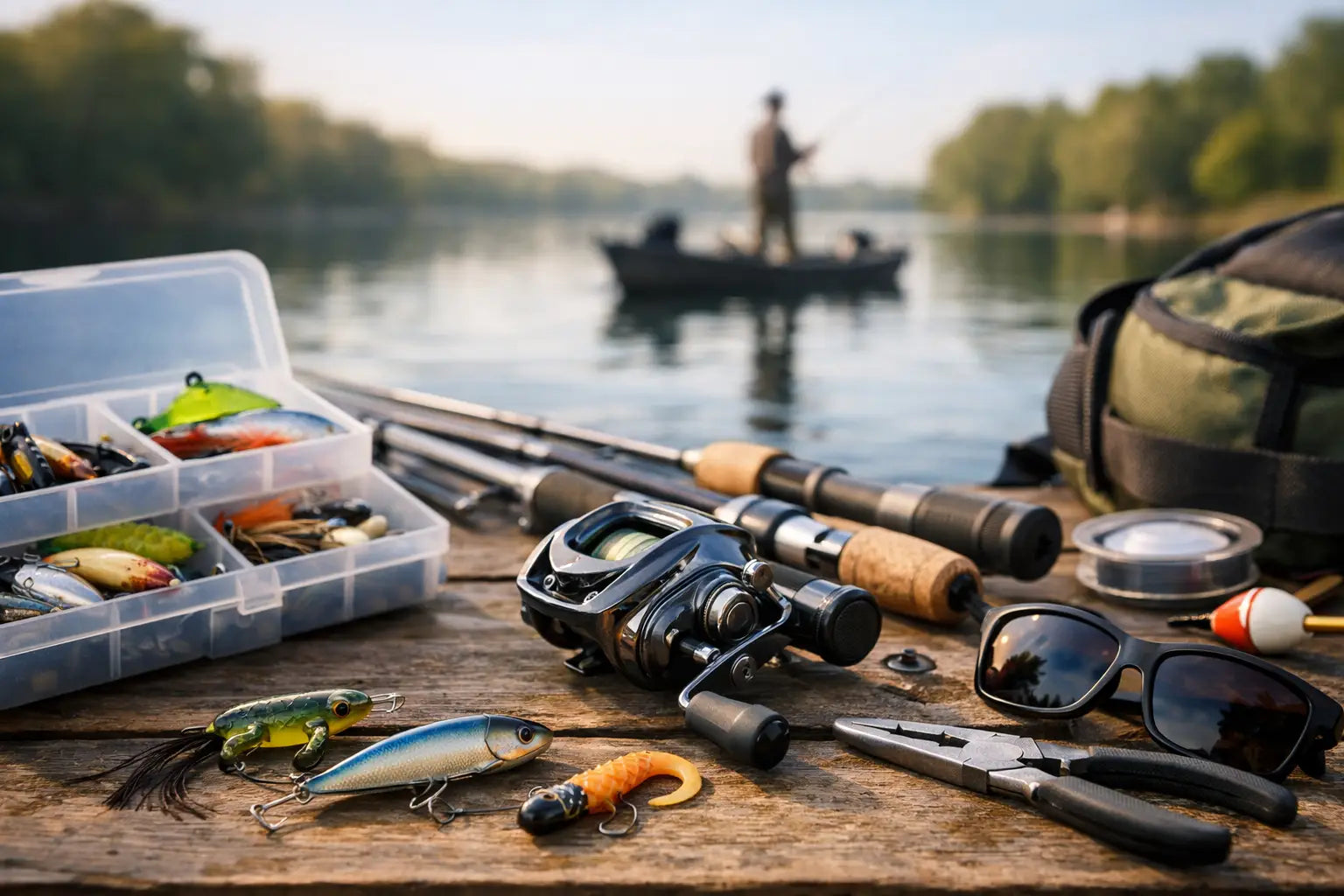

A crowded tackle aisle can make a simple fishing trip feel more complicated than it needs to be. The truth is, the best fishing tackle is not the biggest collection or the most expensive setup. It is the gear that fits where you fish, what you are targeting, and how you like to spend your time on the water.
That matters whether you are buying your first box of hooks for a farm pond or replacing worn gear before a coastal trip. Good tackle helps you cast cleaner, hook fish more consistently, and spend less time fighting your setup. When every piece has a job, your day gets easier.
Fishing tackle covers the working gear between you and the fish. Rods and reels get most of the attention, but tackle usually means the parts that make your presentation happen - line, hooks, sinkers, bobbers, swivels, lures, rigs, leaders, and storage that keeps it all organized.
For most anglers, the smartest way to think about tackle is by function, not by product type. You need something to attract the fish, something to present the bait at the right depth, something strong enough to hold under pressure, and a way to keep it ready for the next cast. Once you break it down like that, buying becomes much more practical.
A bass angler skipping soft plastics around docks needs a different mix than someone soaking cut bait for catfish or drifting live bait for walleye. The mistake many beginners make is buying for every possible scenario at once. A better move is to build around one or two real-world trips and expand from there.
The fastest way to narrow down fishing tackle is to look at your water first. Small ponds, moving rivers, big reservoirs, inshore flats, and surf zones all ask different things from your gear. Current affects weight. Water clarity affects lure choice and line visibility. Cover changes how strong your hooks and leaders need to be.
Species matters just as much. Panfish tackle is usually light, simple, and forgiving. Bass setups often lean toward lure variety and weed-resistant presentations. Catfish tackle needs more strength and abrasion resistance. Saltwater fishing adds corrosion concerns and often demands heavier terminal tackle, even for fish that are not especially large.
This is where practical buyers save money. If you mostly fish neighborhood lakes for bass and bluegill, you do not need to gear up like you are heading offshore. If you spend weekends in current chasing river smallmouth, ultra-light pond tackle will only frustrate you. Match the setup to the job, and you get better performance without overbuying.
Hooks are one of the easiest places to make your setup better. Size, shape, and wire strength all matter. A small live bait hook works for minnows and worms, while a wide-gap hook helps with bulkier soft plastics. Go too large and fish may not commit. Go too small and you may lose fish or tear up bait.
Weights control depth, speed, and contact. Split shot is simple and useful for finesse presentations. Bullet weights pair well with soft plastics in cover. Egg sinkers are common for live bait and bottom rigs. The right weight is usually the lightest one that still keeps your bait where it needs to be. Heavier is not always better.
Swivels, snaps, beads, leaders, and jig heads may seem like small details, but they can clean up a presentation or solve a specific problem. A swivel can reduce line twist. A fluorocarbon leader can help in clear water. A jig head changes how a soft bait falls and tracks. These are small pieces, but they make a noticeable difference.
Line choice shapes everything from casting distance to hooksets. Monofilament is affordable, versatile, and forgiving, which is why it remains a solid option for many general-purpose setups. Braid offers strength and sensitivity with a thinner diameter, which helps in heavy cover or deeper water. Fluorocarbon sinks faster and is less visible underwater, making it a popular choice for clear conditions and bottom-contact techniques.
There is no single best answer here. Mono is easy to manage but stretches more. Braid is strong but more visible and can be harder on light setups. Fluorocarbon performs well in many situations but often costs more. If you are building one flexible freshwater setup, a practical starting point is a dependable main line matched to the type of fishing you do most, then adding leaders when conditions call for it.
Lures get the attention because they are the fun part, but they should still earn their spot in your tackle box. Hard baits like crankbaits, jerkbaits, and topwater plugs cover water well and trigger reaction bites. Soft plastics offer versatility and often work when fish are pressured or less active. Spoons, spinners, and inline blades remain reliable because they are easy to fish and effective across a wide range of conditions.
Color matters, but not always in the way people think. In many cases, profile, action, and depth matter more than owning every color on the peg. Start with natural tones for clearer water and brighter or darker contrast options for stained water. Then build based on what your local fisheries actually reward.
If live bait is your style, the tackle still matters. Bobber rigs, split shot rigs, slip sinker rigs, and jig-and-minnow combinations all present natural bait differently. The right rig can turn a slow day into a productive one, especially for crappie, walleye, trout, and catfish.
A good tackle collection should grow with your fishing, not get ahead of it. Start with a small, useful mix that covers the conditions you see most often. For many freshwater anglers, that means a few hook sizes, several sinker styles, one or two line options, a handful of proven soft baits, a couple moving lures, and an organized box that keeps everything easy to find.
The key is coverage, not clutter. You want options for shallow and slightly deeper water, clear and stained conditions, and active or slower fish. You do not need six versions of the same lure before you know what works in your area.
This is also where affordable gear earns its place. Reliable tackle does not have to be premium-priced to fish well. If the components are consistent, the hooks are sharp, the line is dependable, and the storage holds up, you are in business. Outdoor Up speaks to that kind of buyer for a reason - most anglers want gear that works hard without blowing the trip budget.
Lost time adds up fast when your tackle is a mess. Digging for the right jig head or untangling leaders is frustrating at home and worse on a windy shoreline. A smart storage setup keeps frequently used gear visible, separated, and protected.
Utility boxes are a strong starting point for terminal tackle and hard baits. Soft plastics often store best in their original bags if you want to preserve shape and scent. A small bag or backpack works well for bank fishing, while boat anglers may want larger trays and more specialized compartments.
Organization should follow how you fish. If you switch between bass and catfish often, keep those kits separate. If you fish one local lake every week, build a box around that lake instead of hauling everything you own. Less clutter means faster decisions and more casts.
Most tackle problems are not dramatic. They are small mismatches that stack up. Using line that is too heavy for finesse fishing can reduce bites. Going too light around heavy cover can cost fish. Buying bargain hooks that dull quickly can ruin good chances. Carrying too many lure types can make it harder to commit to what is working.
Another common issue is copying someone else's setup without considering your own water. A lure that dominates on a deep clear reservoir may do very little in a muddy retention pond. Fishing advice is useful, but context always matters.
Confidence matters too. When you trust your tackle, you fish it better. You cast with more focus, work lures more consistently, and spend less time second-guessing. That does not come from owning everything. It comes from knowing why each piece is in your kit.
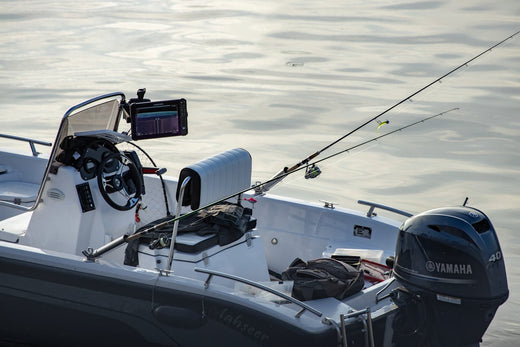
Before you buy anything, think through the next outing as specifically as possible. Where are you going? What species are realistic? Will you fish from shore, kayak, boat, or dock? Are you covering water with lures or fishing slower with bait? Those answers will tell you more than any trend list.
The best fishing tackle supports real use. It holds up in the conditions you actually face, fits your skill level, and makes it easier to stay ready when the bite turns on. Build around that, and your gear will start working for you instead of making decisions harder.
A well-chosen tackle setup does not just fill a box. It gives you one more reason to get outside more, fish longer, and head into the next trip feeling ready.