Your Cart is Empty



A cheap tent that leaks once can ruin your weekend. A tackle bag with the wrong layout turns a simple fishing trip into a hassle. And a cooler that cannot keep ice through the afternoon will remind you fast that outdoor gear is not just stuff - it is part of the plan.
The right outdoor gear helps you move with less stress, stay safer, and enjoy the trip you actually came for. The trick is not buying the most expensive option or the most advanced one. It is buying gear that matches how you get outside, where you go, and how often you use it.
A lot of people shop backward. They start with a product category, compare features, and get buried in choices before they ever define the trip. That usually leads to overspending, underbuying, or ending up with gear that solves the wrong problem.
Start with use case first. A family campground with a short walk from the car calls for different gear than a windy lake day, a weekend in deer camp, or a long stretch towing an RV. The basics may overlap, but performance needs change fast once weather, distance, storage space, and group size enter the picture.
If you camp a few times each year, it makes sense to prioritize ease of setup, comfort, and durability over ultralight specs. If you fish from a boat and from shore, versatile storage and weather resistance may matter more than specialized accessories. If you split time across multiple outdoor hobbies, gear that can pull double duty often gives you better value than highly niche equipment.
That is the first filter. Not what looks best. What gets used.
When you are comparing options, four things usually matter more than flashy extras: reliability, fit for the activity, ease of use, and value over time.
Reliability is the big one. Outdoors, small failures get bigger fast. A weak trailer strap, a bad headlamp battery setup, or a poorly built camp chair may seem minor until you are far from home, losing daylight, or dealing with rough weather. Good gear should feel dependable before the trip starts.
Fit for the activity comes next. This is where buyers often get tripped up. A product can be well made and still wrong for your needs. A bulky sleeping bag may be great for cold weather but frustrating in summer. A large tackle system may hold everything you own but become a pain for quick bank fishing. A hunting pack that shines on all-day hikes may be overkill for shorter outings.
Ease of use matters more than many people admit. Gear should help you get outside more, not create friction. Fast setup, intuitive storage, easy transport, and simple maintenance all add up. If a product is annoying every time you use it, that annoyance becomes part of the trip.
Then there is value. Low price alone is not value, and high price does not guarantee better performance. For most buyers, the sweet spot is gear that holds up well, covers the real need, and does not force you to pay for features you will never use.
Different activities ask different things from your setup, but the same buying logic applies across categories.
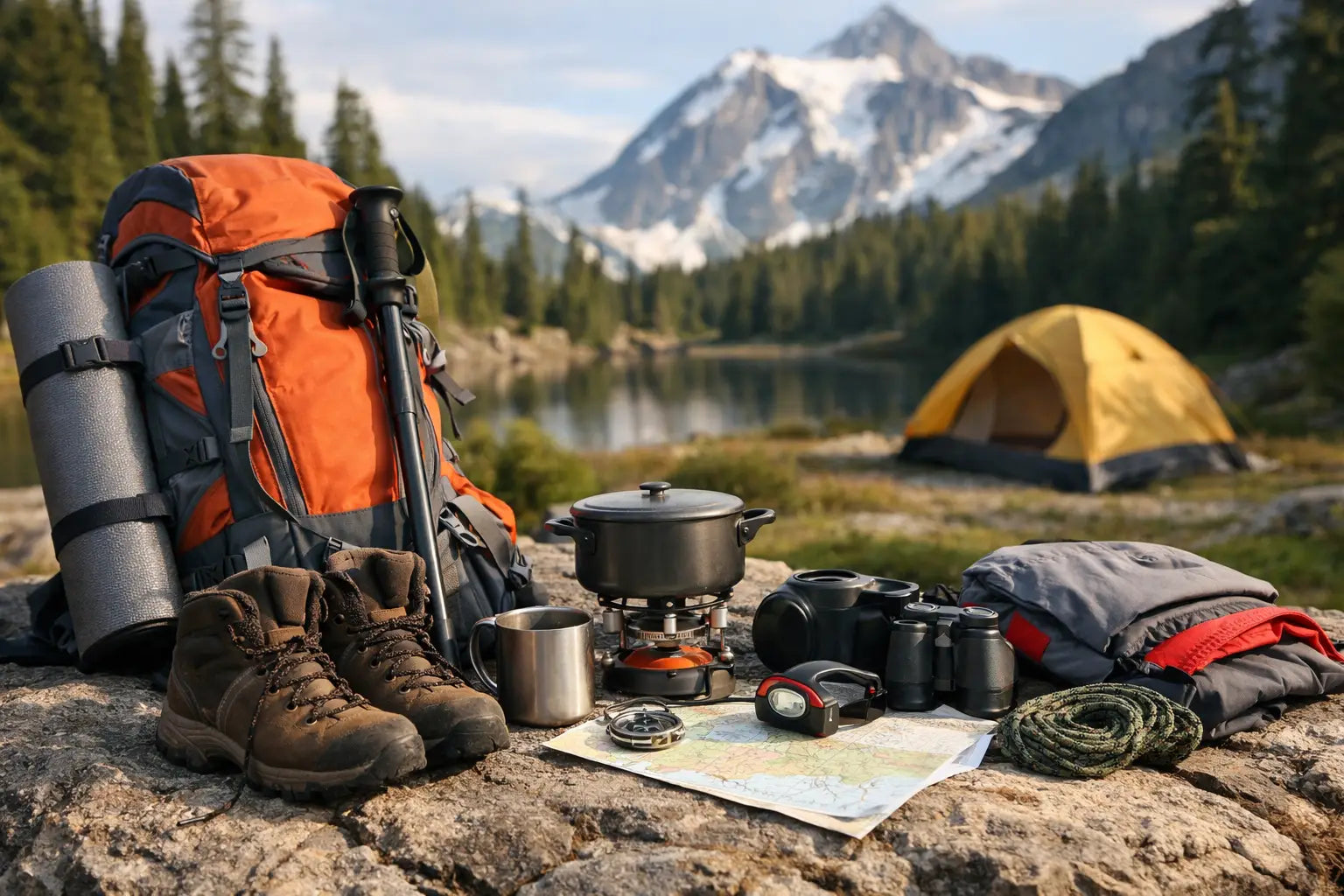
For camping, comfort and weather readiness usually matter most. Shelter, sleep, lighting, and camp cooking do the heavy lifting. If you mostly car camp, it makes sense to choose roomier tents, thicker sleeping pads, and storage-friendly camp furniture. You are not carrying everything on your back, so comfort can move up the list.
If you camp in mixed conditions, look closely at setup time, rain protection, ventilation, and fabric strength. A tent that is easy on a dry afternoon but frustrating in wind is not really easy to use. The same goes for lanterns, stoves, and coolers. At camp, convenience becomes performance.
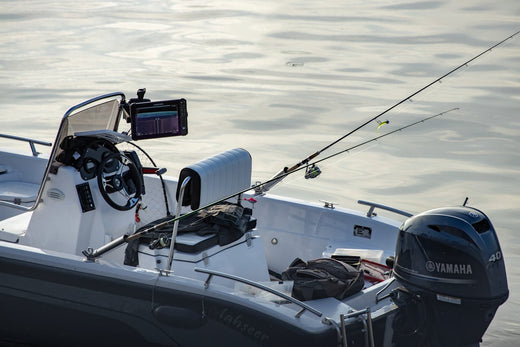
On the water, organization and durability matter fast. Fishing gear has to stand up to moisture, motion, and repeat use. Storage is a major factor here. You want tackle management that fits how you fish, not just how much gear you own.
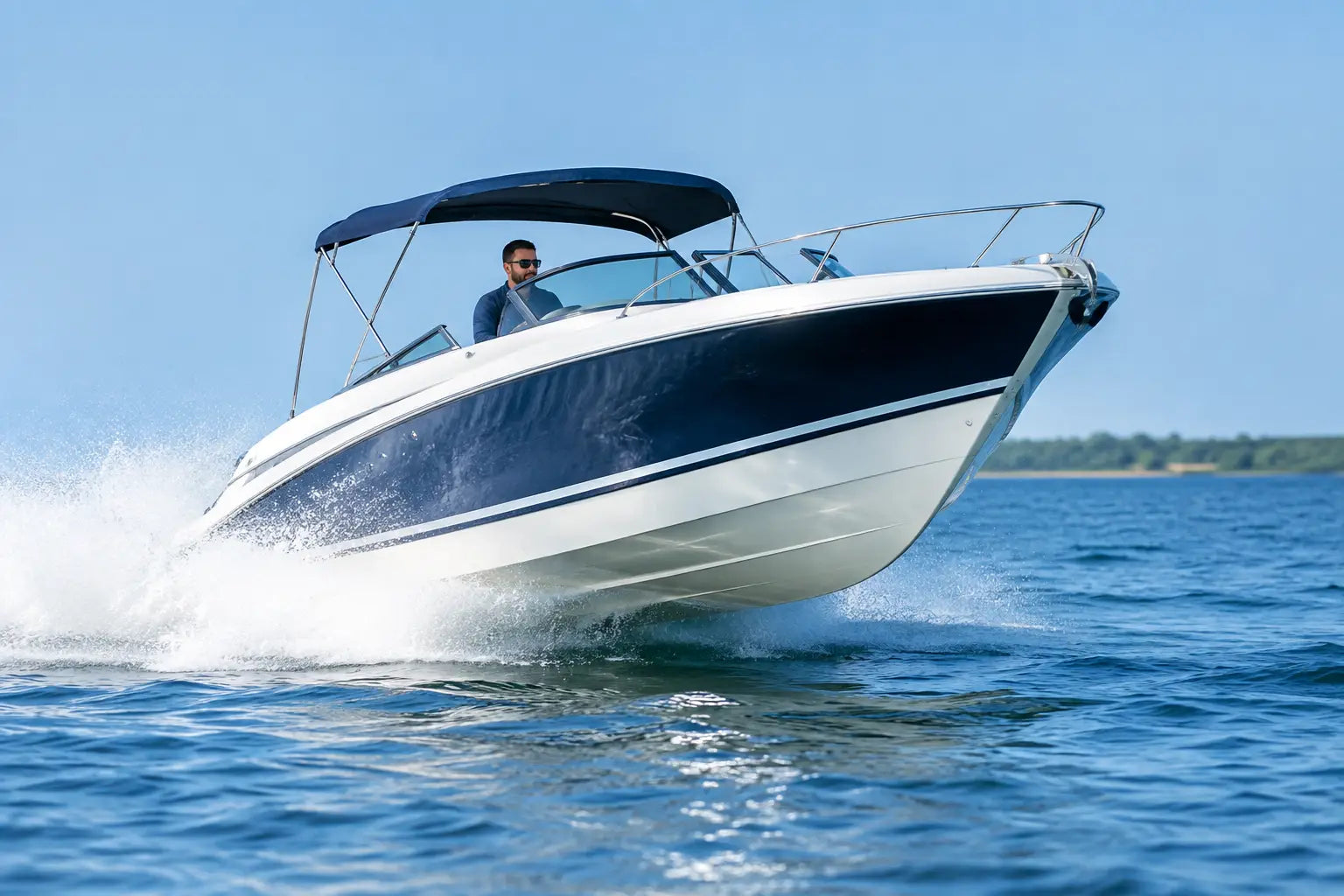
For boating and watersports, safety essentials should lead every purchase decision. Comfort matters too, especially on long days, but dependable flotation, secure tie-downs, dry storage, and trailer-ready accessories deserve priority. Fancy add-ons can wait. Readiness cannot.
In these categories, consistency matters as much as durability. Packs, cases, blinds, targets, and accessories all need to support repeatable use in real conditions. Noise, fit, carry comfort, and field organization play a bigger role than they do in many other categories.
This is also where buying too little or too much can both be mistakes. Beginners often need straightforward gear that builds confidence, while experienced users may want more task-specific upgrades. It depends on how often you train, travel, and hunt.
This category is all about avoiding preventable problems. The best gear here supports safe travel, smoother setup, and fewer headaches at the campsite or launch. Towing accessories, electrical components, cargo management, and maintenance items are not always exciting purchases, but they can save a trip.
With RV and trailer gear, compatibility is everything. A solid product that does not match your vehicle, trailer, load, or connection points is still the wrong buy. Check sizes, ratings, and intended use before features start tempting you.
The biggest mistake is shopping for a fantasy version of your outdoor life. Buy for the trips you actually take now, not the extreme version you might do once someday. That mindset keeps your gear more useful and your budget in better shape.
Another common mistake is ignoring storage and transport. A larger cooler, a wider chair, or a bigger tackle system may sound like an upgrade until it crowds the truck bed, boat compartment, or garage. Good gear should fit your space at home and on the move.
It also helps to think in systems instead of single products. A tent affects your sleeping setup. A boat day depends on storage, safety gear, and trailering support working together. A hunting trip is not just a pack or blind - it is how clothing, accessories, and transport all come together. When gear works as a system, the trip feels smoother.
Not every purchase deserves a stretch budget. Spend more on gear that affects safety, repeated comfort, or core performance. Think shelter in bad weather, reliable lighting, towing essentials, flotation, or items you use on nearly every trip. Those are the categories where failure costs more than money.
Keep it simpler with accessories that are easy to replace, lightly used, or unlikely to change the day much if they are basic. There is no prize for overbuilding every part of your setup. Smart buyers know where quality counts most.
For many outdoor enthusiasts, a balanced setup beats a premium setup. Reliable gear across the board is often more useful than one high-end item surrounded by weak links.
You do not need to buy everything at once. In fact, most people make better decisions when they build gradually. Start with the essentials for one activity, use them, notice what works, and upgrade based on real experience.
That approach is especially helpful if you enjoy more than one kind of adventure. Maybe you camp in spring, fish in summer, hunt in fall, and travel by RV when schedules line up. A wide gear selection matters because outdoor life is rarely just one thing. The more practical move is to build a setup that matches your calendar, your vehicle, your family, and your habits.
That is also where a broad retailer can save time. Instead of bouncing between specialty shops for every category, you can compare practical options for multiple activities in one place and stay focused on what matters - getting ready for the next trip without overcomplicating it.
The best outdoor gear does not call attention to itself all day. It packs well, works when you need it, and helps you stay focused on the water, the trail, the campsite, or the road ahead. That is the goal.
Choose gear with a clear job, a realistic price, and the durability to handle real use. Buy for your conditions, not somebody else’s highlight reel. Then get outside, use what you bought, and let experience shape the next upgrade. Better adventures usually start that way.