Your Cart is Empty


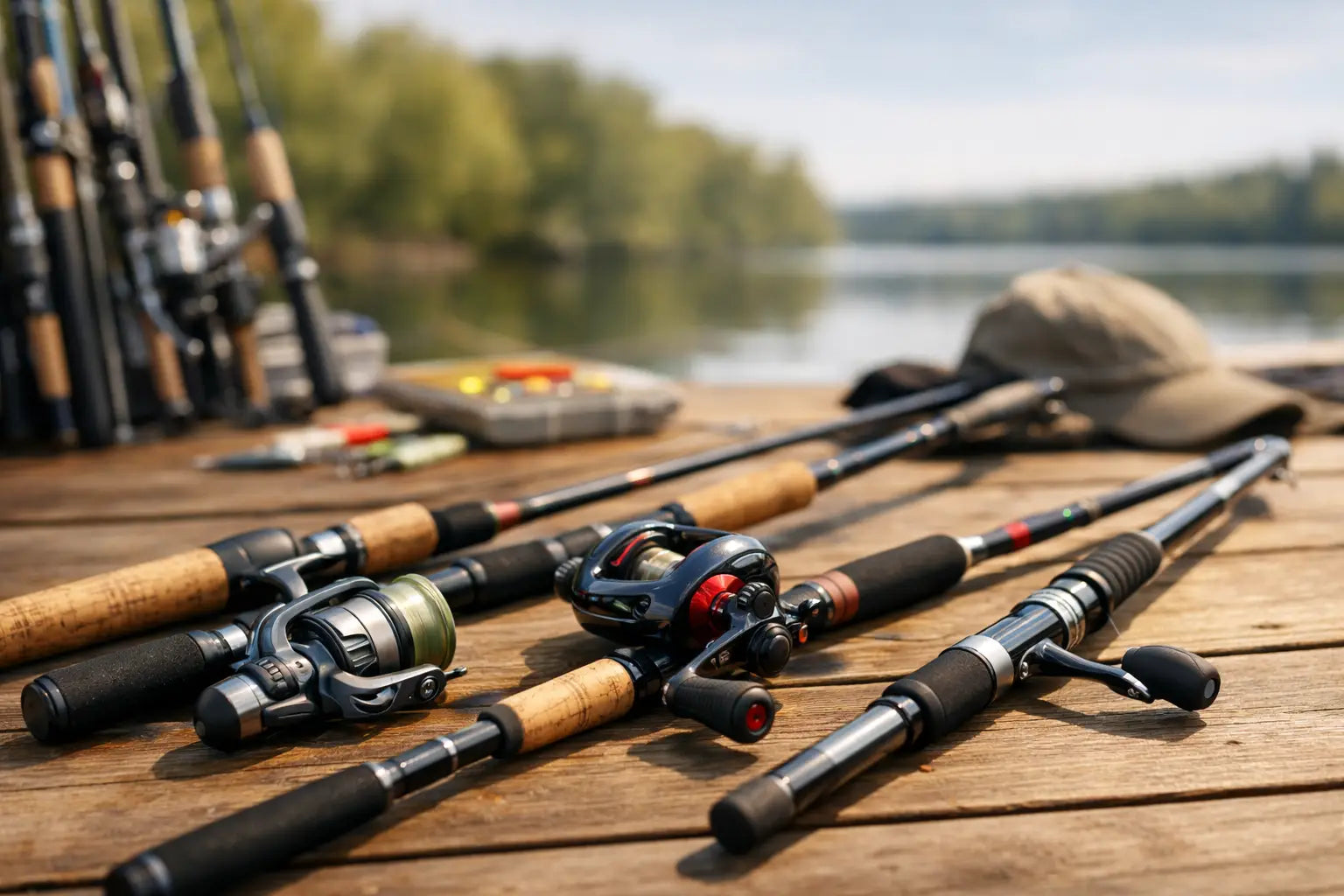

A bad rod choice usually shows up fast. The lure feels awkward, your casts land short, and every fish fight feels a little off. If you’ve been wondering how to choose a fishing rod without wasting money on the wrong setup, start here: match the rod to how and where you actually fish, not to whatever sounds the most advanced.
The good news is that choosing the right rod is simpler than it looks. You do not need a tournament-grade setup or a wall full of gear to fish well. You need a rod that fits your target species, the lures or bait you plan to use, and the water you spend time on most.
The fastest way to narrow your options is to think about technique first. A rod built for tossing live bait under a bobber is not the same rod that feels right for working bass lures all afternoon. If you start with your most common style of fishing, the rest gets easier.
For beginners, spinning rods are usually the easiest place to start. They are versatile, user-friendly, and a strong fit for everything from panfish and trout to bass and walleye. If you want one setup that covers a lot of ground, a spinning rod gives you room to learn without fighting your gear.
Casting rods make more sense when you want better control with heavier lures, stronger hooksets, or more accuracy around cover. They are a favorite for many bass anglers, but they take a little more practice. Fly rods are their own category entirely, built around fly line and specialized casting. If you are not planning to fly fish, you can ignore them for now.
Saltwater rods are another case where purpose matters. They are built to handle corrosion, bigger fish, and heavier pressure. A freshwater rod might work in a pinch, but it is not the best long-term move if you fish coastal water regularly.
Rod length changes how far you cast, how much control you have, and how the rod feels during a full day on the water. Shorter rods, usually under 6 feet 6 inches, offer tighter control and can be easier to use in small creeks, around docks, or anywhere space is limited. They are also nice for anglers who want simple, manageable gear.
Longer rods, often 7 feet and up, help with casting distance and line control. They can also pick up more line on the hookset, which matters when fish hit far from shore or boat. That extra length is useful, but it can feel less precise in tight quarters.
If you want one versatile choice, a rod in the 6 foot 6 inch to 7 foot range is hard to beat. It handles a wide mix of techniques without feeling too specialized. That is why it is such a common sweet spot for all-around freshwater fishing.
This is where a lot of buyers get tripped up. Power refers to how much force it takes to bend the rod. Action describes where the rod bends.
A light-power rod bends more easily and works well for smaller fish, lighter lines, and finesse presentations. An ultralight setup is great for trout, crappie, and panfish, but it is not the rod you want for dragging a bass out of heavy weeds. Medium power is one of the most versatile options on the rack. Medium-heavy starts to make more sense for larger bass lures, heavier cover, and stronger fish.
Action affects sensitivity and hooksets. Fast-action rods bend mostly near the tip, which gives you better feel and quicker response. That makes them popular for single-hook lures like worms, jigs, and many bass techniques. Moderate-action rods bend deeper into the blank and are often a better fit for treble-hook baits like crankbaits because they keep fish pinned with a little more cushion.
If you are trying to keep it simple, a medium-power, fast-action spinning rod is one of the safest all-around picks for freshwater anglers. It is not perfect for every technique, but it does a lot well.
A fishing rod should be chosen with the fish in mind. That sounds obvious, but many shoppers buy for broad categories and end up with something too heavy or too limited.
For panfish and trout, look toward ultralight or light rods. These make small fish more fun to catch and cast lighter lures better. For bass, walleye, and similar freshwater species, medium or medium-heavy rods cover a lot of situations. For catfish, pike, striped bass, or inshore saltwater species, stepping up in power often makes sense, especially if you fish heavier line or larger baits.
There is always some overlap. A medium spinning rod can catch trout, bass, and walleye. That versatility is useful if you fish different waters and want one dependable setup. But if you know exactly what you are targeting, a more purpose-built rod will usually perform better.
Every rod has a recommended lure weight and line range printed near the handle. Those numbers are more helpful than many buyers realize. They tell you what the rod is designed to cast and control.
If your favorite lures are too light for the rod, casting feels clumsy and inaccurate. If they are too heavy, you lose performance and risk stressing the blank. The same goes for line. A rod built for 4 to 8 pound test is going to feel very different from one meant for 12 to 20 pound line.
This is one of the easiest ways to avoid a mismatch. Think about the baits you actually throw most often, then choose a rod that sits comfortably in that range. Not at the extreme end - right in the middle if possible.
Most fishing rods are made from graphite, fiberglass, or a blend of both. Graphite rods are lighter and more sensitive, which helps when you want to feel light bites or subtle bottom contact. Fiberglass rods are generally tougher and more forgiving, though they tend to be heavier and less sensitive. Composite rods split the difference.
There is no universal winner here. If you are a beginner or hard on gear, a forgiving rod can be a smart buy. If sensitivity matters and you fish often, lighter graphite can make a real difference over time.
Handle style matters too. Cork feels classic, comfortable, and light in hand. EVA foam is durable and easy to maintain. Neither is automatically better. The right choice is the one that feels secure and balanced when you grip it.
That word balance matters. A rod can check every spec box and still feel wrong if it is tip-heavy or awkward with your reel. If possible, think in terms of the full setup, not just the rod on its own.
One-piece rods are often preferred for sensitivity and consistent performance. They have fewer breaks in the blank, which many anglers like. The downside is transport. A 7-foot one-piece rod is not always fun to fit into a compact car or store in a crowded garage.
Two-piece rods are easier to travel with and store. Older anglers sometimes worried they gave up too much performance, but modern two-piece rods are much better than their reputation suggests. For many casual and even serious anglers, the convenience is worth it.
If you fish close to home and have room to carry a full-length rod, one-piece is great. If you road trip, hike in, or just want easier storage, do not overlook a two-piece model.
Spending more can get you lighter materials, better components, and improved sensitivity. It does not guarantee you catch more fish. For many anglers, the best value sits in the middle - dependable performance without paying for features they may not notice.
If you are buying your first rod, avoid going too cheap. The lowest-priced options can feel heavy, rough, and inconsistent. That usually leads to frustration, not savings. A solid entry-level or mid-range rod gives you a better experience and lasts longer.
This is where a broad, practical gear selection helps. Outdoor Up is built for anglers who want reliable equipment without boutique pricing, which is exactly the sweet spot most buyers should be aiming for.
If you still feel stuck, here is the plain answer. For general freshwater fishing in the US, a 6 foot 6 inch to 7 foot medium-power, fast-action spinning rod is one of the safest and most useful choices you can make. It handles a broad mix of species and techniques, works well for beginners, and stays relevant as your skills improve.
From there, you can get more specialized if you need to. Maybe you add an ultralight for trout streams or a medium-heavy casting rod for bass in cover. But your first rod does not need to do everything perfectly. It just needs to help you fish confidently and enjoy being out there.
The right rod should make you want to cast again, stay longer, and head back out next weekend. That is a better test than any label on the rack.