Your Cart is Empty


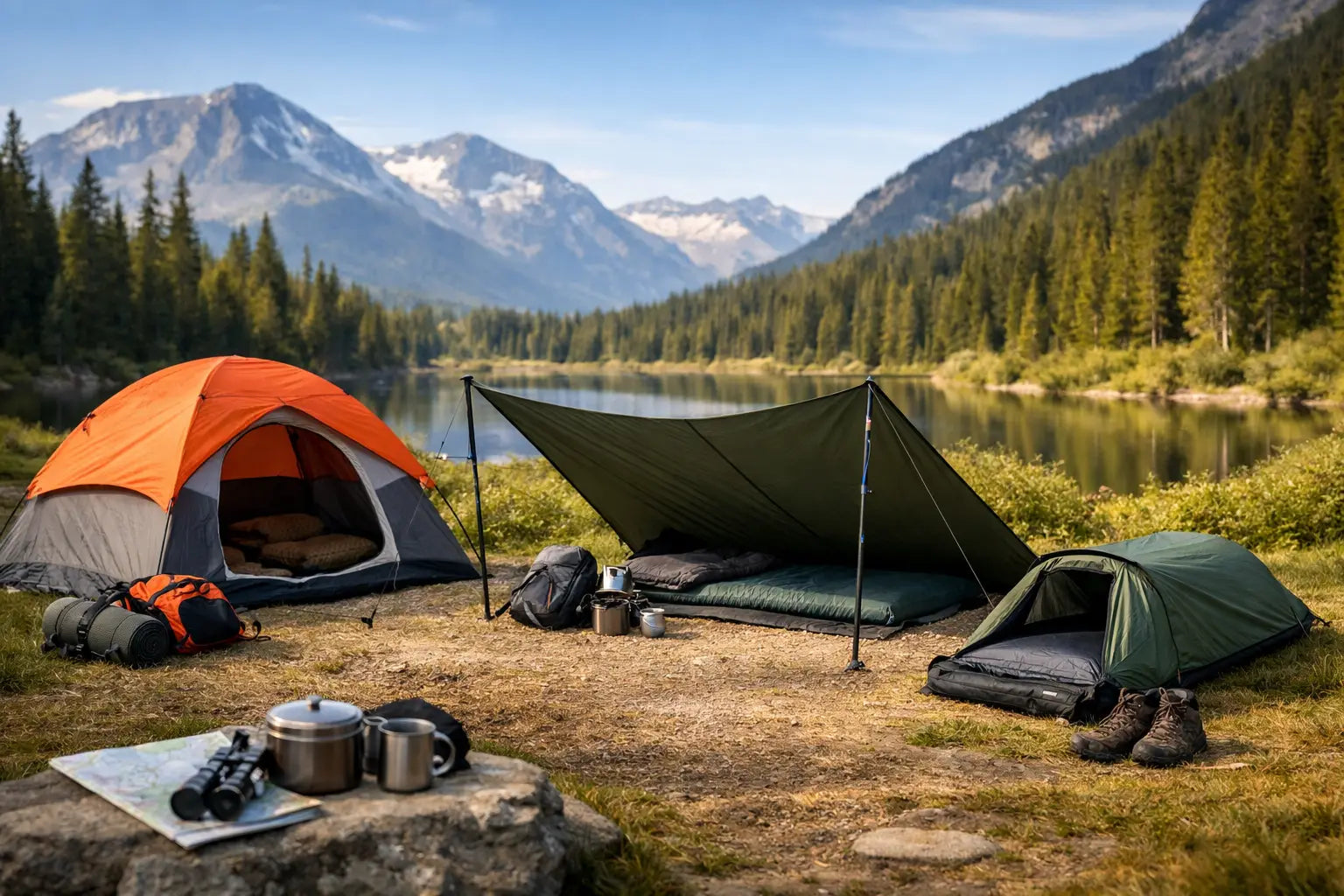

You feel a bad shelter choice fast. Maybe it is a tent that takes 25 minutes to pitch in wind, a hammock setup with no rain plan, or a roomy cabin tent that sounded great until you had to haul it a quarter mile from the parking area. If you are wondering how to choose camping shelter, start with one simple rule: match the shelter to the trip, not just the price tag or the photo.
A good shelter does three jobs at once. It protects you from weather, gives you enough space to rest and organize gear, and fits the way you actually camp. That last part matters more than many buyers expect. The best option for a family at a drive-up campground is usually not the best option for a solo hiker, and the lightest shelter on the shelf is not always the smartest buy if comfort is your top priority.
Before you compare tent shapes, floor plans, or materials, think about where and how you camp most often. Shelter shopping gets easier when you define the job first.
If you mostly do car camping, weight is less important than livable space, easier setup, and weather protection. A larger dome or cabin-style tent often makes sense because you can stand up, spread out, and keep bags off your sleeping area. If you camp with kids, pets, or a lot of gear, those comfort features are not extras. They make the whole trip run smoother.
If you backpack, your shelter needs change fast. Every pound matters, and packed size matters too. You may give up headroom and extra storage space to save weight and trail energy. That trade-off is worth it for many hikers, but only if you are realistic about what you can tolerate after a long day.
If your trips bounce between campgrounds, hunting camps, overlanding weekends, and the occasional backcountry night, a middle-ground shelter is often the smart buy. Look for something durable, simple to pitch, and versatile enough for three-season use. A dependable all-around setup will serve you better than a specialized shelter that only shines in one narrow scenario.
Many shoppers begin with features and end up distracted by extras. Start with weather instead. Ask yourself what conditions your shelter will face most often in the US: summer heat, spring rain, shoulder-season cold, mountain wind, or bug-heavy humidity.
For warm-weather camping, ventilation matters more than heavy-duty fabric. Mesh panels, larger doors, and a rainfly design that still lets air move can make nights much more comfortable. For wet climates, full rain coverage, a solid tub floor, and dependable seam construction matter more than shaving a pound or two.
Wind is where weak shelter choices get exposed. Tall tents with near-vertical walls feel roomy, but they can be less stable in rough weather than lower-profile designs. If you camp in exposed areas, choose structure and staking security over interior height.
When people ask how to choose camping shelter, they are often really asking which type fits their habits. Tents, hammocks, and truck or SUV-based shelters all have a place. The best one depends on terrain, comfort expectations, and setup needs.
Traditional tents are still the most flexible choice for most campers. They work across a wide range of sites, they are familiar to set up, and they provide enclosed weather and bug protection. For beginners and mixed-use campers, a tent is usually the safest starting point because it handles the broadest range of conditions.
Hammock shelters can be great for solo campers in wooded areas. They pack small, get you off uneven ground, and can be very comfortable once dialed in. But they are not as universal as they look online. No trees, no setup. Cold-weather insulation also gets more complicated than many first-time hammock users expect.
Truck bed tents, rooftop tents, and vehicle-attached shelters appeal to overlanders and road trippers who want quick camp setups and cleaner sleeping surfaces. They can be a strong fit if your camping revolves around a vehicle. The downside is obvious - your shelter may be tied directly to where and how you park.
Within the tent category, shape matters. Dome tents are popular because they balance space, stability, and straightforward setup. Cabin tents offer more standing room and family comfort, but they are usually bulkier and can be less storm-friendly. Tunnel and backpacking tents can save weight and pack smaller, though they often feel tighter inside.
None of these is automatically best. The right pick depends on whether you care more about headroom, storm worthiness, floor space, or portability.
A shelter labeled for four people rarely feels spacious with four adults plus gear. Capacity ratings are often based on tight sleeping arrangements, not comfort.
If you like elbow room, size up. A two-person tent is often ideal for one camper plus gear. A four-person tent may feel right for two adults, a child, and bags. For family camping, extra space helps with changing clothes, waiting out rain, and keeping the sleeping area less chaotic.
This is one place where honest buying pays off. Going too small is a mistake you feel every single night. Going slightly larger, especially for car camping, usually makes the trip better.
Square footage does not tell the whole story. A tent can have decent floor dimensions and still feel cramped if the walls slope aggressively. Peak height matters if you want to sit up, kneel, or stand while getting dressed.
Floor layout matters too. Some tents use space more efficiently for pads and sleepers, while others lose usable room to sloped ends or awkward vestibule placement. If your shelter needs to handle people and gear together, usable interior shape is just as important as listed capacity.
A lot of shelter regret comes from underestimating setup hassle. If your shelter is hard to pitch, heavy to carry, or bulky to pack, that becomes part of every trip.
For backpacking, keep weight and packed size near the top of the list. For car camping, setup time often matters more than total weight. A larger tent that goes up quickly can be a better choice than a slightly cheaper one with a frustrating pole system.
Look closely at pole design, clip systems, and rainfly attachment. Freestanding tents are easier to move and position before staking. Non-freestanding shelters can save weight, but they require more attention to site selection and pitch technique.
This is where practical buyers usually make the best call. Fancy features mean less if setup turns into a chore at dusk or in rain.
A shelter does not need to be built for alpine storms to be reliable, but it should match the conditions you actually expect. Pay attention to floor construction, rainfly coverage, guylines, stake points, and ventilation balance.
A full-coverage rainfly gives better protection than a minimal cap-style fly, especially in blowing rain. A bathtub floor helps keep groundwater out. Strong stake-out points and guylines improve stability when weather shifts overnight.
At the same time, more protection can mean less airflow. That is the trade-off. In hot, humid conditions, a sealed-up shelter can feel miserable even if it stays dry. Good shelter design balances storm coverage with ventilation so you are not choosing between condensation and weather exposure.
Three-season shelters are the right choice for most campers. They handle spring, summer, and fall conditions well enough for the majority of recreational trips. Four-season shelters are built for harsher winter conditions and stronger snow loads, but they are heavier, often pricier, and usually less ventilated.
If you mainly camp in fair to moderate weather, a quality three-season shelter is the practical move. Buying more shelter than you need can leave you carrying extra weight and paying for capability you rarely use.
If you camp a few weekends a year, almost any decent shelter may hold up just fine. If you camp often, take longer trips, or bring kids and dogs, durability matters a lot more.
Heavier materials can offer better abrasion resistance and long-term toughness, but they add bulk. Lighter materials save weight, but they may need more care around rough ground and repeated use. Zippers, poles, and floor fabric often tell you more about a shelter's long-term value than flashy storage pockets or included extras.
Price matters, but cheapest is not always best value. A dependable shelter that lasts through multiple seasons is usually the better buy than replacing a budget model after one hard year. That is especially true if camping is becoming a regular part of your routine.
It is easy to shop for an idealized version of outdoor life. Maybe you picture long backcountry routes, winter camps, or minimalist setups. But if your next six trips are family weekends at established campgrounds, buy for that reality first.
The right shelter is the one that gets used. It should feel dependable, manageable, and suited to your normal adventures. For many campers, that means a straightforward three-season tent with a little more room than the package suggests, solid rain protection, and a setup process that does not kill momentum.
Outdoor Up serves a lot of campers who want exactly that - gear that works, holds up, and fits the trip without pushing into unnecessary premium territory. That is a smart approach to shelters too. You do not need the most extreme option. You need the one that helps you get outside more, with fewer problems once you get there.
A good shelter earns its keep before you crawl inside for the night. It makes setup easier, weather less stressful, and the whole trip more comfortable. Choose for your conditions, your habits, and your real comfort level, and your next camp will feel a lot more like a break and a lot less like a gear test.