Your Cart is Empty


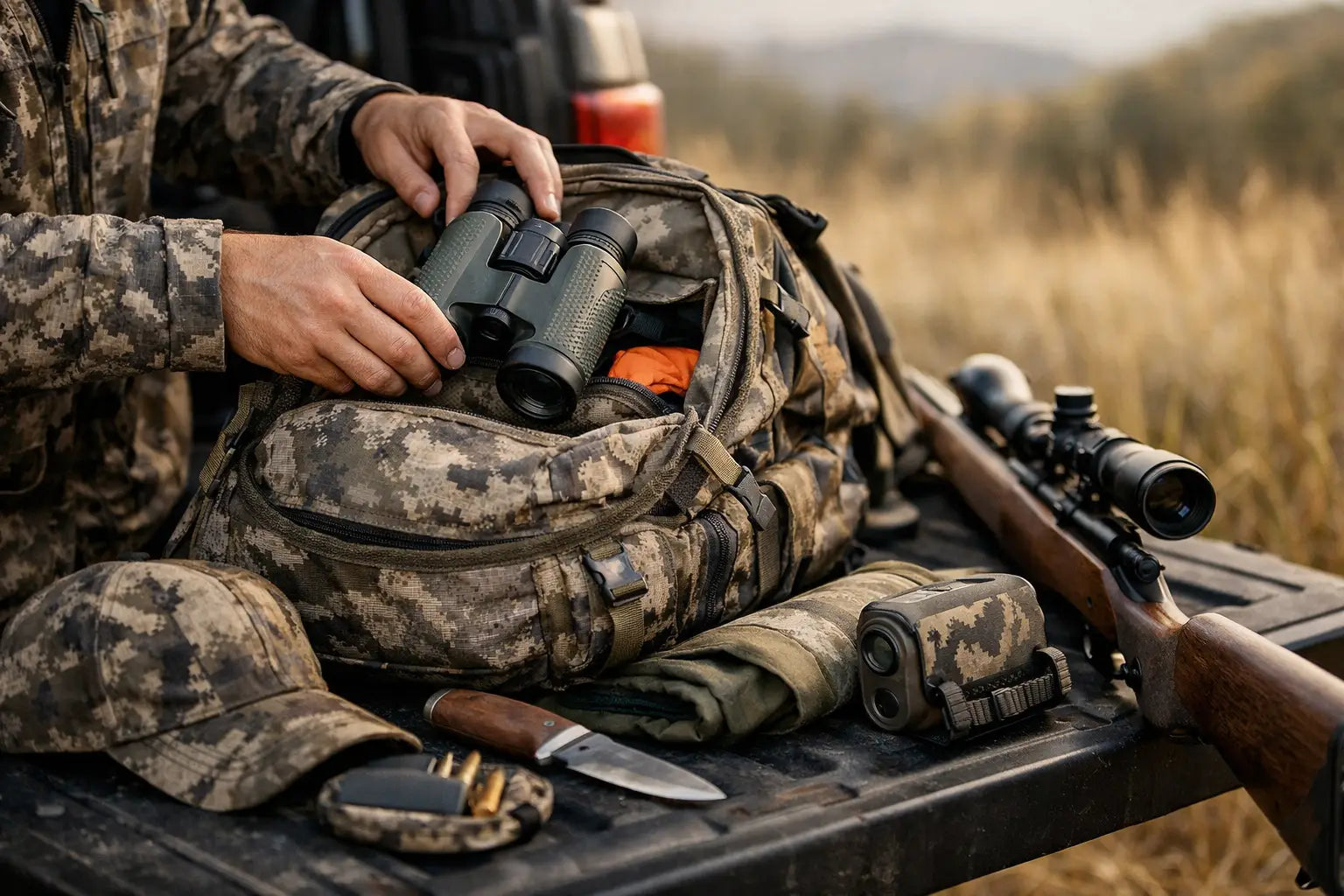

That first moment at the truck says a lot about the day ahead. If you're digging for gloves, untangling a sling, or realizing your headlamp batteries are dead, you're already behind. Knowing how to pack hunting gear is not just about fitting everything in a bag. It's about moving quietly, staying safe, and keeping the gear you need exactly where you can reach it.
A good pack job makes the whole hunt smoother. You walk better, you waste less time, and you make fewer noisy mistakes when the woods are still dark and every sound carries. Whether you're heading out for a quick morning sit or packing for a full backcountry day, the goal stays the same: bring what matters, leave the clutter, and organize it so it works in the field.
Before you touch a backpack, think about the type of hunt you're actually doing. A whitetail tree stand setup is different from a Western spot-and-stalk day. Waterfowl gear has its own demands. Small game can be lighter and faster. The biggest packing mistake hunters make is building one generic loadout and using it for everything.
Start with four variables: distance, weather, duration, and game. If you're walking a mile to a stand in cold weather, you'll pack layers differently than if you're hiking ridges all day in early season heat. If you're hunting from a blind, bulk matters less than access. If you're carrying meat out, extra space and weight planning matter a lot more.
This is where discipline pays off. Pack for the hunt you have, not the hunt you imagine. It feels good to be prepared for every scenario, but overloaded packs get loud, heavy, and frustrating fast.
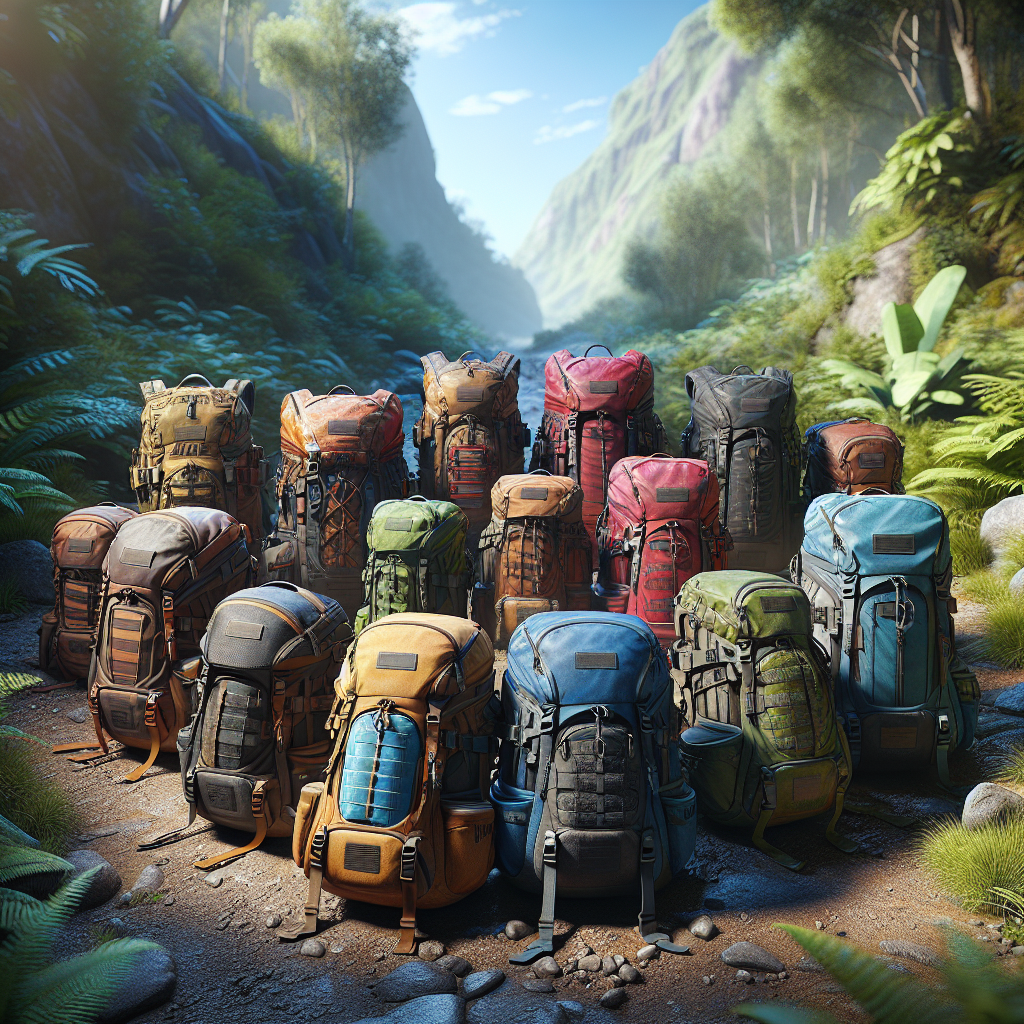
The bag itself matters more than people think. A daypack that works for hiking may not work well for hunting if it lacks quiet fabric, rifle carry options, or smart pocket layout. On the other hand, an oversized pack for a short morning hunt invites overpacking.
For most day hunts, a compact to mid-size hunting pack is enough if it has solid weight distribution and easy-access storage. If you're carrying extra insulation, optics, field dressing supplies, and food for a full day, more capacity makes sense. If you're planning for a pack-out, a frame pack or load-hauling design can save your back later.
Fit is just as important as size. A pack that shifts while you walk will wear you out and create noise. Tighten it so the load sits close to your body, with heavier items centered and stable.
The smartest way to organize hunting gear is by when and how you'll use it. Think in layers of access.
Items you need immediately should be easiest to grab. That usually means your headlamp, gloves, rangefinder, calls, tags, and a small navigation tool. Put those in top pockets, hip belt pockets, or an outer compartment. If you have to unpack half your bag to find one small item, the system is failing.
Mid-access gear should include things you'll likely use once or twice during the day, like extra layers, snacks, water treatment, and binocular accessories. Deep-storage items are your backup and emergency supplies - first aid, fire starter, batteries, repair tape, and anything you hope not to need but definitely want with you.
This layout keeps your pack from becoming one big catch-all pocket. It also helps you repack consistently after every trip, which is how good habits stick.
Weight placement changes how your body feels after the first half mile. Keep dense items close to your spine and around the middle of the pack. Water, ammunition, and heavier tools should ride near your center of gravity, not hanging far out from your back or buried at the very bottom.
Lighter bulky items like rain gear or insulation can go lower or farther out. Fragile gear like optics should be protected, but still placed where they won't get crushed by shifting weight. If you're carrying a spotting scope, camera, or other expensive equipment, padding matters. Soft layers can help, but dedicated cases are worth it if you use those items often.
The trade-off is access. Sometimes the ideal weight position is not the quickest grab. That's fine as long as your true essentials stay available.
Noise ruins opportunities. Metal on metal, hard plastic rattling in a side pocket, zipper pulls slapping with every step - these things sound small until you're inside bow range.
As you pack, shake the bag and listen. If something clicks, rattles, or shifts, fix it before you leave. Use soft pouches, wrap hard items in extra clothing, and cinch compression straps so nothing moves. Tape or silence noisy hardware if needed. Even something simple like keeping calls in a soft case instead of loose in a pocket can make a difference.
Weather protection matters too. If rain, snow, or creek crossings are possible, line critical items or use dry bags inside your pack. Extra socks, electronics, tags, and fire-starting gear should never depend on luck. Waterproofing the full pack is helpful, but protecting the items that really matter is smarter.
A lot of hunters overdress at the truck and then fight sweat the rest of the way in. A better system is packing layers based on activity. Wear what you need for the hike. Pack what you need for the sit.
That usually means keeping insulation and outer weather layers easy to reach, especially in cold conditions. If you know you'll cool down once you stop moving, you want that puffy jacket, shell, or heavier gloves available without digging. Sweat-soaked base layers can turn a comfortable morning into a long, cold one.
It depends on the terrain and season, but the principle stays the same: manage moisture early, then add warmth when your pace drops.
The little things tend to create the biggest headaches. License, tags, knife, lighter, batteries, release aid, drag rope, and phone charger all seem easy to remember until one of them vanishes into the bottom of a pack.
Use small zip pouches or dedicated internal pockets to group essentials by job. One pouch for kill kit items. One for navigation and batteries. One for first aid and emergency gear. This is not about being fancy. It's about being able to put your hand on the right item fast, even in low light or bad weather.
Color coding helps if you want a faster system. So does always packing those items in the same place. Consistency beats memory every time.
Hydration gets overlooked on cold hunts and underestimated on warm ones. Carry enough water for your distance and conditions, and make sure your method works with your pack. Bottles are simple and reliable. Reservoirs are convenient but can be harder to refill and more vulnerable to freezing. If temperatures are dropping, think ahead.
Food should be easy to eat fast and quietly. Pack simple calories you can reach without unloading your bag. A long day with no food plan turns into a short day.
If you may be field dressing or packing out game, leave room for those supplies from the start. Gloves, game bags, a sharp knife, and wipes don't take much space, but they should not be an afterthought. If success means your pack suddenly has to work harder, plan for that before you leave the house.
If your pack feels like a garage sale on your back, cut it down. The best hunters are not carrying the most gear. They're carrying the right gear.
A simple test helps. After each trip, lay everything out and ask what you used, what you almost used, and what never had a chance of leaving the bag. Some items earn a permanent spot because they're safety gear. Others are just along for the ride. Trim the repeat extras.
That said, don't confuse minimalism with preparedness. Cutting too much can backfire if weather shifts or a simple repair turns into a trip-ending problem. Smart packing lives in the middle - lean, but ready.
The best time to find a packing mistake is in your driveway, not at legal shooting light. Run a quick check for weapon, ammo or arrows, optics, tags, phone, headlamp, knife, water, and weather layers. Then lift the pack and walk a few steps. If it pulls awkwardly, squeaks, or feels loose, fix it now.
This final check is also where confidence comes from. You know where your gear is. You know what you brought. You know your setup matches the hunt.
That's the real advantage of learning how to pack well. You're not just carrying equipment. You're giving yourself a quieter start, a more efficient day, and fewer reasons to turn around when the woods are finally waking up. Pack with purpose, and the rest of the hunt gets a whole lot easier.