Your Cart is Empty


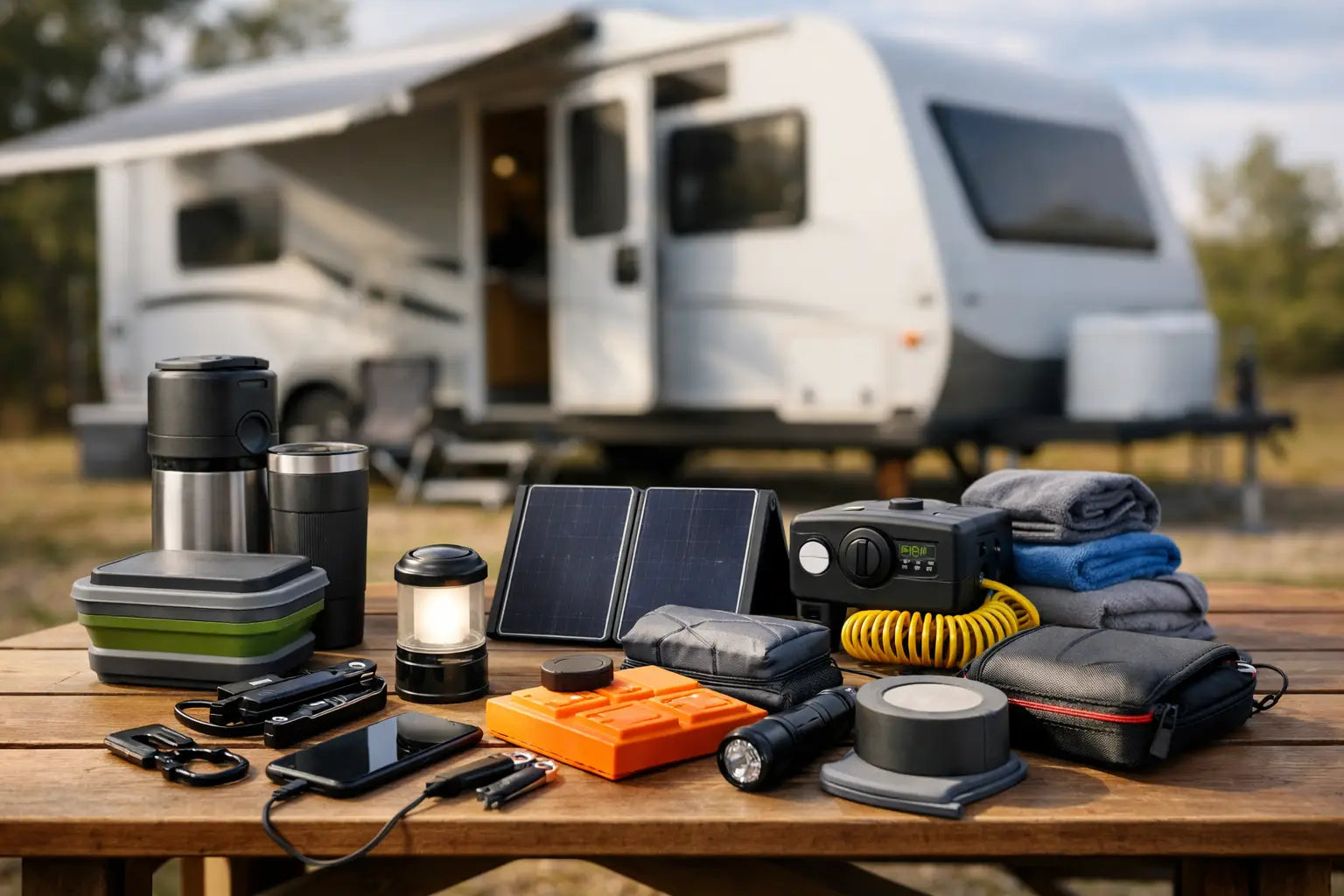

You feel it fastest on the first stop of a trip. The site looks great, the weather is decent, and then setup turns into a scavenger hunt for blocks, hoses, cords, lights, and the tool you swear you packed. That is where the right rv must have accessories make a real difference. Good accessories do not just add convenience. They save time, reduce stress, and help your rig work better mile after mile.
The trick is knowing what actually earns a spot in limited storage. Every RV owner has seen the overpacked version of "must-have" gear, where drawers are full and the useful stuff is somehow still missing. A better approach is to focus on accessories that solve common problems on the road - leveling, power, water, safety, visibility, and organization.
Start with your travel style, not a giant shopping list. A weekend camper with full hookups needs a different setup than someone boondocking for four days on public land. A small travel trailer also has less room for extras than a fifth wheel with basement storage.
That means the best accessory is not always the fanciest one. It is the one you will use often, store easily, and trust when conditions are less than ideal. Price matters too. There is no reason to overspend on premium gear if a dependable, practical option covers the job.
Some accessories earn their keep before you even open the fridge. These are the items that make arrival smoother and help you get stable, connected, and comfortable faster.
If your RV is not level, everything feels off. Sleeping gets awkward, appliances may not perform as intended, and the whole campsite can feel less secure. Leveling blocks are simple, stackable, and useful on almost any uneven pad. Pair them with solid wheel chocks and you have a basic setup system that works for trailers, campers, and many motorhomes.
This is one area where cheap gear can become frustrating fast. Blocks should hold up under repeated load, and chocks should stay planted. If you camp on gravel, dirt, and mixed surfaces, that stability matters even more.
Campground power is not always predictable. A quality surge protector helps guard your RV from voltage spikes, while an electrical management system adds another layer by monitoring wiring issues, low voltage, and other power problems. If you travel often, this accessory is closer to protection than luxury.
The trade-off is cost. Basic surge protection is more affordable, while an EMS costs more upfront. Still, compared with the price of replacing damaged electronics or air conditioning components, it is usually money well spent.
Neither item is glamorous, but both matter. Sewer hose support helps maintain proper drainage and keeps the setup cleaner and more secure. A water pressure regulator protects your plumbing from campground pressure that may be higher than your system wants to handle.
These are classic examples of accessories that prevent headaches instead of creating excitement. That is exactly why they belong on the short list.
A lot of RV frustration comes from small daily annoyances. The next group of accessories helps reduce those friction points without turning your rig into a storage unit on wheels.
The inside of an RV gets dirty fast, especially on rainy weekends, beach trips, or campsites with packed dirt. A durable outdoor mat cuts down on tracked-in mess, and a step cover helps keep grit from collecting at the door.
These accessories sound minor until you live with them for a few trips. Cleaner floors mean less cleanup and a more comfortable space. If you travel with kids, dogs, or both, they become even more useful.
Heat builds up quickly in an RV, and stale air can make a small space feel even smaller. Roof vent covers let you keep vents open in more conditions, and upgraded vent fans can move air far better than factory units in many rigs.
This matters most if you camp in warm climates or spend time off-grid where you are trying to manage comfort without constantly running air conditioning. Better airflow is one of the most practical comfort upgrades you can make.
RV windows let in a lot of heat and early morning light. Reflective windshield or window covers can help regulate interior temperature, while blackout options improve sleep and privacy. If you camp in busy parks or along open routes, that extra privacy can make your site feel more like your own space.
This is one of those it-depends purchases. If you mostly take short summer trips with hookups, it may be a nice add-on. If you travel longer, camp in hot areas, or sleep lightly, it starts to feel essential.
A well-organized RV feels bigger than it is. The right storage accessories do more than tidy up cabinets. They help you use space efficiently and keep gear from shifting every time you take a turn.
Cabinets in RVs waste vertical space unless you organize them on purpose. Stackable bins and shelf risers let you store more without creating a mess. Drawer organizers keep utensils, tools, and small daily-use items from sliding into chaos.
The best options are lightweight and easy to reconfigure. Your storage needs will change depending on trip length, season, and who is coming along.
Full-size household gear eats up too much room in an RV. Collapsible dish tubs, compact drying racks, nesting cookware, and slim cleaning tools help you keep daily tasks manageable without sacrificing storage.
This is where smart buying really helps. Multi-use gear usually beats one-task gadgets. If an item folds flat, stores cleanly, and gets used every trip, it deserves a place.
Basement compartments and pass-through storage can turn into jumbled piles if gear is not secured. Cargo nets, bins, and tie-down straps help keep hoses, tools, grills, and outdoor equipment in place.
That matters for two reasons. First, it protects your gear. Second, it makes breakdown faster because you are not repacking loose items every time you move camp.
The road side of RV ownership gets less attention than campsite comfort, but it deserves just as much. A few practical accessories can help you avoid delays and handle small issues before they become trip-ending problems.
A tire pressure monitoring system gives you real-time pressure and temperature data while driving. For trailers especially, this can help catch a problem before it turns into a shredded tire and body damage.
It is not mandatory for every owner, but if you tow long distances, drive in hot weather, or carry heavier loads, it is a strong upgrade. The peace of mind alone can justify it.
Tires lose pressure, fittings loosen, and little repairs show up at the worst times. A portable air compressor and a compact tool kit cover a surprising number of common problems. You do not need a full garage setup, just the basics that match your rig and towing setup.
If you are new to RVing, start simple. Tire gauge, sockets, screwdrivers, pliers, adjustable wrench, utility knife, and tape handle a lot of campsite fixes.
Backing into a tight site can test anyone's patience. Backup cameras, extra marker lights, and portable lighting for setup after dark all make the process safer and less stressful. They are especially useful for solo travelers or anyone moving between unfamiliar campgrounds.
Not every rig needs the same setup. Some factory camera systems are enough. Others benefit from an upgrade, especially if blind spots are a constant issue.
Even if you mostly stay at developed campgrounds, a few power-focused upgrades can give you more flexibility. They help during roadside stops, busy travel days, and campsites where hookups are limited or unreliable.
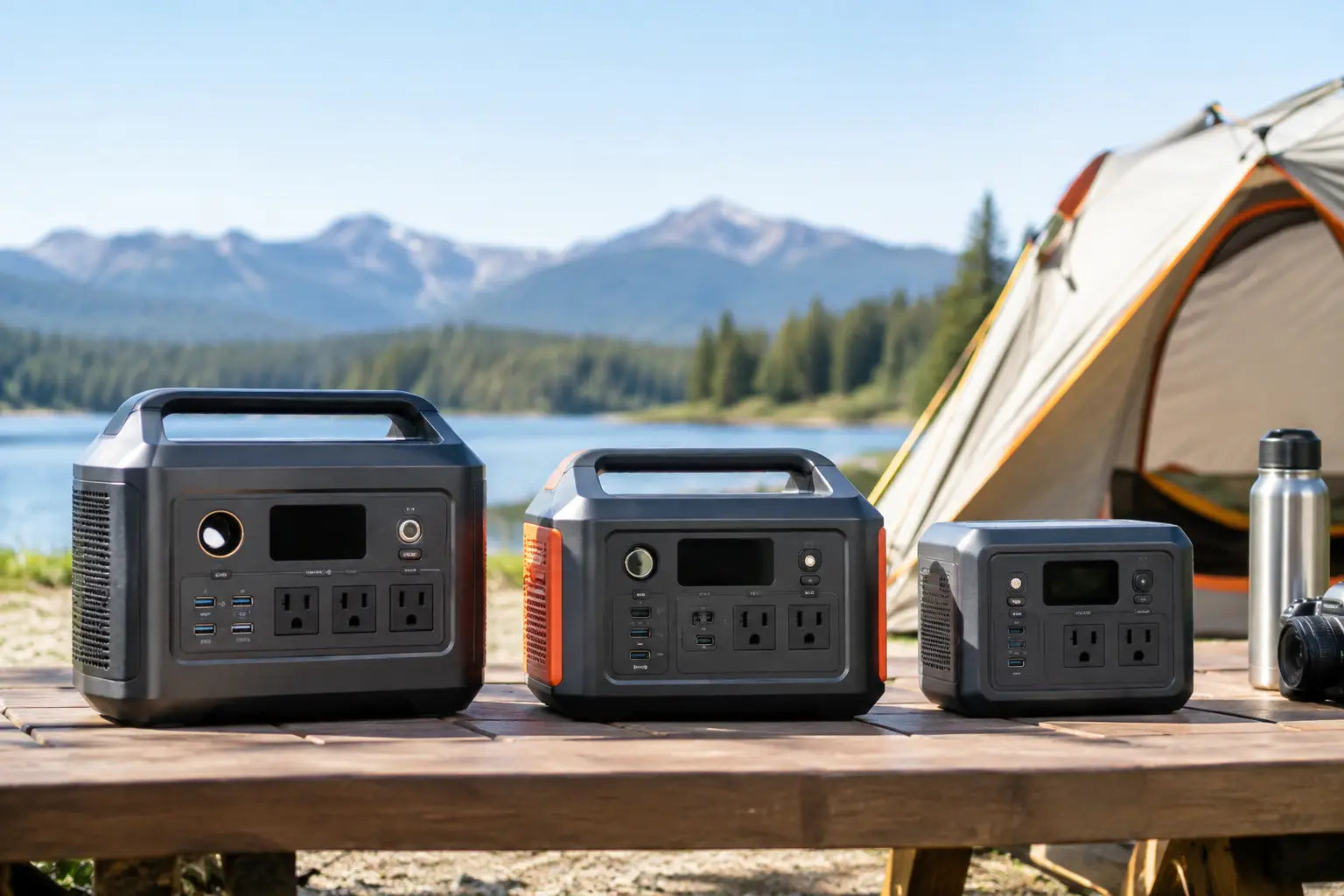
A battery monitor tells you what your system is actually doing, which is far better than guessing from a basic panel. Portable power stations add backup charging for small devices and appliances. Solar kits can help extend stays off-grid, though the right setup depends heavily on your battery bank and energy habits.
This category is easy to overspend in. If you mainly use full hookups, keep it practical. If you boondock often, investing in power management gear makes much more sense.
Power access is rarely as convenient as you hope. Heavy-duty extension cords and the right adapters can save a site setup or help you connect safely in changing conditions. The key word is safely. Match the gear to your RV's electrical needs and avoid makeshift workarounds.
For many campers, this is the category that gets forgotten until it is badly needed. Better to pack it once and have it every trip.
The best RV setup is not built around buying more stuff. It is built around buying the right stuff - gear that helps you arrive faster, camp easier, stay safer, and spend more time actually enjoying where you parked. If an accessory saves effort, prevents problems, or gets used on nearly every trip, it has earned its place.