Your Cart is Empty



A glassy lake, a loaded pontoon, or a quick paddle before sunset can change fast when wind picks up, a rider falls, or someone gets farther from shore than planned. A solid watersports safety gear list keeps small problems from becoming trip-ending emergencies. It is not about packing every gadget you can buy. It is about bringing the right equipment for your boat, activity, crew, weather, and distance from help.
For every outing, start with the essentials that protect people first. Then add activity-specific gear for kayaking, tubing, wakeboarding, fishing, personal watercraft, or open-water play. Gear up with purpose, check conditions before launching, and give everyone on board a clear plan.
Whether you are running a fishing boat, towing a tube, or paddling a quiet creek, these items belong at the center of your setup. Some may be legally required depending on your vessel and location, while others are simply smart equipment to have close by.
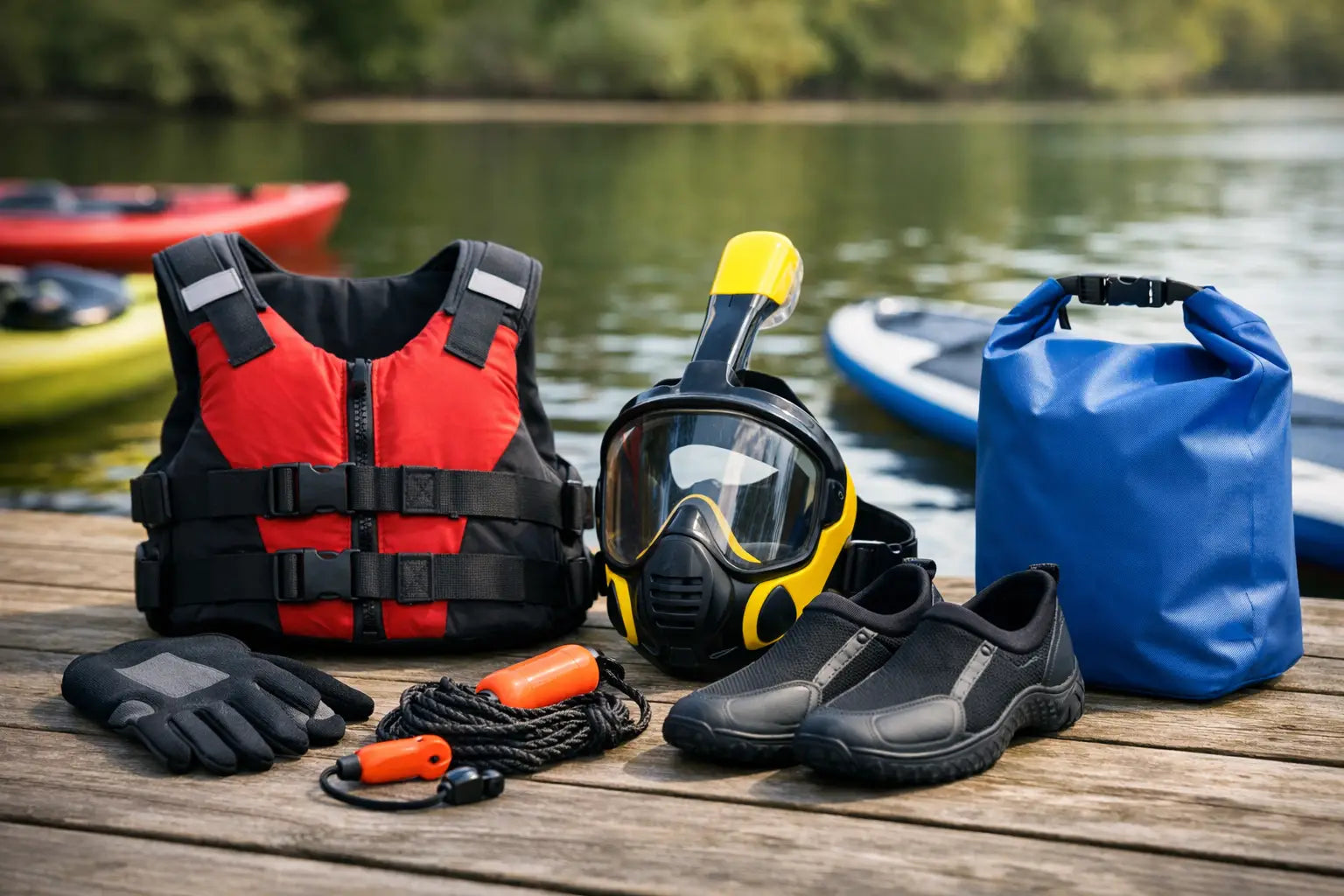
A life jacket only works when it fits and gets worn. That sounds obvious, but loose straps, old foam, and jackets left in a dry bag are common weak points on the water.
Try a PFD on before the trip. Tighten all straps, then have the wearer raise their arms or gently pull upward at the shoulder straps. If the vest rides up around the ears, it needs adjustment or a smaller size. For children, the jacket should fit snugly and include the features appropriate for their age and water activity.
Also check the label. A wakeboard impact vest may be comfortable for riding, but it is not automatically a Coast Guard-approved life jacket. Use an approved PFD whenever regulations require it and whenever the conditions call for real flotation support. Comfort matters because people are more likely to keep comfortable gear on, but flotation performance comes first.
The core list covers most outings, but each watersport creates its own hazards. Build around the activity rather than buying a one-size-fits-all kit.
Paddlers need gear that helps them stay visible, recover after a capsize, and get back to shore when conditions shift. A paddle leash can be useful for some setups, although it should never create an entanglement risk. A bright PFD, whistle, and waterproof light are smart basics for low-light conditions.
For longer paddles, bring a bilge pump or bailer, a paddle float if appropriate for your craft, and a dry bag stocked with warm layers. Cold water can drain strength quickly, even when the air feels comfortable. Dress for water temperature, not just the forecast on land.
Stand-up paddleboarders should use the right leash for the environment. A standard ankle leash is commonly used in open water, while moving water may require a quick-release system that can be detached under load. When in doubt, ask a local outfitter or waterway authority about conditions and local practices.
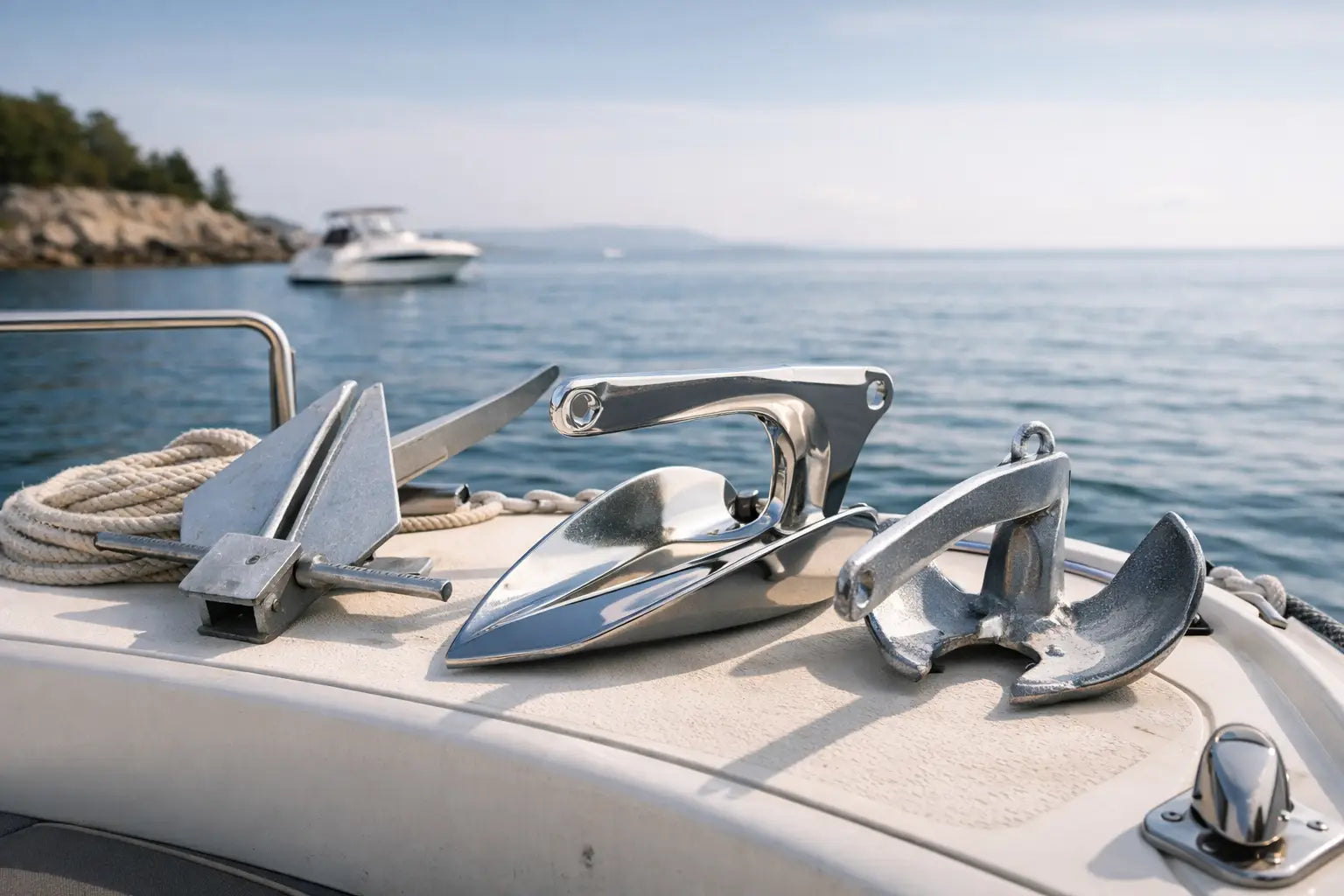
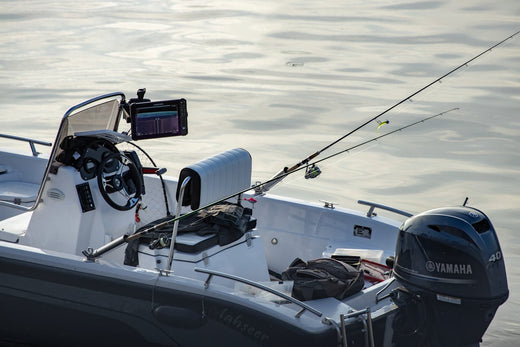
Powered boats need more than personal gear. Check that navigation lights, horn or whistle, anchor, dock lines, and fire extinguisher are present and in working order. Required equipment varies by vessel type, length, and where you operate, so confirm the rules for your state and waterway before departure.
A waterproof flashlight, extra batteries, basic tool kit, spare drain plug, and emergency paddle can save a day when a minor issue develops far from the ramp. For fishing trips, organize hooks, knives, and pliers in secure storage. A lure on the deck or a loose fillet knife becomes a real hazard once the boat starts moving.
Fuel awareness matters too. Check fuel levels before launching, watch for leaks, and make sure the operator understands the route, no-wake areas, and changing weather. The best emergency gear is still a poor substitute for good judgment at the dock.
Tow sports add speed, rope tension, and the possibility of a hard fall. Riders should wear a properly fitted approved PFD, and a watersports helmet is a worthwhile addition for wakeboarding, cable riding, and other higher-impact use. Inspect tow ropes, handles, and attachment points before every session. Retire gear with frayed lines, damaged stitching, cracked handles, or worn webbing.
Every tow boat needs a dedicated observer who watches the rider while the driver watches the water ahead. Agree on hand signals before the first pull, especially stop, slow down, speed up, and return-to-dock signals. Keep a bright flag ready where required to alert nearby boaters when a rider is down.
Never wrap a tow rope around a hand, wrist, or body part. Keep the rope clear of propellers, swimmers, and sharp edges, and shut off the engine when people are boarding from the water near the stern.
Personal watercraft are quick, fun, and less forgiving than they look. In addition to approved PFDs, riders should wear eye protection and footwear that stays on in the water. A whistle, waterproof phone case, and compact first-aid kit are easy additions that can make a big difference after a breakdown or unexpected separation from the group.
Know how the craft handles when you release the throttle. Many personal watercraft need throttle input to steer effectively, which is a major reason riders should practice turns and emergency maneuvers in an open area before riding in traffic.
A warm morning does not guarantee a calm afternoon. Check wind, water temperature, storm timing, and local advisories before you load the vehicle. If thunderstorms, strong winds, fog, or cold water are expected, change the plan early instead of trying to outlast the conditions.
Store safety items where you can reach them fast. PFDs should not be sealed under coolers. Keep communications, first aid, and throwable devices in known locations, and tell everyone aboard where they are. On a larger boat, assign simple roles: who calls for help, who retrieves the throwable, and who keeps eyes on a person in the water.
Before launching, inspect your gear for cracked buckles, weak zippers, dead batteries, waterlogged foam, and damaged straps. Rinse equipment after saltwater use and let it dry fully before storing it. That routine protects your investment and helps prevent the unpleasant surprise of finding failed gear on the next trip.
The right gear does more than prepare you for trouble. It lets beginners relax, gives parents more confidence, and helps experienced crews push farther with a better margin for changing conditions. Build your kit around the water activities you actually enjoy, replace worn essentials before the season starts, and keep the must-have items ready to grab. Then get outside more and make the most of every mile on the water.